The Great Accessibility Pivot
The luxury sector is currently undergoing a fundamental reconfiguration. For decades, the industry relied on an aura of exclusion, where the barrier to entry was a steep price tag and an implicit understanding of social hierarchy. However, as we move through the summer of 2026, a new reality has set in. High-end brands are no longer just selling products; they are slicing their offerings into smaller, more digestible, and more affordable experiences. This shift, which we can call the sachetization of luxury, is a direct response to a generation that craves the prestige of high-end brands but lacks the liquid capital to engage with them in traditional formats.
Why now? The catalyst is a collision of financial insecurity and a psychological shift in how Gen Z views consumption. According to recent data from The Harris Poll and Allison Worldwide, Gen Z is effectively being priced out of its own social life at a foundational level. This isn't just about skipping a few dinners; it is a systemic inability to afford the traditional markers of adulthood and social participation. When the traditional luxury entry point—a four-figure handbag or a week-long resort stay—becomes an impossibility, the brand must move the entry point closer to the consumer's current reality.
"Gen Z is a generation that has been priced out of its own social life at a foundational level."— Osiecki, via MediaPost
This financial pressure has created a void that savvy brands are filling with low-pressure, affordable alternatives. The goal is to maintain the brand's aspiration while removing the friction of the price tag. We see this manifesting as a pivot toward wellness and health-centric luxury, where the value proposition shifts from outward status to internal well-being. It is a strategic move from the macro-purchase to the micro-dose, allowing the consumer to feel the prestige of the brand without the crushing weight of the investment.
But the pivot isn't just about price—it is about where these consumers actually spend their time and attention.
The Digital Playground and the Attention Gap
If you want to find Gen Z, you have to look where they are hiding from the financial stress of the physical world. The data is staggering: gaming has evolved into one of the largest attention channels on the planet, boasting more than two billion gamers globally. Yet, the luxury industry's investment in this space remains an afterthought. As reported by The Drum, only 5% of global advertising budgets are currently allocated to gaming. This represents a massive delta between where the audience lives and where the brands are spending their money.
The Luxury Attention Gap: User Base vs. Budget Allocation
Executive Insight
+18.4%
YTD Growth
For a generation that is increasingly lonely—with 51% of Gen Z reporting they feel lonely on weekends—gaming isn't a hobby; it is a social lifeline. With 65% of these young adults connecting more through their phones than in person, the sachetization of luxury is moving into the virtual realm. Instead of a physical boutique, the brand exists as a digital skin or a limited-edition virtual accessory. These are the new sachets: low-cost, high-visibility digital assets that provide the same psychological hit of luxury as a physical product, but at a fraction of the cost and effort.
Is the industry waking up? Slowly. But the brands that win will be those that stop chasing yesterday's habits. The shift from physical exclusivity to digital inclusivity is not a dilution of the brand; it is an adaptation to the new architecture of social interaction. When the physical world becomes too expensive to navigate, the digital world becomes the primary site of status signaling.
While the digital shift captures the mind, the physical pivot is redefining the very nature of luxury destinations.
Experiential Ecosystems: From Rooms to Restaurants
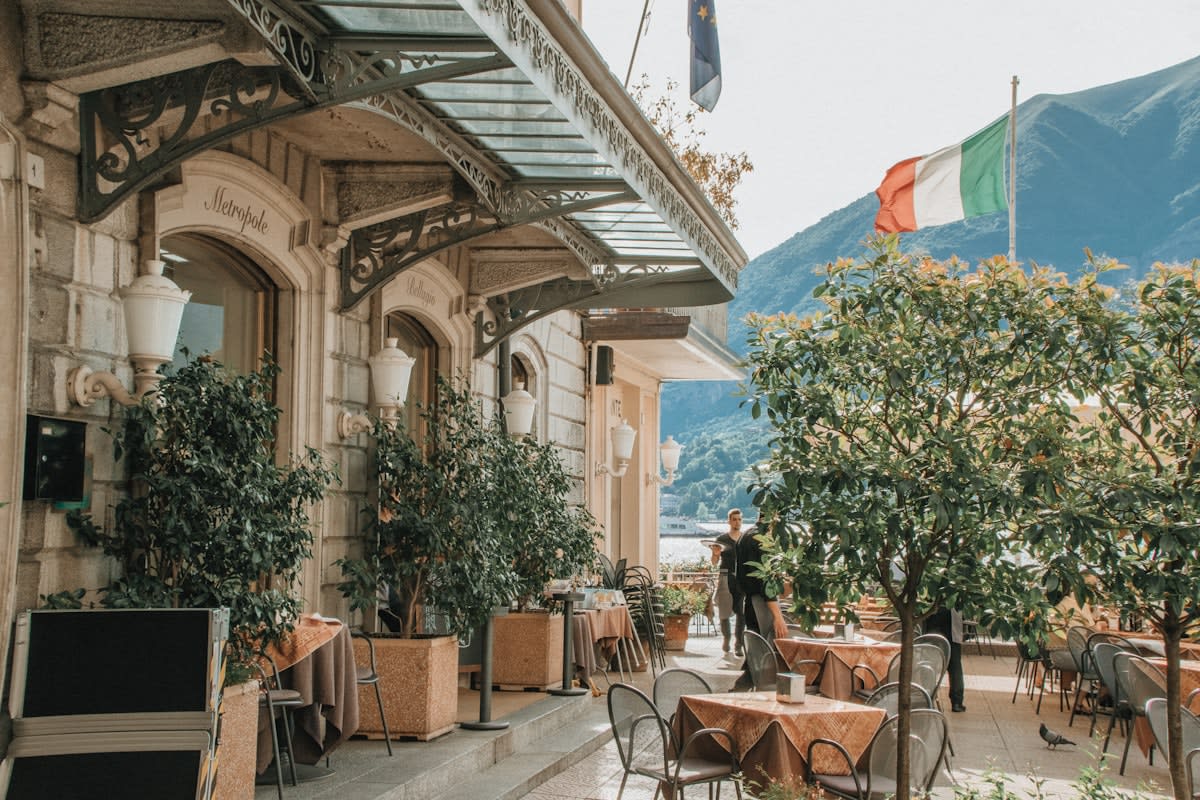
Look at the luxury hotel sector in Italy. The traditional model was accommodation-led: you paid for the room, and the amenities followed. Today, that model is being inverted. Luxury hospitality is evolving into an integrated experiential ecosystem where Food and Beverage (F&B) takes center stage. By emphasizing the gastronomic experience, hotels are creating entry points for consumers who cannot afford a full stay but can afford a high-end lunch or a curated cocktail. This is sachetization in its purest physical form—offering a taste of the brand's luxury without requiring a full-scale financial commitment.
Similar logic is playing out in Macao. The city is aggressively diversifying its casino-led economy, with operators like Sands Shoppes Macao transforming into luxury retail destinations. The goal is to move beyond the gamble and toward a lifestyle destination. By integrating retail into a broader experience, they are capturing a wider demographic of shoppers who are swapping the traditional pursuit of sustainable luxury for a focus on health and wellness. The experience itself becomes the product, sliced into various levels of accessibility.
Then there is the fragrance sector. Kayali's recent launch of an Old Hollywood-inspired experience in Dallas highlights a broader trend in beauty packaging. The industry is moving away from just selling a bottle of perfume to selling a sensory event. By creating immersive, shareable experiences, brands are tapping into the Gen Z desire for low-pressure social interactions that are highly aesthetic and digitally shareable. They aren't just selling a scent; they are selling a micro-moment of glamour.
| Feature | Traditional Luxury Model | Sachetized Luxury Model |
|---|---|---|
| Entry Point | High-ticket item/Full stay | Micro-experience/F&B/Digital asset |
| Consumer Driver | Exclusivity & Status | Accessibility & Wellness |
| Primary Channel | Flagship Boutiques | Gaming/Pop-ups/Experiential Hubs |
| Social Context | High-pressure exclusivity | Low-pressure social connectivity |
This evolution is not merely a marketing tactic; it is a survival strategy in a volatile economic climate.
The Delta: 2025 vs. 2026
Twelve months ago, the conversation around Gen Z and luxury was focused on sustainability and ethics. The narrative was that this generation would reject luxury altogether in favor of conscious consumption. But the data from 2026 tells a different story. The desire for luxury hasn't vanished; it has mutated. The focus has shifted from the sustainability of the product to the health and wellness of the consumer. The 'delta' here is the move from ideological rejection to pragmatic adaptation.
The Core Insight
The modern luxury consumer isn't looking for a lifelong investment; they are looking for a low-pressure way to feel connected to a world they've been priced out of.
We are seeing a transition from the 'Ownership Era' to the 'Access Era.' Where a millennial might have saved for a year to buy a signature piece, a Gen Z consumer is more likely to spend smaller amounts more frequently on experiences that provide immediate social currency. Whether it is a high-end fragrance experience in Dallas or a luxury dinner in an Italian hotel, the value is in the access, not the ownership.
Ultimately, the sachetization of luxury is an act of resilience. By lowering the barrier to entry, brands are building long-term loyalty with a generation that is currently financially constrained but will eventually hold the majority of global purchasing power. The brands that refuse to slice their offerings—those that cling to the old walls of exclusivity—risk becoming relics in a world where luxury is defined by the experience, not the price tag.