
E-waste hides immense wealth. 55% growth in bank financing for tropical mining reflects a desperate search for raw minerals (Source: Banking on Biodiversity Collapse 2026). 36.7bn dollars in bank funding flowed into forest-rich regions by 2025, illustrating the high cost of traditional extraction (Source: Banking on Biodiversity Collapse 2026). Mumbai operators now look toward urban deposits to bypass these ecological risks and financial volatility. Reclaiming materials from discarded tech offers a way to secure supply chains without destroying rainforests.
Prerequisites for Urban Recovery
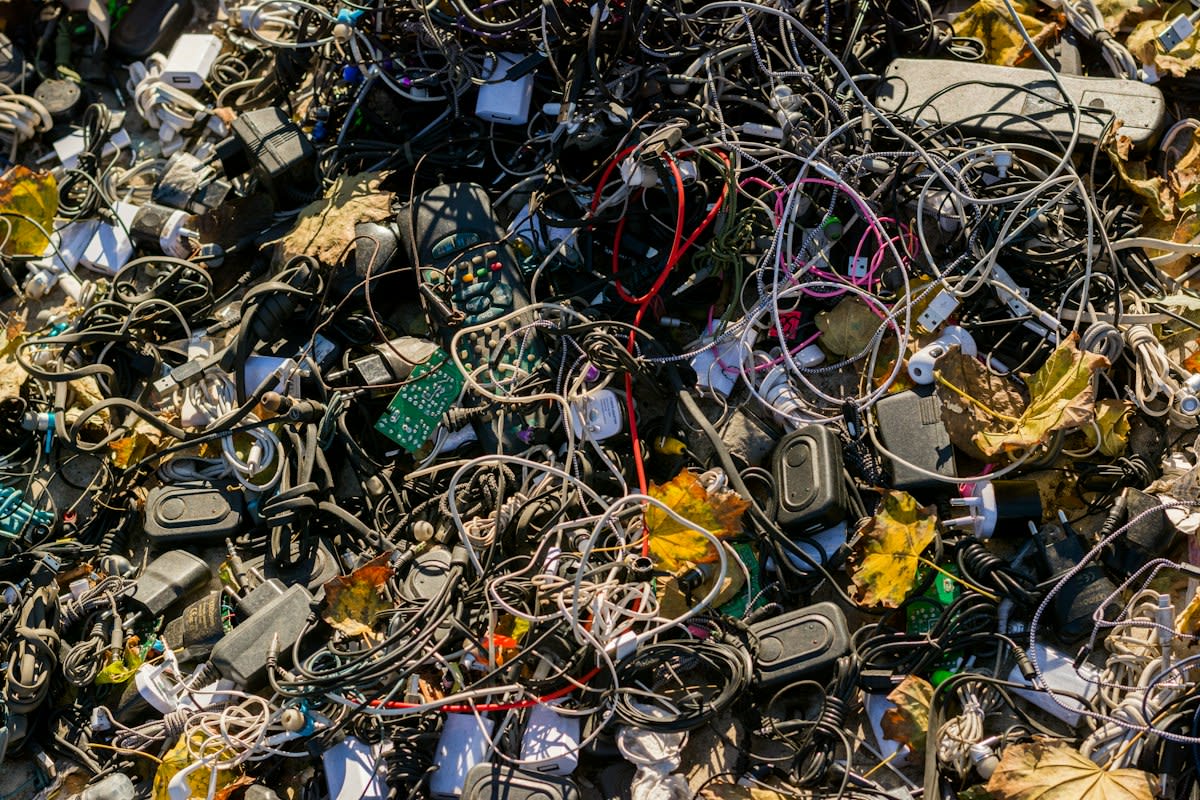
Recovery efforts require specific chemical and mechanical tools to be effective. Metal-Organic Frameworks (MOFs) serve as the primary adsorbent for capturing rare earth elements (REEs) from liquid waste. Operators must secure access to alkaline wastewater with a pH of approximately 8.5 to optimize these frameworks. E-waste samples, specifically broken camera lenses, earphones, and old smartphones, provide the raw feedstock for mineral extraction. Access to high-energy heating equipment, such as flash Joule heating systems, is necessary for treating bauxite residues.
Operational Recovery Steps
- Collect discarded electronics including aging data center hard drives and servers to secure copper, aluminum, and gold (Source: Newsweek, 2026).
- Isolate rare earth magnets from non-functional components using mechanical separation.
- Apply MOF adsorbents to sulfur-thick wastewater to capture dissolved REEs under controlled alkaline conditions (Source: Chemeurope, 2026).
- Use flash Joule heating with chlorination to remove iron and heavy metals from bauxite residues (Source: Nature Chemical Engineering, 2025).
- Execute simultaneous antimony recovery and debromination on flame-retardant plastics found in e-waste (Source: Nature Chemical Engineering, 2026).
- Refine the captured minerals for use in batteries, optics, and superconductivity applications.
Mumbai scrap yards often struggle with the friction between traditional smelting and these new chemical methods. Local operators argue that the speed of traditional burning outweighs the precision of MOF adsorbents, despite the toxicity. Engineers from institutions like IIT Gandhinagar push for the National Critical Mineral Mission standards to replace crude methods. This tension creates a gap where high-value minerals are often lost to slag during inefficient processing. Implementing these steps requires a move toward formalized recycling centers.
The Economics of Extraction
Financial incentives for urban mining are driven by the soaring costs of traditional mining and energy. 363bn dollars in commercial credit was tracked to mining companies in forest-rich regions over the last decade (Source: Banking on Biodiversity Collapse 2026). Copper financing alone rose 42% from 14.5bn dollars in 2016 to 20.6bn dollars in 2025 (Source: Banking on Biodiversity Collapse 2026). These figures highlight the massive capital requirements and risks associated with terrestrial mining. Urban recovery reduces the reliance on these volatile credit markets.
| Metric | Industrial Mining (Avg) | Italy Market (Oct 2026) |
|---|---|---|
| Electricity Cost per MWh | $48 | €232.41 |
| Cost Difference | Baseline | ~440% Higher |
Energy costs further complicate the profitability of mineral processing. Italy's electricity price reached €232.41 per MWh on October 17, 2026 (Source: Cryptopolitan, 2026). This is significantly higher than the $48 per MWh average cost for industrial mining firms (Source: Cryptopolitan, 2026). High energy prices make the efficient, low-heat recovery of minerals from e-waste more attractive. Reducing the energy footprint of mineral acquisition is a central goal for the industry through 2050 (Source: Mining.com, 2026).
Growth in Copper Mining Finance (2016-2025)
Executive Insight
+18.4%
YTD Growth
National security interests now drive the adoption of urban mining in the West. America's aging data centers are identified as massive sources of critical materials (Source: Newsweek, 2026). These facilities contain rare earths in hard drives and other components that are essential for modern technology. Securing these materials domestically removes the dependence on foreign supply chains. This shift turns electronic waste from an environmental burden into a strategic reserve.
"Mining companies, policymakers and investors need to build resilience and create value in an uncertain future to meet growing demand while decreasing environmental impact."— Systemic and ERM Report, in collaboration with ICMM
India's approach combines academic research with state incentives. The Critical Mineral Recycling Incentive Scheme aims to build domestic capacity for producing minerals from secondary sources (Source: Chemeurope, 2026). This includes the recovery of REEs from turbid, alkaline wastewater and e-waste-derived samples. By partnering with institutions like IIT (ISM) Dhanbad, the government seeks to standardize the recovery of cobalt and lithium. These efforts ensure that the materials needed for the green transition are not lost to landfills.
Failure Points in Urban Recovery
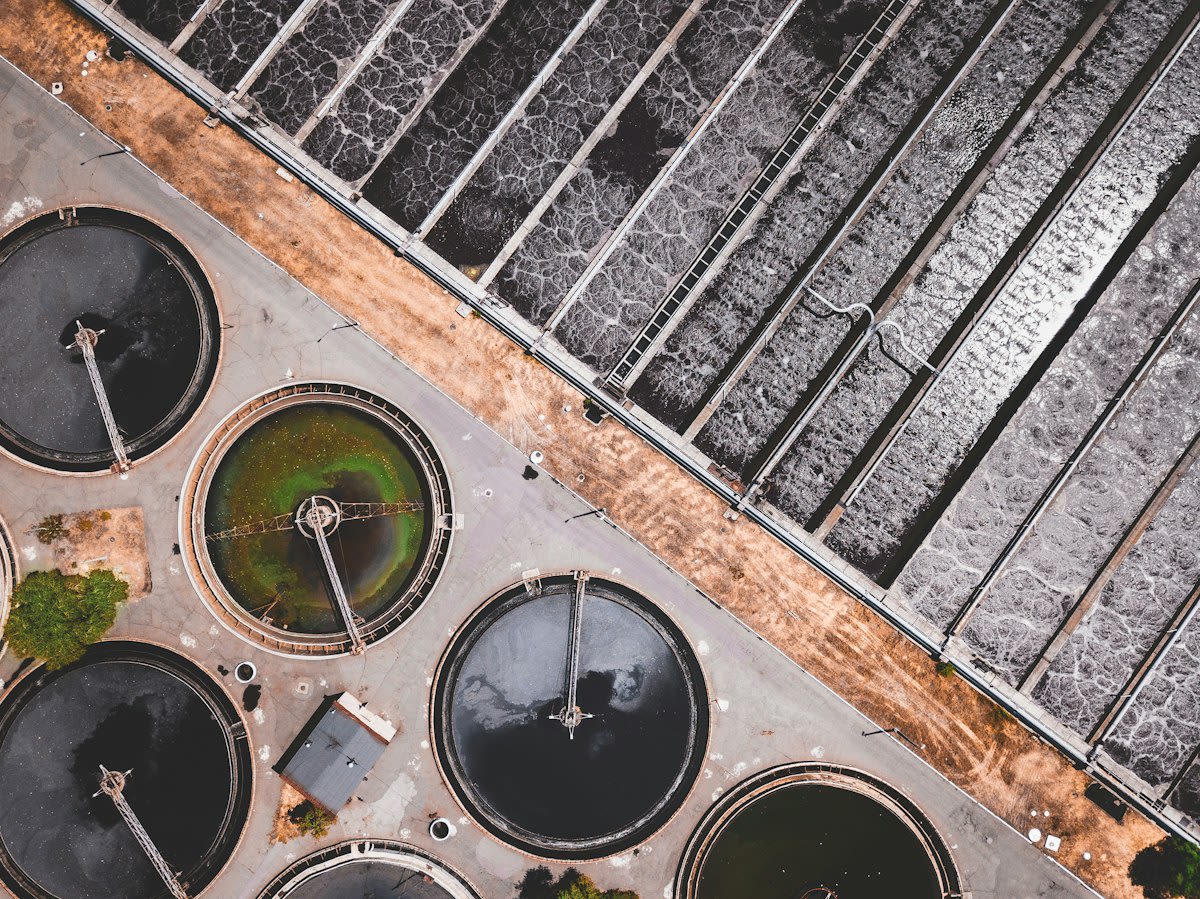
Inefficient sorting remains the primary reason for recovery failure. Many operators fail to isolate flame-retardant plastics before processing, leading to toxic emissions and contaminated mineral yields. Another common error is the failure to maintain the precise pH balance required for MOF adsorbents to function. If the wastewater is too acidic, the rare earth elements will not bind to the framework. This results in the loss of high-value materials into the waste stream.
Scale is another significant hurdle for urban mining operations. While laboratory results from Nature Chemical Engineering show success in antimony recovery, scaling these to an industrial level is difficult (Source: Nature Chemical Engineering, 2026). Many facilities lack the capital to move beyond small-batch processing. This leaves them unable to compete with the volume of materials provided by traditional, albeit destructive, mining. Without significant investment, urban mining remains a niche activity.
Common Pitfalls
- Overlooking the value of aging data center hardware in favor of consumer electronics.
- Ignoring the need for debromination in flame-retardant plastic recovery.
- Underestimating the energy costs of refining recovered minerals compared to raw extraction.
- Using generic adsorbents instead of specialized MOFs for rare earth elements.
Fact-Check & Accuracy Note
Data points sourced from Banking on Biodiversity Collapse 2026, Nature Chemical Engineering 2025/2026, Cryptopolitan 2026, and Newsweek 2026. All financial figures are based on reported commercial credit and market prices as of October 2026.