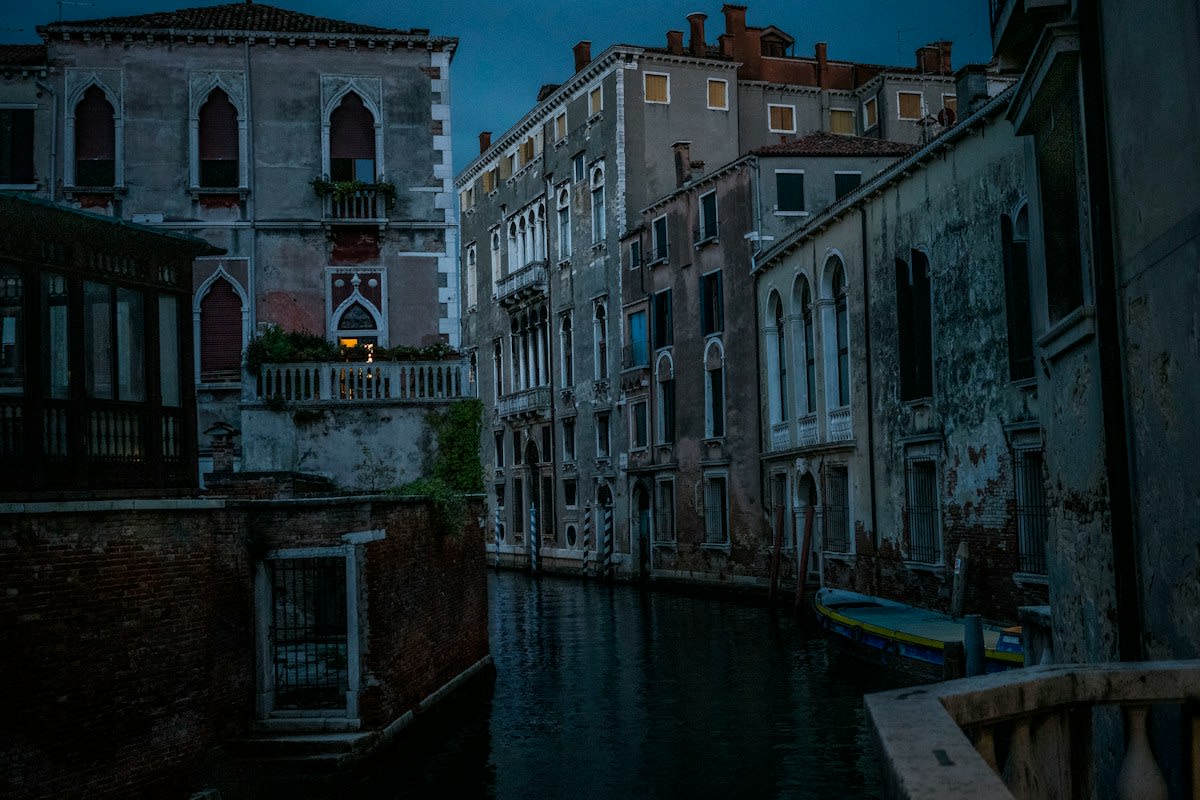
Venice is a toll road. While the city council claims the five-euro charge manages the flow of humans, the actual mechanical failure lies in the assumption that a small price tag deters a global middle class. Money rarely stops crowds. Rules are optional. Tourists from North America and Asia often view a five-euro entry fee as a mere novelty or a ticket to a theme park rather than a deterrent. The cost is negligible.
The Digital Gatekeeper
Access now requires codes. The city launched a QR-based reservation system in April 2024 that forces day-trippers to register and pay before stepping onto the historic island (Source: Comune di Venezia, 2024). This marks a hard turn. Twelve months ago, the city relied on hope and haphazard police presence to manage peak surges. Now, the administration uses a digital wall to filter the fray. The shift is absolute.
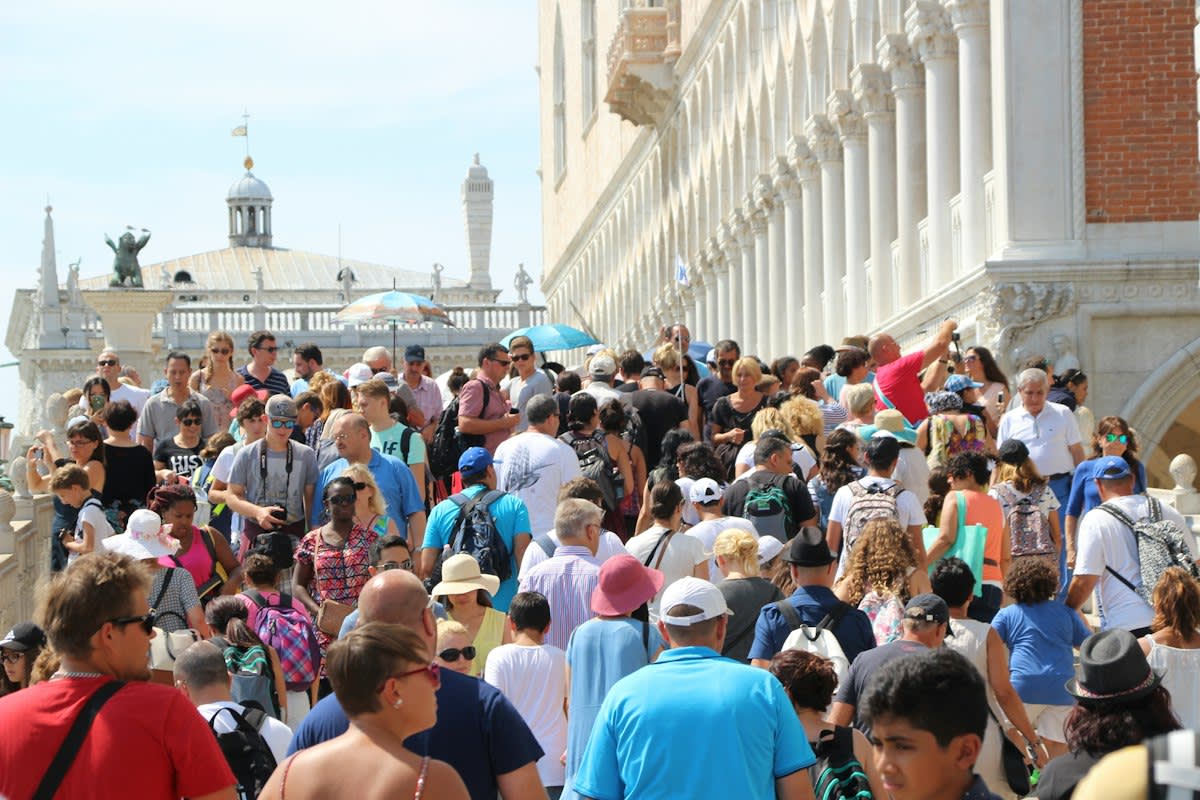
Does pricing work? If the goal is revenue, the five-euro fee represents a drop in the ocean compared to the city's broader economic needs. However, if the goal is behavioral modification, the city bets that the act of registration creates a psychological barrier. This bet is risky. Most visitors find the registration process a minor annoyance rather than a reason to cancel a trip. The crowd remains.
"We are not closing the city, but we are trying to manage the flow of people to ensure that the city remains livable for those who actually reside here."— Luigi Brugnaro, Mayor of Venice
The delta is clear. In 2023, Venice operated as a free-entry museum with no mechanism to cap the daily volume of non-overnight visitors. By mid-2024, the city established a specific calendar of peak dates where the fee is mandatory (Source: Venice Access Fee Portal, 2024). This change transforms the visitor from a guest into a ticket-holder. The relationship has changed. The city now treats its streets as a managed asset.
The Global Terrain of Access
Venice is not alone. Bhutan pioneered this model by implementing a Sustainable Development Fee of 100 dollars per day for most international tourists (Source: Department of Tourism Bhutan, 2023). This is aggressive. While Venice asks for a handful of coins, Bhutan demands a significant investment to ensure high-value, low-impact travel. The strategy works there. The kingdom effectively limits the number of visitors to protect its cultural web.
Bali follows a similar path. The Indonesian province introduced a 150,000 IDR tourist tax in early 2024 to fund waste management and cultural preservation (Source: Bali Provincial Government, 2024). This tax targets the infrastructure. It acknowledges that mass tourism creates a physical weight that local budgets cannot support. The money flows into the ground. It funds the cleaning of beaches and the repair of roads.
| Location | Fee Amount | Primary Goal | Implementation Year |
|---|---|---|---|
| Venice | 5 EUR | Crowd Control | 2024 |
| Bhutan | 100 USD/Day | High Value/Low Impact | 2023 |
| Bali | 150k IDR | Infrastructure | 2024 |
The patterns are repeating. Cities across Asia and Europe now realize that free access is a liability in an era of cheap flights and social media trends. They are moving toward a gated default. This transition separates the casual day-tripper from the committed traveler. The divide is growing. Access is becoming a luxury good.
The Ground-Level Clash
The implementation fails daily. Ground staff at the Piazzale Roma and the train station face a constant stream of confused visitors who believe the fee is a scam. This is a mechanical failure. The digital interface of the registration portal often clashes with the physical reality of a tourist who just stepped off a boat without Wi-Fi. Arguments erupt frequently. The staff lacks the tools to resolve disputes quickly during peak surges.
Internal disputes rage. Some city officials argue that the fee is too low to actually reduce numbers, while others fear that any price increase will alienate the very people who fuel the local economy. This is a fight over identity. Do they want a living city or a curated exhibit? The answer remains elusive. The administration continues to tweak the dates and the prices.
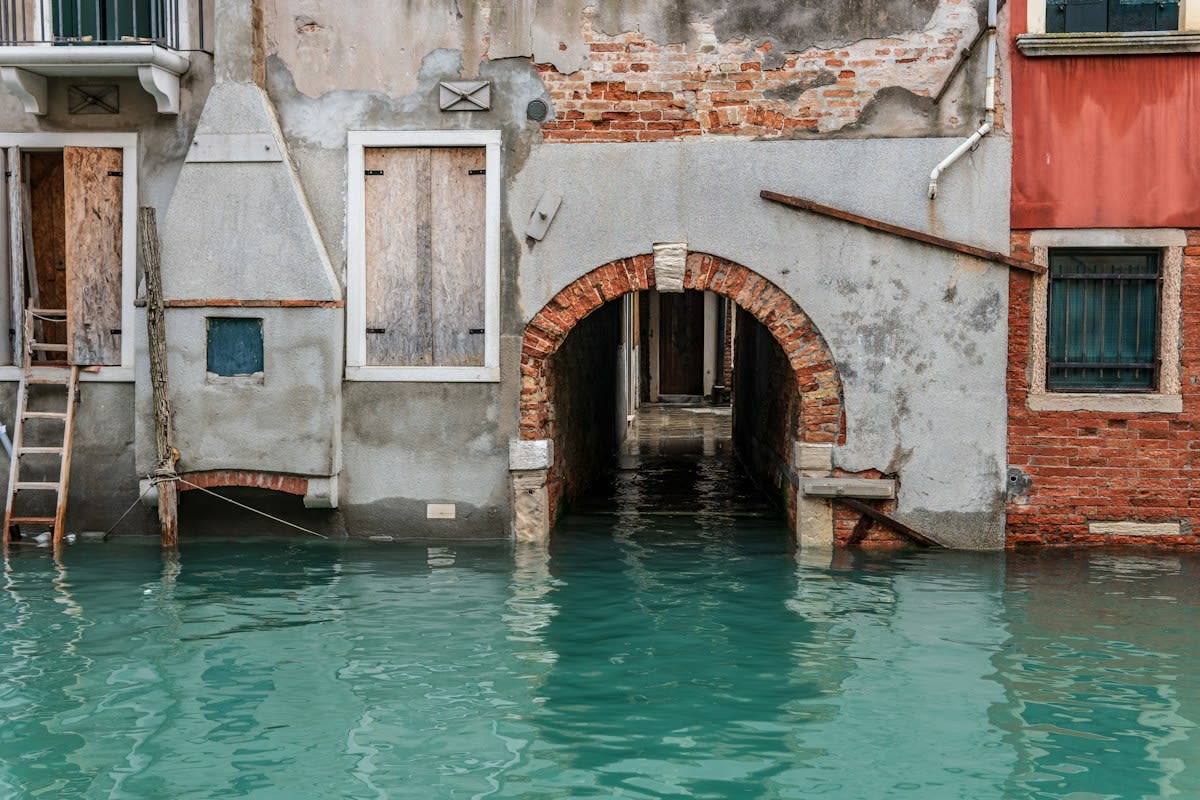
The system is leaky. Many tourists simply avoid the designated checkpoints or enter through side alleys that the city cannot possibly monitor. This creates a shadow flow. The administration tracks the QR codes but ignores the thousands who slip through the cracks. The data is skewed. The city believes it has control, but the reality is far more chaotic.
Comparison of Tourist Access Costs (USD Equivalents)
Executive Insight
+18.4%
YTD Growth
Revenue is secondary. The city uses the fee as a data-collection tool to understand exactly when and where people enter the city. This intelligence allows them to deploy police more effectively. It is a surveillance play. The fee is the price the tourist pays for the city to track their movement. The trade is implicit.
Will it hold? The five-euro experiment is a test case for other European hubs like Amsterdam or Barcelona. If Venice proves that a small fee can manage the weight of the crowds, expect a wave of similar tolls. The era of the open city is ending. We are entering the age of the ticketed destination. The gate is closing.
Fact-Check & Accuracy Note
The Venice entry fee is currently applied only to day-trippers on specific high-traffic dates. Overnight guests and residents are exempt. Academic debate persists regarding whether the fee actually reduces visitor numbers or simply monetizes an existing demand. Sources include the Comune di Venezia official portal and the 2023 Bhutan Tourism Report.