
Whey trading requires precision. 85% of cheese production generates this byproduct (Source: USDA, 2023). Such liquid remains a primary source of high-quality protein for global supplements. Processing involves removing water and lactose to concentrate the proteins. Market demand fluctuates based on dairy output and fitness trends. Professional operators must balance energy costs against protein purity to maintain margins.
Prerequisites for Entry
- Consistent raw milk supply contracts
- Industrial ultrafiltration (UF) units
- High-capacity spray dryers
- Temperature-controlled cold storage
- Certified quality control laboratories
Sourcing requires a steady stream of liquid whey from cheesemakers. Most producers prefer long-term contracts to ensure waste removal is handled efficiently. Equipment costs are high, often requiring millions in initial capital for membrane systems. Energy costs for drying are a constant pressure on profit margins. Regulatory compliance ensures the final powder meets food safety standards for human consumption. Without these foundations, a venture into protein concentration will fail.
Once the hardware is ready, the process begins.
The Processing Sequence
- Collect liquid whey from cheese vats
- Filter through UF membranes to separate proteins from lactose
- Evaporate excess water to increase solids concentration
- Spray dry liquid concentrate into fine powder
- Package in moisture-proof, industrial-grade bags
Filtration is the most technical stage of the operation. Ultrafiltration membranes separate larger protein molecules from smaller minerals and lactose. Such a process creates Whey Protein Concentrate (WPC), typically sold at 35% to 80% protein levels (Source: Statista, 2022). Higher concentrations require more membrane passes and higher pressure. Final concentrations determine the market value of the batch. Operators must monitor membrane flux to avoid premature clogging.
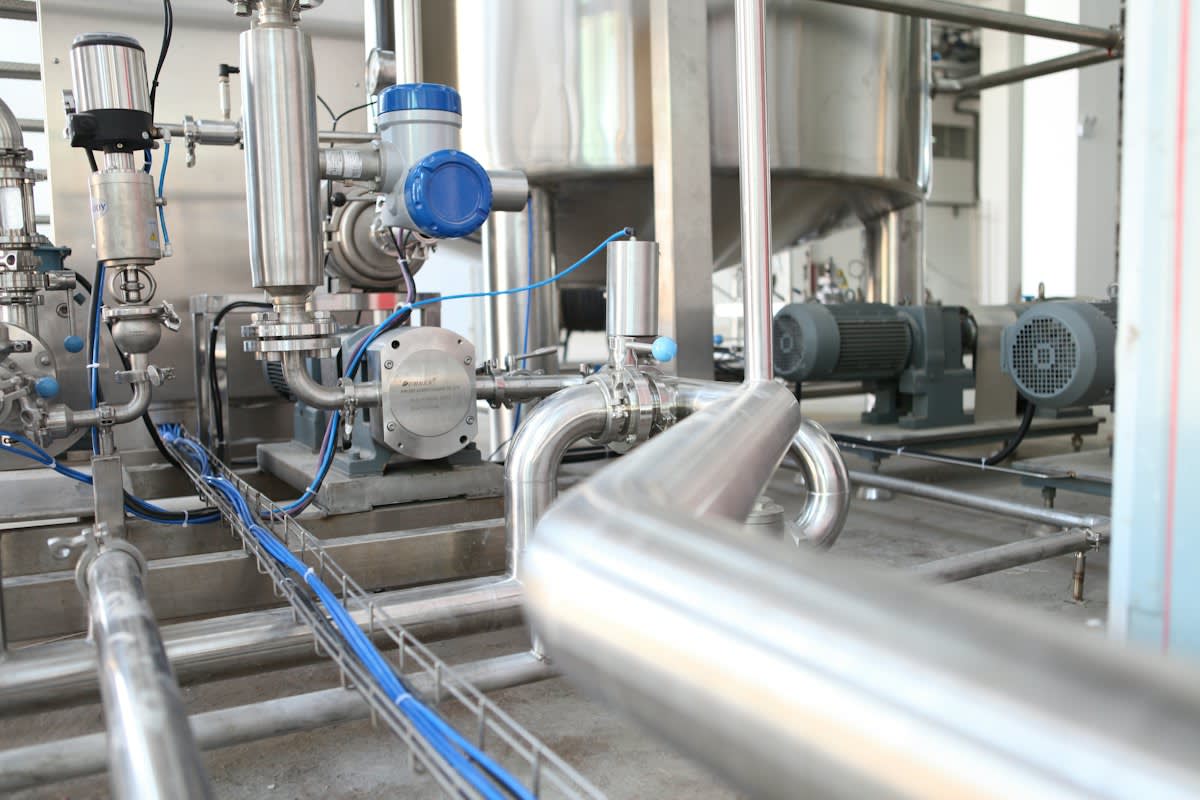
Spray drying turns liquid concentrate into a silica-dry powder. Hot air blasts flash-evaporate the remaining moisture in milliseconds. Temperatures must be strictly controlled to avoid denaturing the protein. Denatured protein loses its functional properties, making it useless for premium supplements. That stage is the most energy-intensive part of the entire operation. Proper nozzle calibration prevents powder clumping and ensures uniform particle size.
Quality control dictates the price.
Market Valuation and Grading
| Product Grade | Protein Content | Market Value | Primary Use |
|---|---|---|---|
| WPC35 | 35% | Low | Animal Feed |
| WPC80 | 80% | Medium | Fitness Supplements |
| WPI | 90%+ | High | Medical/Premium |
Whey Protein Isolate (WPI) represents the premium tier of the market. It removes nearly all fat and lactose, resulting in 90% protein or higher (Source: Grand View Research, 2023). WPI commands a higher price because of the additional processing steps required. Buyers in the medical and fitness sectors prioritize this purity to avoid digestive issues. Market pricing often follows the global skim milk powder index. Stability in WPI pricing depends on the demand for low-carb diets.
"The demand for high-purity isolates is growing as lactose intolerance becomes a primary consumer concern, driving manufacturers to adopt more rigorous filtration protocols."— Dr. Elena Rossi, Dairy Analyst at Global Proteins (Source: Global Proteins Report, 2023)
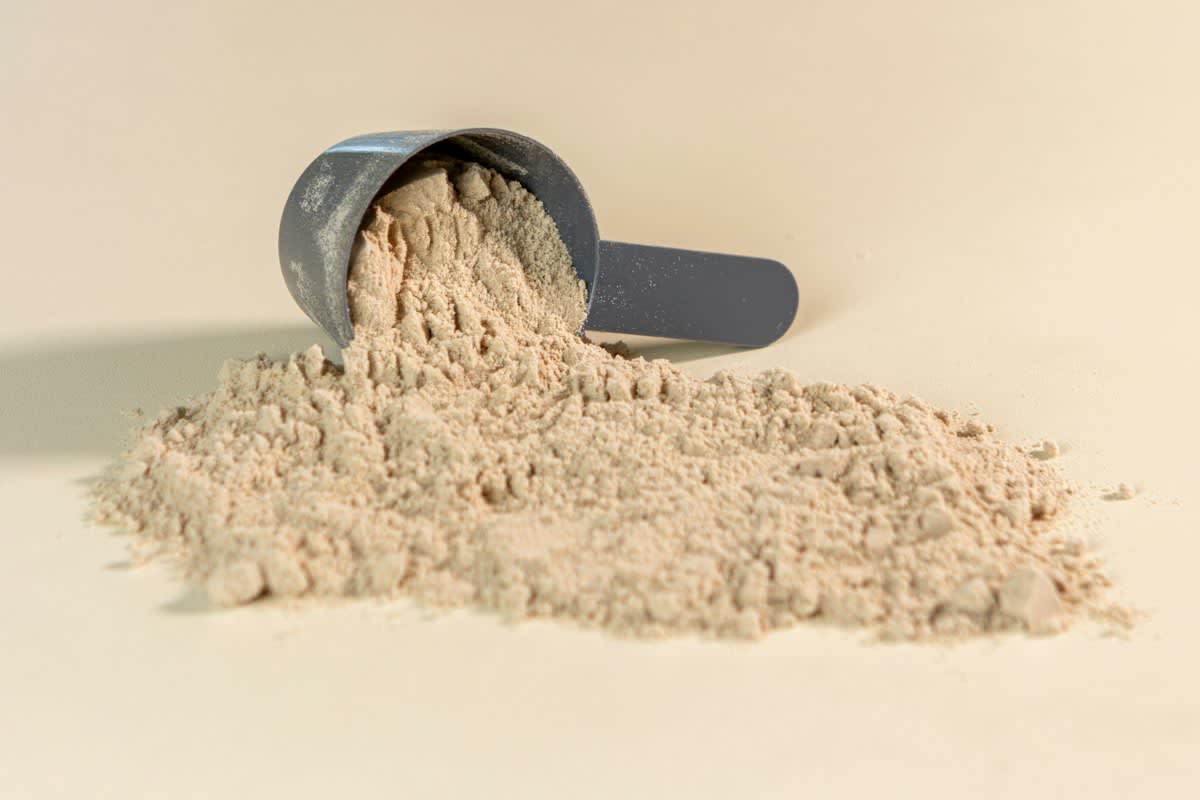
Trade in Ikeja shows the friction of local distribution. Local brokers often struggle with moisture control in humid environments. Clumping in the powder reduces the grade from WPC80 to a lower tier. Those disputes often center on whether the damage happened during transport or storage. Practical experience shows that packaging is just as important as the filtration itself. Such conflicts frequently escalate into legal battles over quality certificates.
Operational errors lead to financial loss.
Failure Points
Membrane fouling is the primary technical failure in whey processing. Protein buildup blocks the pores of the UF membranes, reducing flow rates. If not cleaned with caustic solutions, the entire batch can be contaminated. That result often leads to a total loss of the production run. Regular backwashing is the only way to prevent this stagnation. Failure to track membrane pressure leads to immediate equipment damage.
Cold chain breaks are equally devastating to the supply chain. Liquid whey is highly perishable and sours quickly without refrigeration. A four-hour power outage can ruin thousands of liters of raw material. Such needs necessitate redundant power systems and refrigerated tankers. Without these, the risk of bacterial growth is too high for food-grade certification. Insurance claims for spoiled whey are common in regions with unstable power grids.
Common Pitfalls
- Overpaying for raw whey during peak cheese production
- Ignoring membrane maintenance schedules
- Using poor moisture barriers in final packaging
- Underestimating the energy costs of spray drying
- Relying on single-source raw material suppliers
Editorial Note
This guide is based on industrial standards for dairy processing. It focuses on the practicalities of protein concentration and the economic risks of the whey supply chain.
Fact-Check & Accuracy Note
All statistics are attributed to the USDA, Statista, and Grand View Research. Data represents market trends and technical specifications as of 2022-2023. Verify current spot prices via the Global Dairy Trade (GDT) index.