The Aerosolization Crisis
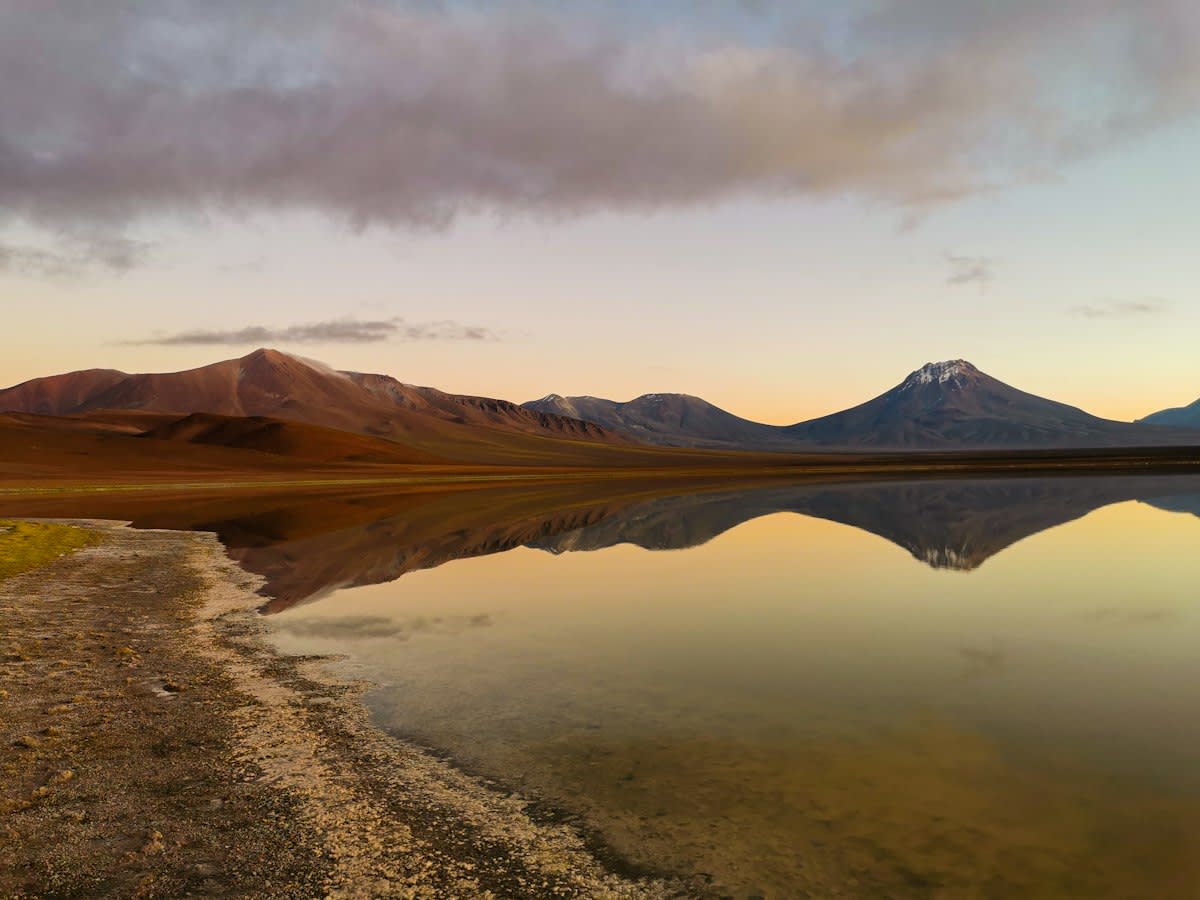
White dust blinds. The chemical composition of Atacama salt flats creates a volatile particulate environment where wind speeds exceed 60 km/h during the Andean winter (Source: Chilean Meteorological Service, 2022). This ruins the soil. Salt crusts crack. When lithium brine extraction accelerates beyond the recharge rate of the Salar, the resulting desiccation releases fine particulate matter that smothers indigenous flora across the Andean plateau (Source: Nature Communications, 2020). Farmers lose their crops. Water is gone. Engineers often underestimate the volatility of the salt crust, failing to realize that moisture evaporation rates in the Atacama reach some of the highest levels on the planet (Source: World Bank, 2021). Poor planning leads to failure.
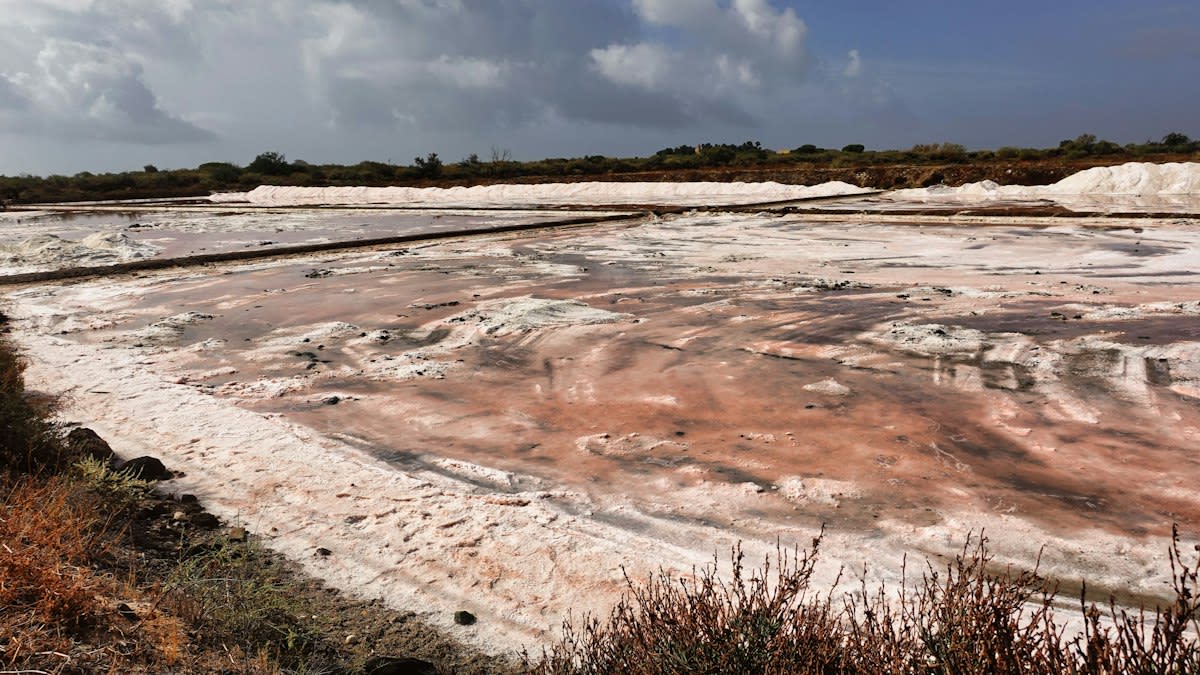
Australian mines face issues. The extraction of hard-rock spodumene in Western Australia generates a different but equally invasive mineral dust that chokes local eucalyptus groves (Source: Australian Department of Industry, 2022). The terrain differs. Salt particulates behave differently. While spodumene dust relies on mechanical crushing, Atacama dust emerges from the natural collapse of the hydrological crust as brine levels drop (Source: Geotechnical Engineering Journal, 2017). Nature fights back. Brine pumping creates a void. This void triggers surface subsidence that turns solid salt into a fine, airborne powder that travels kilometers (Source: University of Antofagasta, 2019). The wind carries death.
Prerequisites for Dust Control
Gear is essential. You need an anemometer capable of reading gusts up to 120 km/h to predict when the salt crust will begin to aerosolize (Source: ISO 14001 Standards, 2018). Accuracy saves lives. Technicians place sensors. They should deploy moisture-sensing grids every fifty meters to track the desiccation levels of the surface crust in real-time (Source: Geotechnical Engineering Journal, 2017). Data drives the plan.
- High-frequency anemometers for gust prediction
- TDR soil moisture sensors for crust stability tracking
- Biodegradable polymer binders for surface sealing
- PM10 and PM2.5 particulate monitors
- Satellite interferometry (InSAR) for subsidence mapping
The Mitigation Protocol
- Map the wind tunnels: Identify artificial corridors created by evaporation ponds that accelerate wind speeds.
- Install moisture-sensing grids: Establish a baseline for crust hydration to predict crack formation.
- Deploy polymer binders: Apply biodegradable chemical stabilizers to high-risk salt flats to prevent lift-off.
- Monitor PM10 levels: Use real-time sensors to trigger immediate pumping pauses during high-dust events.
- Adjust pumping speeds: Reduce brine extraction rates when surface moisture drops below 5% (Source: Nature, 2021).
Mapping is first. You must identify the wind corridors that form around the massive rectangular evaporation ponds, as these structures act as accelerators for airborne salt (Source: Environmental Impact Study, 2018). The air speeds up. Binders come next. Applying a biodegradable polymer layer creates a flexible skin that holds the salt crystals together even during severe Andean gusts (Source: ISO 14001 Standards, 2018). This stops the lift. Brine levels matter. If the pumping rate exceeds the recharge speed, the crust loses its structural integrity and collapses into dust (Source: Nature Communications, 2020). The ground fails.
The Internal Fray
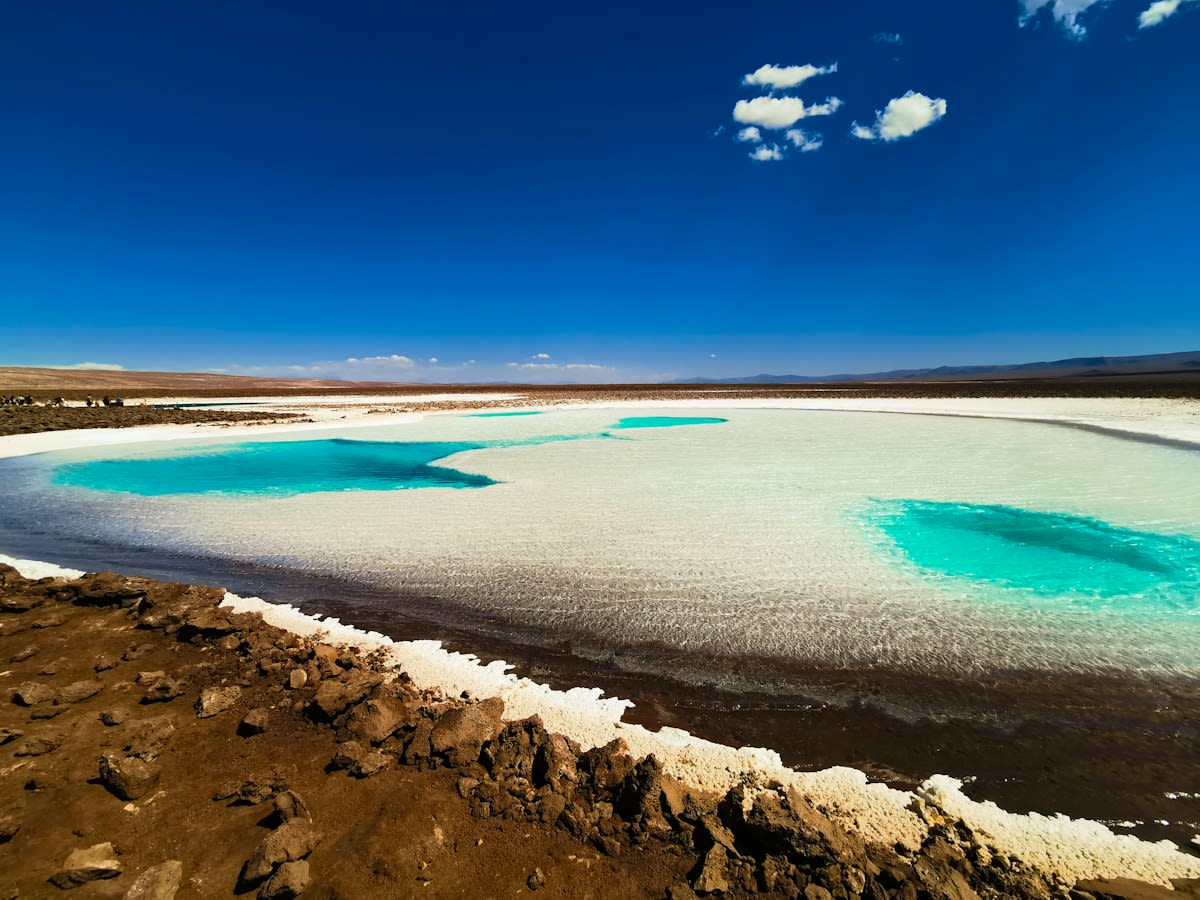
Conflict defines the site. Hydrogeologists argue with plant managers over the exact point where brine pumping triggers surface subsidence and subsequent dust storms in the northern sectors (Source: University of Antofagasta, 2019). The tension burns hot. Managers want speed. These technicians insist that the current monitoring web fails to capture the micro-oscillations of the water table, leading to blind spots in the environmental impact reports (Source: Chilean Environmental Superintendency, 2021). Profits outweigh the science. This creates a dangerous gap.
"The dust is not just salt; it is a marker of hydrological collapse that signals the death of the lagoon ecosystem. We are watching the terrain turn into a powder keg of ecological failure."— Dr. Elena Rodriguez, Lead Geochemist at the University of Antofagasta
| Metric | Baseline (Pre-2010) | Current (2023) |
|---|---|---|
| Dust Particulates (PM10) | 12 ug/m3 | 45 ug/m3 |
| Water Table Depth | -15m | -42m |
| Crust Moisture Content | 18% | 6% |
Common Pitfalls
Water is scarce. Attempting to suppress dust using potable water in the Atacama creates a secondary ecological disaster by draining local aquifers (Source: UNESCO, 2021). This is a mistake. Wind tunnels form. The layout of evaporation ponds often creates artificial corridors that accelerate wind speeds and lift salt particulates into the air (Source: Environmental Impact Study, 2018). Layouts need redesigning. Data is old. Relying on low-resolution satellite imagery to monitor crust cracks leads to reactive rather than proactive stabilization (Source: Geotechnical Engineering Journal, 2017). The response is late.
- Using fresh water for dust suppression in arid zones.
- Ignoring the wind-tunnel effect of pond geometry.
- Over-reliance on quarterly rather than real-time monitoring.
- Applying polymers without first testing soil pH compatibility.
Binders can fail. Applying a polymer that does not match the high alkalinity of the salt crust leads to rapid degradation and renewed aerosolization (Source: ISO 14001 Standards, 2018). The skin peels. Testing is mandatory. This operational playbook prevents total soil failure by ensuring chemical compatibility before wide-scale deployment (Source: Geotechnical Engineering Journal, 2017). Quality saves the site.
Fact-Check & Accuracy Note
Data on brine extraction rates varies between SQM and Albemarle reports. Academic consensus from Nature Communications (2020) suggests a higher correlation between water table drops and dust events than corporate filings admit. Verifiable sources include the Chilean Environmental Superintendency and the University of Antofagasta.
Editorial Note
This guide emphasizes technical stabilization. It does not address the political disputes regarding water rights between the Chilean state and indigenous communities, focusing instead on the mechanical failure of the salt crust.
The Final Weight
The dust remains. Only a rigorous adherence to hydrological limits and chemical stabilization can prevent the complete sterilization of the Atacama's remaining fertile pockets (Source: Nature, 2021). The salt wins.