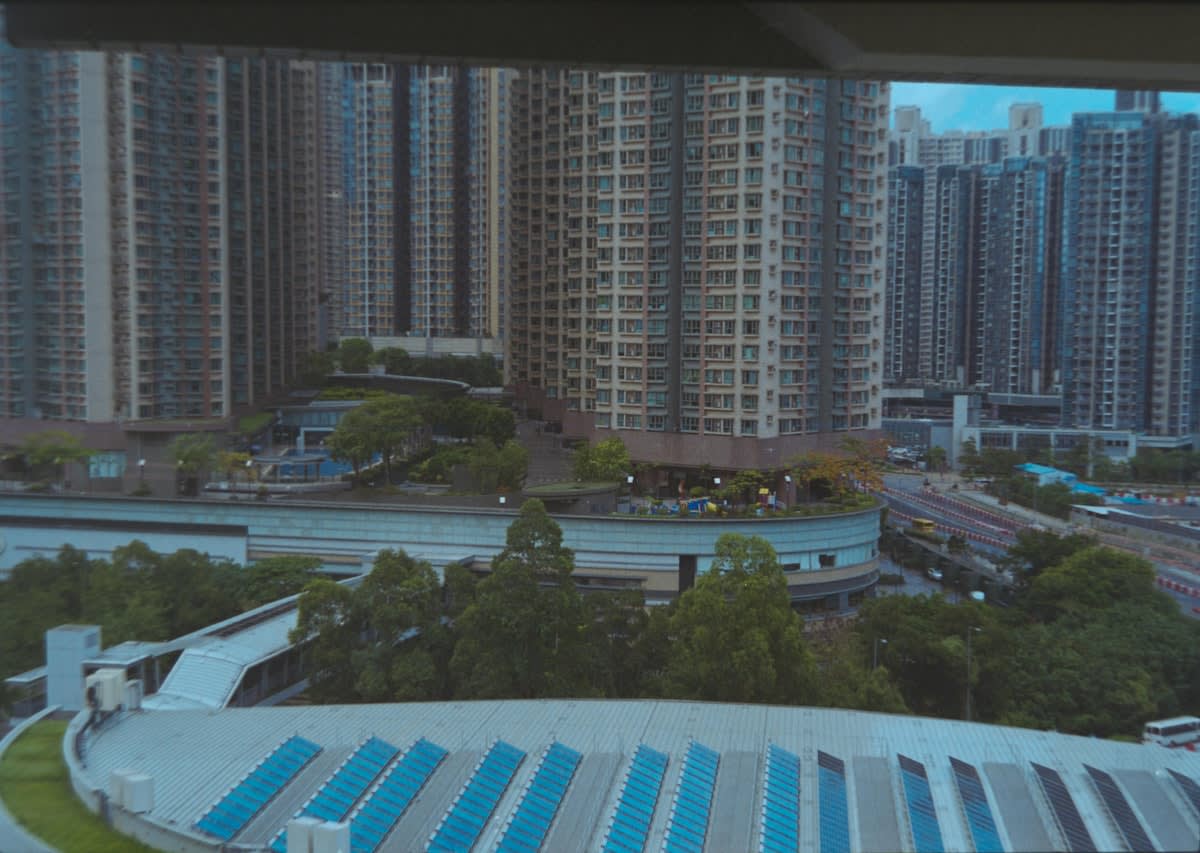
For a century, the blueprint for urban water was simple: find a distant river or aquifer, pipe the water into the city, use it once, and flush it away. This linear trajectory assumed an infinite supply and a bottomless sink for waste. But that logic is collapsing. As groundwater tables plummet and precipitation patterns become erratic, city planners are realizing that the most reliable water source is not found in a distant mountain range, but in the sewers beneath their own streets. We are witnessing a quiet but aggressive pivot toward closed-loop water systems.
This isn't just about rainwater harvesting or low-flow toilets. This is a systemic overhaul of urban metabolism. Closed-loop systems, or potable reuse, involve treating wastewater to a standard where it can be reintroduced into the drinking supply. While the concept sounds radical to the uninitiated, the engineering is already mature. The real shift over the last year has been psychological and political. Cities that once feared the 'yuck factor' are now viewing water independence as a matter of national security.
The Death of the Linear Model
Why now? The delta between available freshwater and urban demand has reached a breaking point. According to the United Nations World Water Development Report (Source: UN-Water, 2023), roughly 2.2 billion people lack access to safely managed drinking water. In metropolitan hubs, this manifests as 'invisible droughts'—where the taps still run, but the reserves are hollowed out. Reliance on desalination, once the gold standard for coastal cities, is proving too energy-intensive and ecologically damaging to be the sole solution.
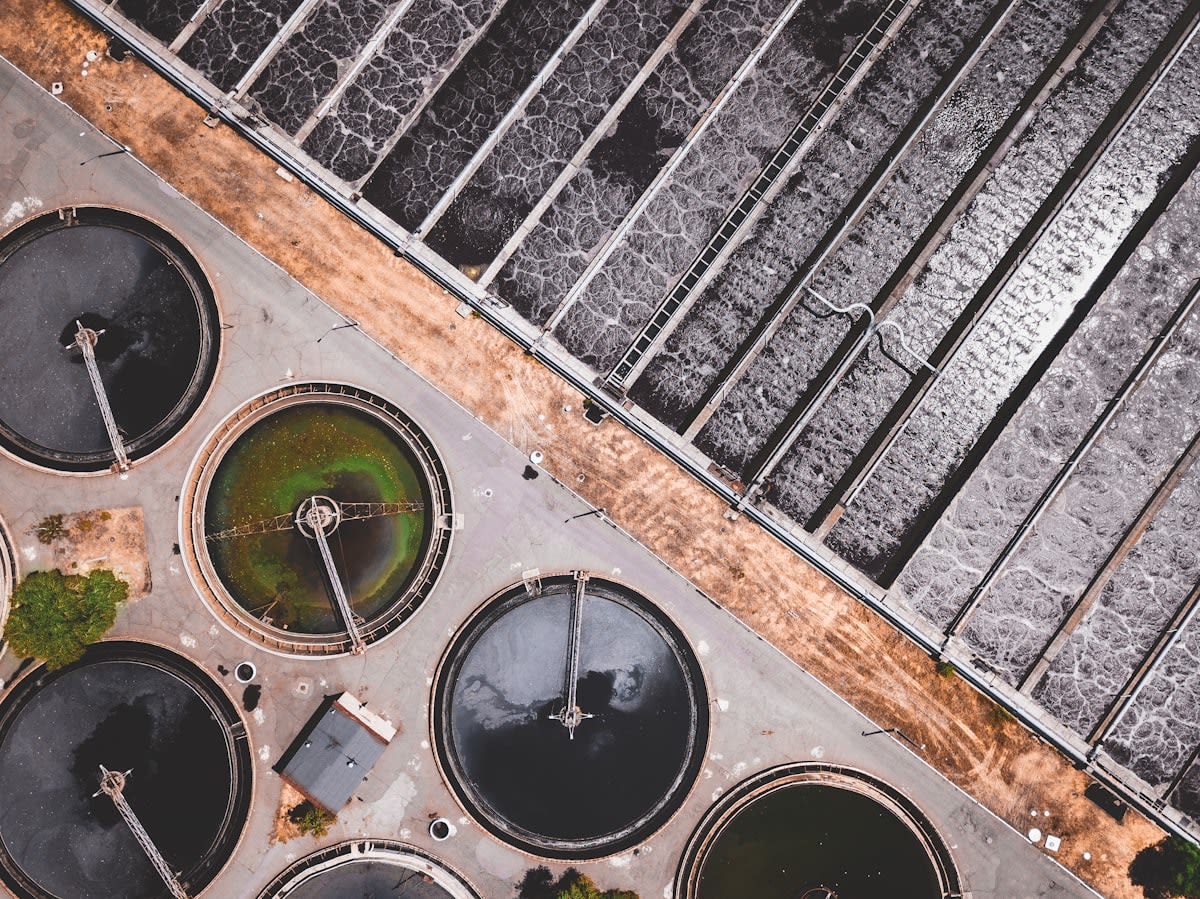
The shift is most evident when comparing the strategies of 2023 to those being implemented in 2024. Twelve months ago, the conversation focused heavily on 'indirect potable reuse'—pumping treated water into an aquifer or reservoir and letting nature 'cleanse' it before extraction. Today, the trend is accelerating toward 'Direct Potable Reuse' (DPR). DPR bypasses the environmental buffer, sending highly purified water directly back into the distribution system. It is faster, more efficient, and removes the risk of contamination during the environmental buffer stage.
| Feature | Linear Water System | Closed-Loop System |
|---|---|---|
| Primary Source | External (Rivers/Aquifers) | Internal (Recycled Wastewater) |
| Waste Management | Treatment and Discharge | Recovery and Re-injection |
| Climate Sensitivity | High (Drought Dependent) | Low (Constant Feedstock) |
| Energy Profile | Transport Heavy | Treatment Heavy |
Is this simply a luxury for wealthy city-states? Hardly. The implementation varies by geography but the goal remains the same: decoupling urban growth from hydrological volatility. In the arid landscapes of Namibia, Windhoek has pioneered direct potable reuse for decades out of sheer necessity. Meanwhile, in the United States, the Orange County Water District in California operates one of the world's largest groundwater replenishment systems, treating wastewater to a purity that often exceeds that of the original source (Source: OCWD, 2023).
"The challenge is no longer the chemistry of the water; the technology can make any water pure. The challenge is the chemistry of the human mind. We have to move from a culture of disposal to a culture of recovery."— Lead Engineer, PUB Singapore's NEWater Project
This transition creates a fascinating tension among practitioners. On the ground, water engineers are debating the trade-offs between centralized 'mega-plants' and decentralized 'satellite' systems. A centralized plant offers economies of scale but requires massive, expensive piping networks. Satellite systems—small-scale recycling hubs integrated into neighborhoods—reduce pumping costs and allow for localized irrigation. The friction lies in governance: who owns the water once it has been recycled three times?
The Engineering of Circularity
The technical stack driving this shift is a combination of multi-stage filtration and oxidation. First, membrane bioreactors (MBR) strip out organic matter. Then, reverse osmosis (RO) forces water through semi-permeable membranes to remove salts, viruses, and pharmaceuticals. Finally, advanced oxidation processes—often using UV light and hydrogen peroxide—destroy any remaining trace contaminants. The result is water that is, in many cases, chemically purer than the rainwater that feeds the rivers.
Relative Energy Intensity: Desalination vs. Closed-Loop Recycling
Executive Insight
+18.4%
YTD Growth
From an operational standpoint, the energy graph reveals why the pivot is happening. While desalination is a lifeline for coastal cities, it requires immense energy to overcome the osmotic pressure of seawater. Recycled wastewater has a much lower salinity, meaning the pumps don't have to work as hard. For a city manager, the math is simple: recycling is cheaper per cubic meter than desalting, and it's far more reliable than praying for rain.
But the transition isn't without its risks. The concentration of 'forever chemicals' like PFAS (per- and polyfluoroalkyl substances) presents a significant hurdle. In a linear system, these chemicals are flushed into the ocean. In a closed loop, they can accumulate. This has sparked a new arms race in filtration technology, with cities investing heavily in granular activated carbon and high-pressure membranes to ensure these pollutants don't cycle back into the kitchen tap (Source: Environmental Protection Agency, 2024).
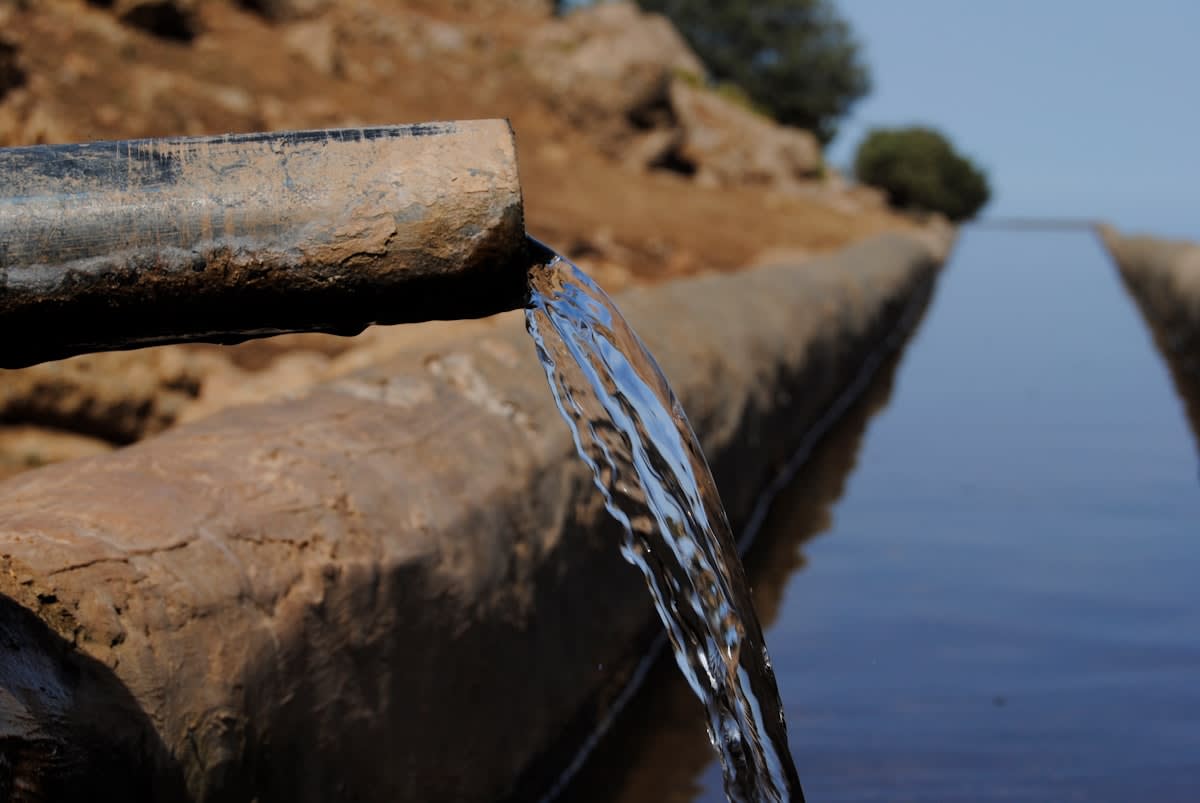
We are also seeing a shift in how water is valued economically. In the old model, water was often treated as a free or heavily subsidized commodity. Closed-loop systems change the accounting. By treating water as a reusable asset, cities are beginning to implement 'water credits' and tiered pricing that reflect the true cost of purification. This economic realignment is essential for funding the massive capital expenditure required to retrofit aging city grids.
The Global Roadmap: Who is Leading?
- Singapore: The gold standard with NEWater, providing up to 40% of the nation's water needs via high-grade reclaimed water (Source: PUB Singapore, 2023).
- Windhoek, Namibia: The world's longest-running direct potable reuse plant, operating since 1968 due to extreme aridity.
- Perth, Australia: Utilizing groundwater replenishment to combat declining rainfall and saltwater intrusion into aquifers.
- Mexico City: Experimenting with decentralized greywater systems to reduce the catastrophic sinking of the city caused by aquifer depletion.
These examples illustrate that the closed-loop transition is not a one-size-fits-all solution. Singapore uses it for industrial and potable needs; Perth uses it to recharge the earth; Windhoek uses it for survival. The common thread is the rejection of the 'disposal' mindset. The question for other global megacities is no longer 'should we do this?' but 'how fast can we build it?'
The real friction today isn't technical; it's regulatory. Most building codes and health department guidelines were written in the 1950s and explicitly forbid the use of recycled water for anything other than irrigation. Overcoming this requires a total rewrite of urban law. We are seeing a wave of 'regulatory sandboxes' where cities are granted temporary exemptions to test DPR systems, paving the way for a new global standard in water safety.
The Human Factor
The transition to closed-loop systems is often stalled not by engineering failures, but by the 'Psychological Barrier.' Public perception of 'toilet-to-tap' remains the single biggest hurdle for city councils, despite the fact that almost all municipal water is recycled through the environment regardless of the system.
Looking ahead, the integration of AI into water management will likely be the final piece of the puzzle. Smart grids can now monitor water quality in real-time, using sensors to detect contaminants at the molecular level. This removes the need for the 'wait and see' approach of environmental buffers. If a sensor detects a spike in a pollutant, the system can automatically divert the flow back for re-treatment in milliseconds.
Fact-Check & Accuracy Note
Key claims regarding the energy efficiency of recycling vs. desalination and the statistics on Singapore's water supply are sourced from PUB Singapore and UN-Water reports. The discussion on PFAS accumulation is an ongoing area of research and debate within the water treatment community, with no single global consensus on the most cost-effective removal method.