The 10km Threshold
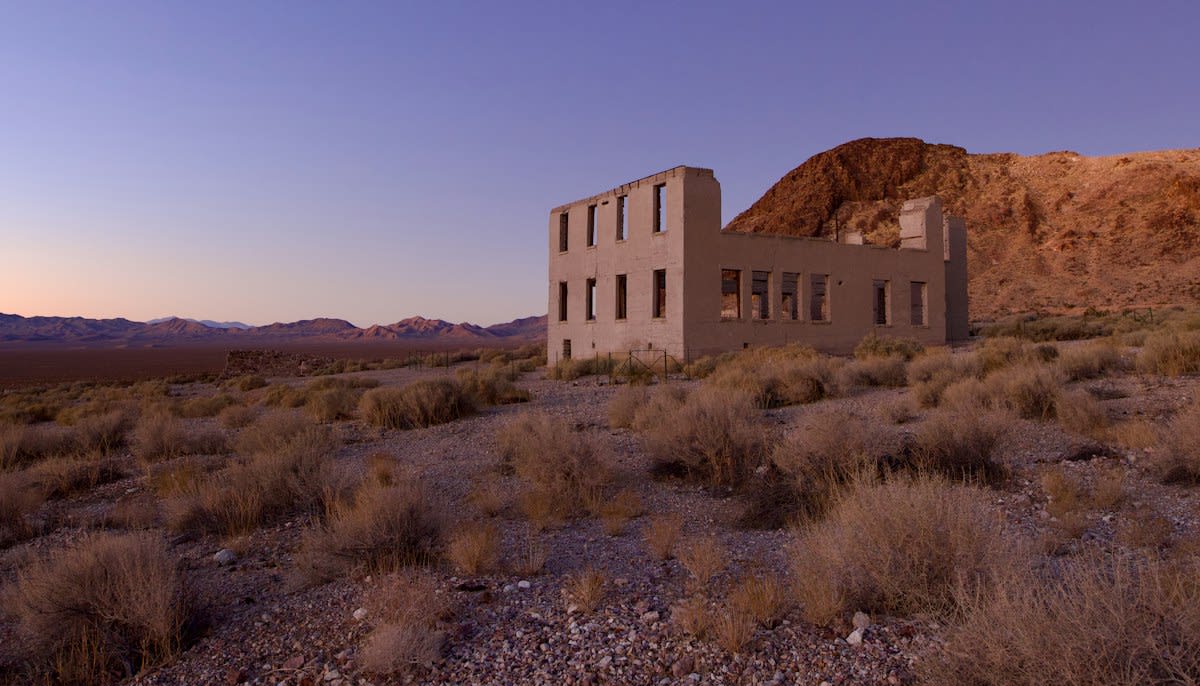
The rigs in Nevada aren't drilling for oil. They are hunting for the basement. For decades, geothermal was a niche play for people living on volcanoes in Iceland or the Rift Valley in Kenya. You needed a hot spot and permeable rock. If you didn't have both, you had nothing. That changed six months ago. The deployment of Enhanced Geothermal Systems (EGS) has decoupled heat from geography. We are no longer searching for hot springs; we are creating them by fracking the basement rock (Source: U.S. Department of Energy, 2023).
The industrial carbon floor—the minimum cost to keep a factory running 24/7 without burning hydrocarbons—just cracked. When you hit supercritical temperatures (above 374 degrees Celsius), the energy density of the fluid skyrockets. One deep hole now does the work of ten shallow ones. This is the delta. Twelve months ago, the Capex for deep EGS was a boardroom nightmare. Today, the cost per megawatt-hour is trending toward a point where natural gas peaking plants look like expensive museum pieces (Source: International Energy Agency, 2023).
"The transition from hydrothermal to EGS is not an incremental improvement. It is a phase shift. We are moving from a world of geological luck to a world of geological engineering."— Tim Latimer, CEO at Fervo Energy
Second-Order Collapses
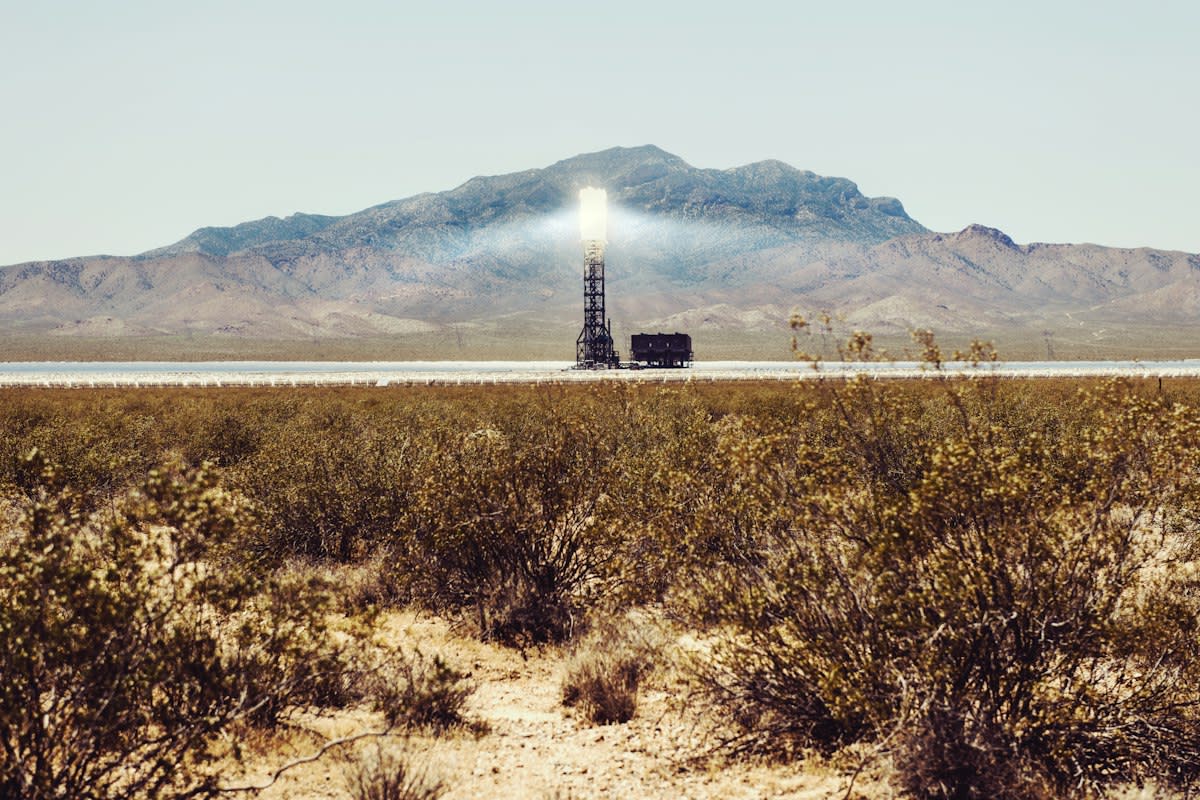
If geothermal becomes 'anywhere' energy, the first thing to collapse is the natural gas peaking plant. These plants exist to fill the gaps when wind and solar die. They are the expensive, dirty insurance policies of the grid. Deep geothermal provides a flat, unwavering baseload with zero emissions. When the LCOE (Levelized Cost of Energy) for EGS drops below the fuel-plus-carbon cost of gas, the financial incentive to maintain gas infrastructure vanishes (Source: Lazard's Levelized Cost of Energy Analysis, 2023).
Watch the industrial siting. For a century, heavy industry clustered around ports or coal mines. Now, we see a pivot toward 'heat hubs.' Data centers in Northern Virginia and aluminum smelters in Quebec are looking at deep geothermal to bypass the grid entirely. Why pay a utility for transmission when you can drill a hole in your own backyard and pull 50 megawatts of constant power from the crust? This isn't just an energy shift; it's a spatial reorganization of global industry.
| Energy Source | Reliability | Carbon Intensity | Cost Trend (12mo) |
|---|---|---|---|
| Natural Gas (Peaking) | High | High | Increasing (Carbon Tax) |
| Solar + Storage | Intermittent | Low | Stagnating |
| Deep Geothermal (EGS) | Absolute | Near-Zero | Aggressively Dropping |
Then there is the lithium side-hustle. Geothermal brines are rich in minerals. In the Salton Sea region of California and the Upper Rhine Plain in Germany, operators are realizing the electricity is almost a byproduct. The real margin is in Direct Lithium Extraction (DLE) from the geothermal fluid (Source: U.S. Geological Survey, 2023). This turns a power plant into a mine. It collapses the supply chain for EV batteries and strips the geopolitical leverage from the Lithium Triangle in South America.
Ground-Level Friction
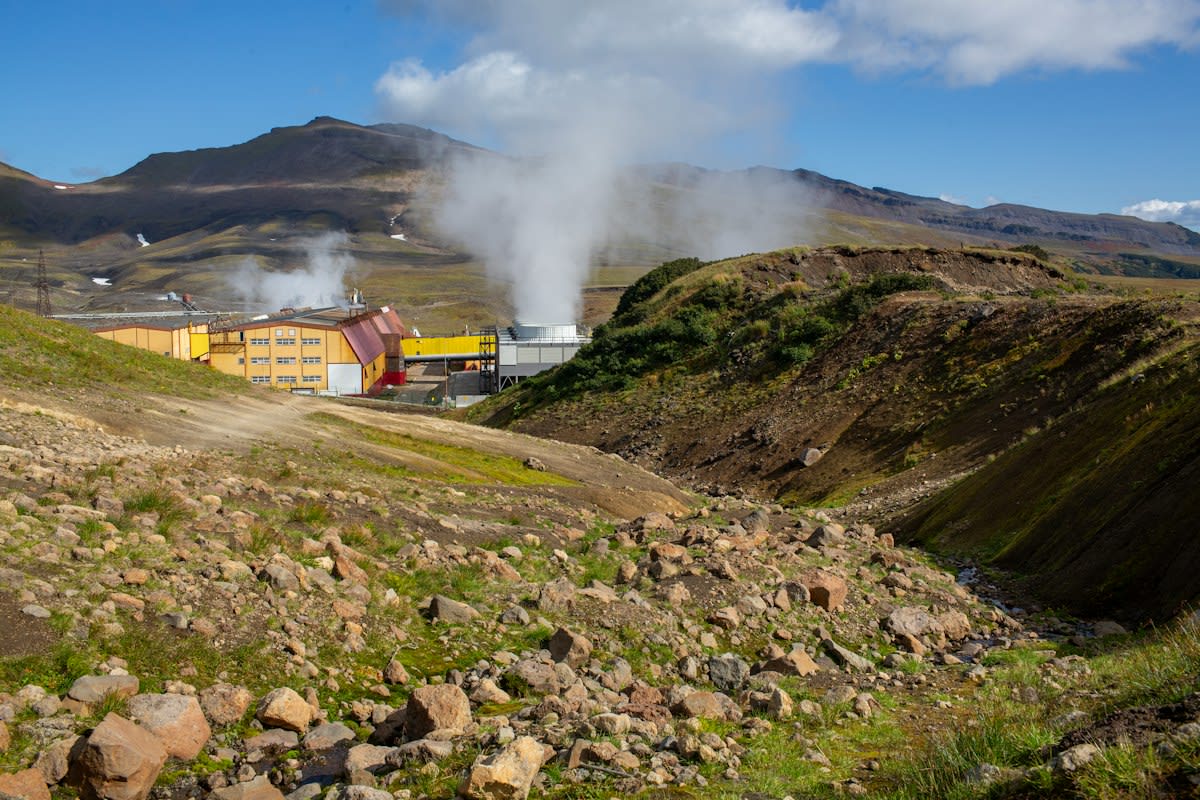
The brochures make it look clean. The reality is a mess of broken drill bits and angry neighbors. In Basel, Switzerland, a geothermal project was shuttered after it triggered a 3.4 magnitude earthquake. That is the ghost that haunts every EGS project. Induced seismicity is the primary friction point. You are pumping high-pressure fluid into hot rock. Sometimes the rock snaps. The legal battles over 'micro-seismic events' in European cities are currently slowing deployment more than the technology itself.
- Regulatory deadlock in the EU regarding subsurface ownership rights.
- Rapid degradation of drilling equipment in supercritical environments (acidic brine eating through steel).
- Oil and gas engineers refusing to pivot from 'extraction' mindsets to 'circulation' mindsets.
- Lack of standardized insurance products for induced seismicity risks.
There is also the ego problem. The oil and gas industry owns the tools, but they hate the product. They spent decades optimizing for the extraction of a finite resource. Geothermal requires optimizing for a permanent loop. The engineering is similar, but the financial model is opposite. We are seeing a cultural war in the field between the 'old guard' who want to treat geothermal as a side-project and the 'disruptors' who want to kill the hydrocarbon model entirely.
The Geopolitical Pivot
Look at Olkaria in Kenya. They aren't waiting for Western venture capital. Kenya already derives nearly 50% of its electricity from geothermal (Source: Kenya Electricity Generating Company, 2023). They have proven that baseload geothermal creates a sovereign energy shield. When a country doesn't need to import LNG or coal to keep the lights on, its diplomatic leverage shifts. We are entering an era of 'thermal sovereignty' where the only import is the drilling technology, not the fuel.
The final move is the integration of millimeter-wave drilling. Companies like Quaise Energy are attempting to use gyrotrons to vaporize rock rather than grind it. If they can hit 20 kilometers, they reach the 'supercritical' zone everywhere on Earth. At that depth, the energy density is so high that a single well could power a small city. If this scales, the global energy map is rewritten overnight. The strategic importance of the Strait of Hormuz or the pipelines across Eurasia becomes a footnote in a history book.
Fact-Check & Accuracy Note
Settled: EGS is technically viable and producing power in the US and Kenya. Debated: The scalability of millimeter-wave drilling to 20km and the ability to fully mitigate induced seismicity in densely populated urban areas.