
The Invisible Harvest
The most significant shift in global agriculture isn't happening in a laboratory or a seed catalog; it is happening beneath the surface of the earth. For decades, the farmer's success was measured by the bushel, the ton, or the bale. Today, a new metric is taking hold: the metric ton of carbon dioxide equivalent (CO2e). Across the globe, landowners are realizing that the dirt beneath their boots is no longer just a medium for growth, but a sophisticated financial ledger. This isn't a fringe movement led by organic hobbyists; it is a calculated pivot by industrial-scale operators who see the volatility of commodity markets as a liability and the rising demand for corporate offsets as a hedge.
Why is this happening now? The convergence of extreme weather patterns and the aggressive net-zero targets of Fortune 500 companies has created a perfect storm of demand. When a drought wipes out a soy crop in Mato Grosso or a flood ravages wheat in New South Wales, the traditional revenue stream vanishes. However, carbon sequestration—the process of pulling CO2 from the atmosphere and locking it in the soil through regenerative practices—offers a different kind of resilience. It transforms the farm from a production site into a service provider for the global climate economy. The financial incentive is simple: get paid to keep the carbon in the ground rather than releasing it into the air.
Defining the Shift
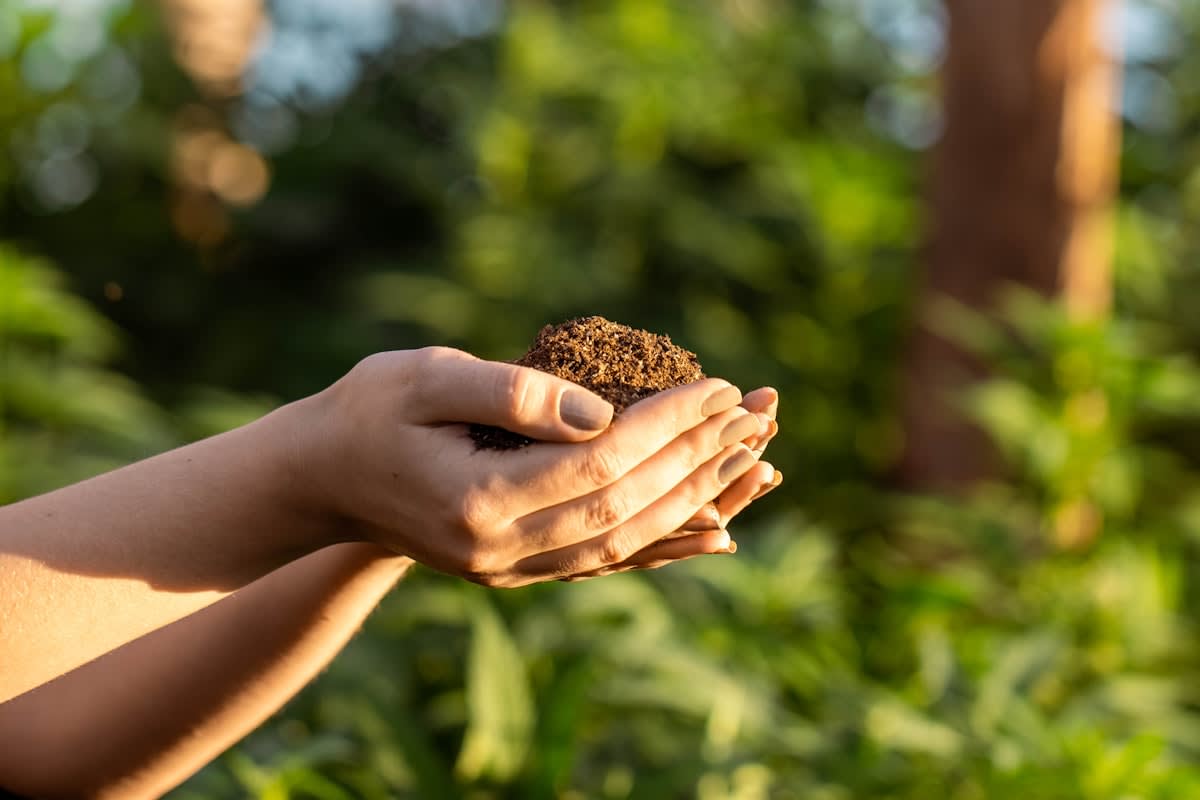
The 'Carbon Farmer' is a new breed of agricultural entrepreneur. Instead of maximizing yield per acre, they are maximizing carbon density per hectare, treating the atmosphere as their primary resource and the soil as their bank account.
From Acreage to Assets: The Global Reach
This pivot is manifesting differently across various geographies, but the underlying logic remains identical. In the American Midwest, corn and soy farmers are adopting no-till farming and cover cropping to avoid the carbon release associated with traditional plowing. In Brazil, the focus has shifted toward integrated crop-livestock-forestry systems, where trees are planted amidst pasture to accelerate sequestration. Meanwhile, in the Australian Outback, wheat growers are utilizing precision agriculture to minimize inputs and maximize the organic carbon content of their soil. These aren't isolated experiments; they are systemic adaptations to a market that is beginning to price the environment into the balance sheet.
The economics are becoming impossible to ignore. While crop prices are subject to the whims of geopolitical conflict and trade wars, the voluntary carbon market (VCM) is driven by structural corporate mandates. When a tech giant or an airline commits to carbon neutrality, they need high-quality, verifiable offsets. Soil carbon is particularly attractive because it provides a dual benefit: it mitigates climate change while simultaneously improving soil health, which leads to better water retention and long-term yield stability. It is a rare win-win in a sector usually defined by trade-offs.
| Metric | Traditional Crop Model | Carbon-Integrated Model |
|---|---|---|
| Primary Revenue Source | Commodity Sales | Commodities + Carbon Credits |
| Risk Profile | High (Weather/Market Volatility) | Diversified (Environmental Service) |
| Soil Impact | Degradation/Nutrient Depletion | Regeneration/Carbon Accumulation |
| Input Dependency | High (Synthetic Fertilizers) | Lower (Organic Matter Focus) |
But who actually owns the carbon? This question is triggering a legal gold rush. In many jurisdictions, the ownership of 'sequestered air' is a grey area. Does it belong to the landowner, the tenant farmer who implemented the changes, or the government? We are seeing a surge in specialized contracts that explicitly carve out carbon rights from land leases. This legal gymnastics underscores the transition: we are moving from a land-based economy to an asset-based economy where the 'asset' is an invisible gas trapped in the earth.
The Delta: Precision over Promises
If we look at the landscape from twelve months ago, the carbon market was essentially the Wild West. Farmers were often paid based on 'estimated' sequestration—essentially a pinky-swear that they were planting cover crops. This led to a crisis of confidence and accusations of greenwashing. However, the last year has seen a violent correction toward precision. The industry has shifted from simple self-reporting to rigorous MRV (Monitoring, Reporting, and Verification) frameworks. We are now seeing the integration of satellite imagery, AI-driven soil modeling, and IoT sensors that provide real-time data on carbon flux.
The 'Delta' here is the move from qualitative to quantitative. A year ago, a credit was a promise; today, a high-integrity credit is a data point. This shift has caused a price bifurcation in the market. Low-quality, unverified credits are crashing in value, while 'premium' credits—those backed by transparent, third-party verified data—are commanding a significant premium. Farmers who invested in the technology to prove their sequestration are finding themselves in a completely different financial league than those who simply changed their plowing habits.
"The era of the 'estimated ton' is over. The market now demands a digital audit trail from the atmosphere to the soil. Those who can prove their impact will own the next decade of agricultural finance."— Marcus Thorne, AgTech Venture Analyst
The Risks of the New Gold Rush
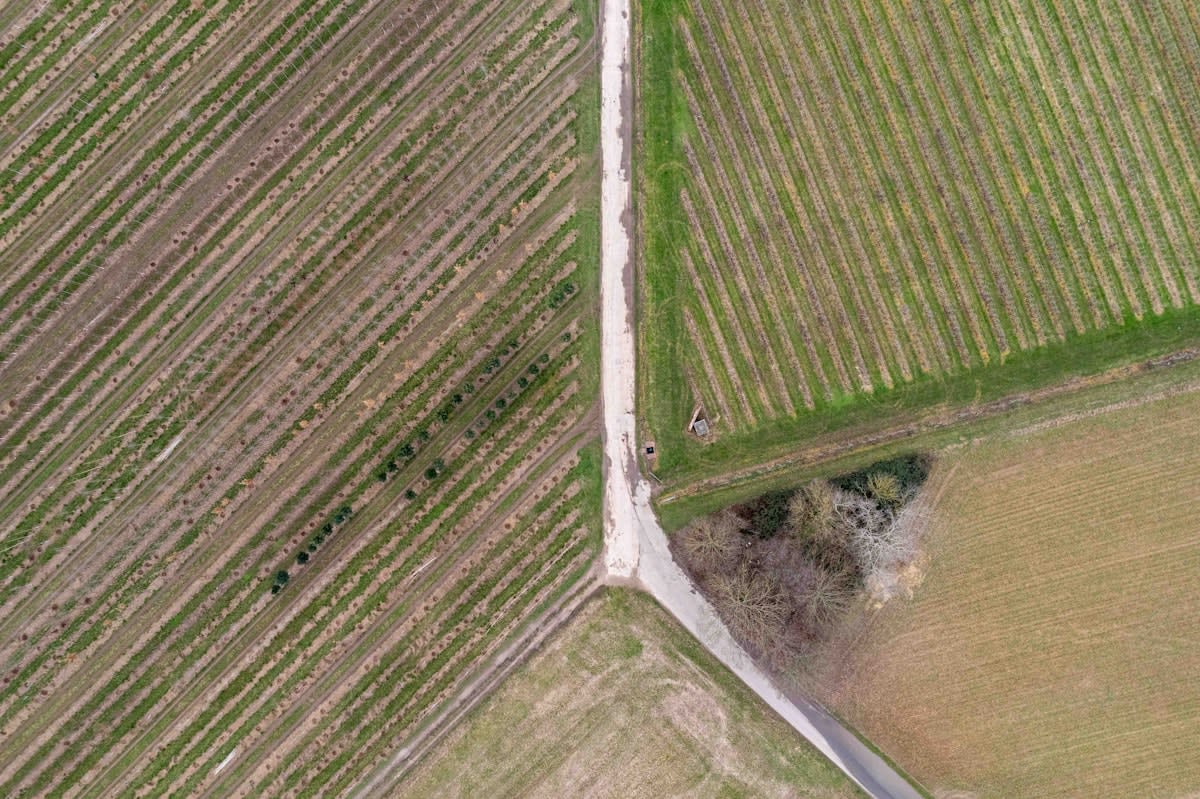
Despite the optimism, the pivot to carbon is not without peril. The primary concern is 'permanence.' Carbon sequestered in soil is not like carbon locked in a basalt rock; it can be released back into the atmosphere if a future landowner decides to plow the field. This creates a systemic risk for the buyers of the credits. If a farm is sold and the new owner reverts to conventional tillage, the carbon credit effectively vanishes. How do you insure an invisible asset against a change in management? The industry is currently scrambling to create 'buffer pools'—essentially a carbon insurance fund—to cover these losses.
Then there is the issue of 'leakage.' If a farmer converts 1,000 acres to carbon sequestration but compensates for the lost crop yield by clearing forest elsewhere, the net benefit to the planet is zero. This is why the most sophisticated carbon programs are moving toward 'whole-farm' accounting. They are no longer looking at a single field in isolation but are auditing the entire operational footprint. The goal is to ensure that the carbon gain in the soil isn't just a shell game played with different parcels of land.
Projected Growth of Voluntary Soil Carbon Markets (2023-2030)
Executive Insight
+18.4%
YTD Growth
Resilience as the New ROI
Beyond the immediate cash flow from credits, the true value of this pivot lies in systemic resilience. Soil rich in organic carbon acts like a sponge, holding significantly more water during droughts and absorbing more during floods. This reduces the farmer's reliance on expensive irrigation systems and synthetic fertilizers, which are themselves carbon-intensive to produce. The financial gain from the carbon credit is the 'bonus,' but the increased viability of the land is the real prize. We are witnessing a fundamental redesign of the agricultural business model.
The transition is not without friction. Many farmers are skeptical of the complex contracts and the perceived intrusion of corporate auditors on their land. There is also the risk of 'carbon land grabs,' where institutional investors buy up farmland not to farm it, but to harvest credits, potentially driving up land prices and pushing out small-scale growers. This tension between environmental goals and social equity will be the defining conflict of the next decade in rural landscapes.
Ultimately, the pivot from crops to carbon is a signal that the global economy is finally beginning to internalize the cost of pollution. For the first time in history, the farmer is being paid not just for what they take out of the ground, but for what they put back into it. Whether this remains a niche financial instrument or becomes the primary driver of global land use depends on the industry's ability to solve the verification puzzle. The gold rush is real, but the gold is invisible, and the mine is the earth itself.