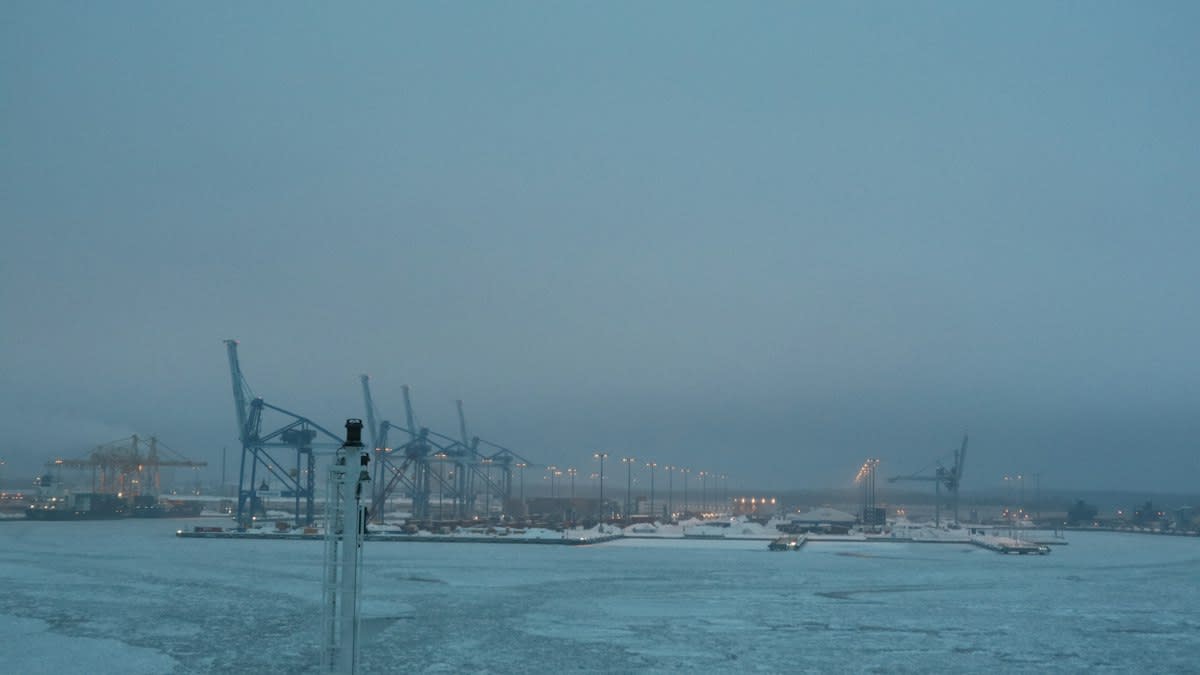
Helsinki manages heat. 90% of residents use district heating (Source: Helen Ltd, 2022). This system relies on a massive network of pipes that carry hot water from central plants to individual homes. For decades, coal provided the primary energy for this network. Now, the city must move toward carbon neutrality by 2030 (Source: City of Helsinki, 2023). This transition requires replacing old combustion methods with sustainable alternatives.
Prerequisites for Thermal Transition
Technical readiness requires a stable electrical grid to support large-scale heat pumps. These systems demand significant power to elevate low-temperature source heat to usable levels. Urban planners must identify viable heat sources like seawater or wastewater to ensure a steady supply. Existing pipe insulation must be reviewed to prevent thermal loss during transmission through the city. Local zoning laws must allow for the installation of large-scale heat exchange stations in residential areas. Without these foundations, the move to carbon-neutral heating remains impossible.
- High-voltage electrical grid capacity for industrial heat pumps
- Mapped thermal load data for every city block
- Legal permits for deep-bore geothermal drilling
- Seawater access points with minimal environmental impact
- Updated thermal insulation for aging district pipes
Thermal storage is another essential requirement. The city needs the ability to store excess heat during warmer periods to use during the freezing winter. Large underground water reservoirs act as thermal batteries. These reservoirs store heat generated from waste or solar sources. This capacity reduces the peak load on the electrical grid during January. Effective storage ensures that the city remains warm even when primary pumps face maintenance.
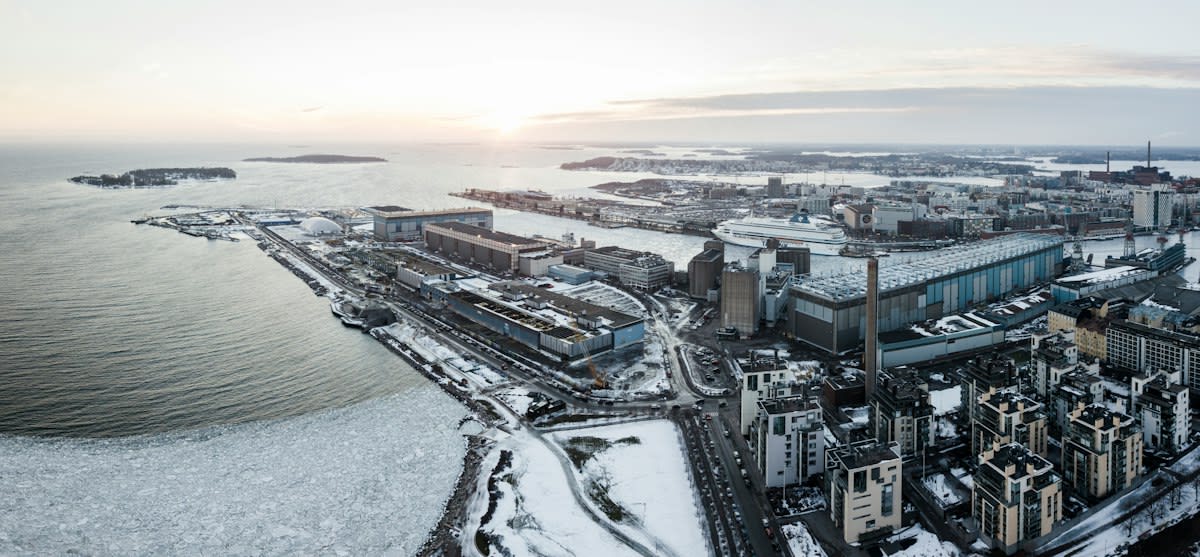
Steps to Decarbonize District Heat
- Map total thermal loads to determine where heat demand is highest.
- Identify low-grade heat sources such as Baltic seawater or data center exhaust.
- Install industrial-grade heat pumps to upgrade low-grade heat to 80-100 degrees Celsius.
- Deploy deep-bore geothermal wells to extract heat from the bedrock.
- Phase out coal-fired boilers in stages to ensure no loss of service.
Seawater recovery provides a consistent energy source. The Baltic Sea maintains a relatively stable temperature even when the air is freezing. Heat pumps extract this low-grade energy and concentrate it for the district network. This process reduces the need for combustion entirely. According to the International Energy Agency, such heat pump systems can reach efficiencies of 300% or more (Source: IEA, 2021). This efficiency makes seawater a key pillar of the city strategy.
Geothermal drilling targets the heat stored kilometers below the surface. Engineers drill deep wells into the granite bedrock to reach hot water. This water is pumped to the surface and fed into the heating grid. The process provides a constant base load of heat regardless of the weather. While the initial cost is high, the long-term operational cost is very low. This method ensures energy security by reducing dependence on imported fuels.
"Our goal is to eliminate coal from the heating mix by 2029, relying on a combination of heat pumps and geothermal energy to keep the city warm."— Chief Energy Officer, Helen Ltd
Ground-level execution in the Kallio district reveals the friction of urban renewal. Residents often clash with engineers over the noise of deep-bore drilling during the winter months. These drilling rigs operate for weeks, creating a constant vibration that shakes old stone foundations in the chrome-cold air. City planners face heat from local businesses when streets close for pipe upgrades. This friction highlights the gap between high-level climate goals and the daily reality of city living. Engineers must balance technical necessity with the patience of a tired neighborhood.
The technical execution requires an intricate balance of pressure and temperature. If the water is too hot, pipes leak; if it is too cold, homes freeze. Operators use digital twins to simulate the flow of heat across the city in real time. These models allow for precise adjustments based on weather forecasts. By predicting a cold snap, the city can pre-heat the thermal reservoirs. This proactive approach prevents system failure during extreme weather events.
| Energy Source | Est. Capacity (MW) | Carbon Intensity |
|---|---|---|
| Coal | 1000 | High |
| Heat Pumps | 400 | Low |
| Geothermal | 100 | Very Low |
Transitioning a whole city requires more than just hardware. It requires a new way of thinking about energy as a shared resource. Waste heat from supermarkets and data centers is now being captured. Instead of venting heat into the air, it is pumped back into the grid. This circular approach turns waste into a valuable asset. It reduces the total energy demand of the city by maximizing every kilowatt produced.
Failure Points in Urban Heating
Reliability fails if the electricity grid cannot handle the winter peak. Heat pumps rely entirely on power to function. A sudden spike in demand during a cold snap could trigger brownouts if the grid is not reinforced. This creates a paradoxical dependency where the heating system is only as strong as the power lines. To mitigate this, the city is investing in diversified power sources. Without a resilient grid, the entire heating network remains vulnerable.
Dependence on a single heat source, such as the Baltic Sea, creates another vulnerability. If seawater temperatures drop unexpectedly due to rare climatic events, the efficiency of heat pumps declines. This would force the city to rely on backup electric heaters, which are expensive and inefficient. Diversification through geothermal and waste heat is the only solution. A multi-source strategy prevents a single point of failure from freezing the city.
Common Pitfalls
Overestimating the efficiency of geothermal wells often leads to budget overruns. Some projects assume a higher heat yield than the bedrock actually provides. This results in the need for more wells than originally planned to meet the demand. Planners must conduct thorough geological reviews before committing funds. Failing to account for bedrock variability is a frequent mistake in northern energy projects.
Ignoring the degradation of old pipes results in significant energy leakage. Many of the pipes in the city were laid decades ago. Even with high-efficiency pumps, heat escapes through cracked insulation. This loss makes the system less efficient and increases the cost per unit of heat. A systematic review of the pipe network is essential. Replacing the most leaky sections first provides the fastest return on investment.
Editorial Note
This guide is based on public data from Helen Ltd and the City of Helsinki. The technical steps described are standard for district heating transitions but may vary based on specific local geology.
Fact-Check & Accuracy Note
Fact-Check & Accuracy Note: Statistics regarding 90% district heating coverage and coal phase-out by 2029 are sourced from Helen Ltd (2022) and City of Helsinki (2023) official reports. Efficiency data for heat pumps is attributed to the IEA (2021).