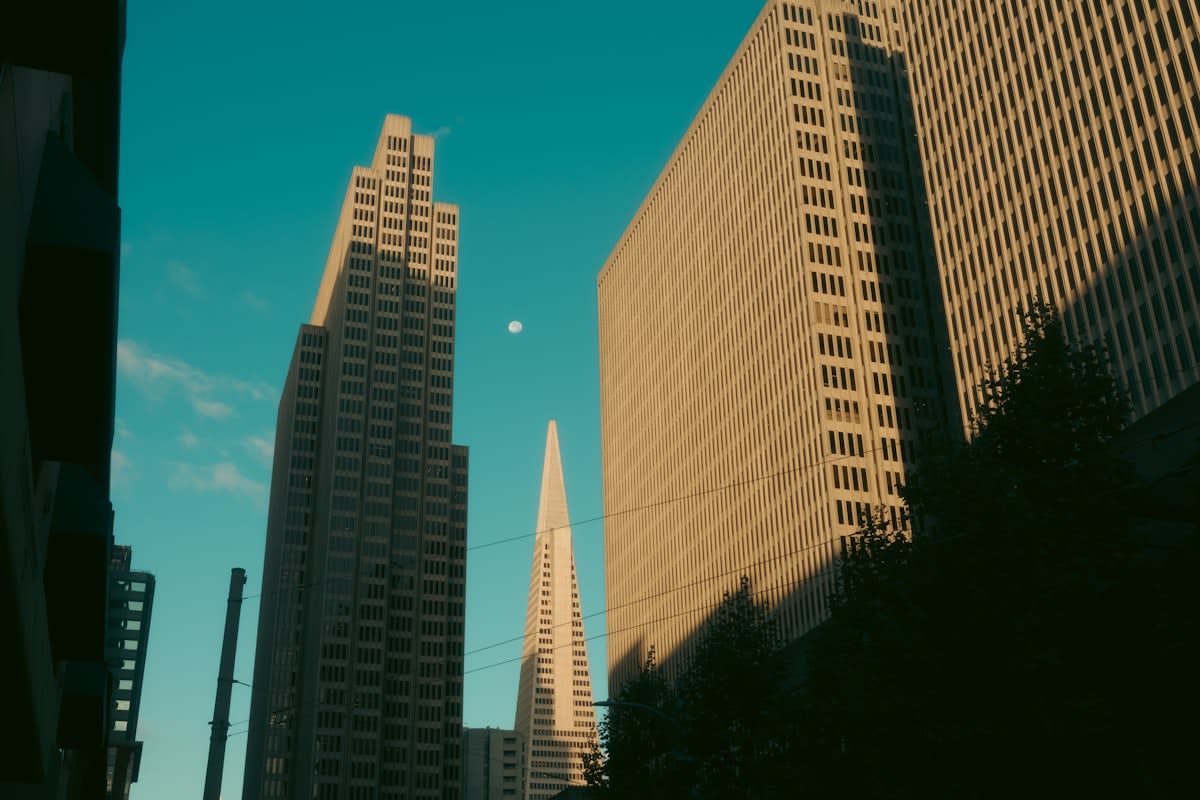
For decades, the urban approach to greenery was purely aesthetic—manicured lawns and isolated rows of ornamental trees that did little to lower the ambient temperature of a concrete jungle. That era is ending. We are witnessing a rapid pivot toward nature-positive development, where the goal is no longer just to 'add green' but to engineer functional, connected ecosystems within the urban fabric. This isn't about landscaping; it is about survival in an era of intensifying urban heat islands.
The urgency has shifted. In recent months, the discourse has moved from a narrow focus on emissions reduction to a broader agenda of adaptation, regeneration, and value protection (Source: edie.net, 2026). This delta is critical. While carbon offsets happen elsewhere, urban rewilding happens on the street corner. The current trend is the replacement of sterile concrete plazas with 'micro-forests'—dense, native plantings designed to maximize cooling and biodiversity in the smallest possible footprint.
The Rise of Biodiversity Sensitive Urban Design (BSUD)
At the heart of this movement is Biodiversity Sensitive Urban Design (BSUD). Unlike traditional urban planning, BSUD integrates ecological connectivity as a primary planning tool rather than an afterthought (Source: Frontiers in Ecology and the Environment, 2026). The objective is to create 'wildlife corridors' that allow pollinators and small mammals to move through a city without being trapped in isolated green islands. When nature is fragmented, species die; when it is connected, the city breathes.
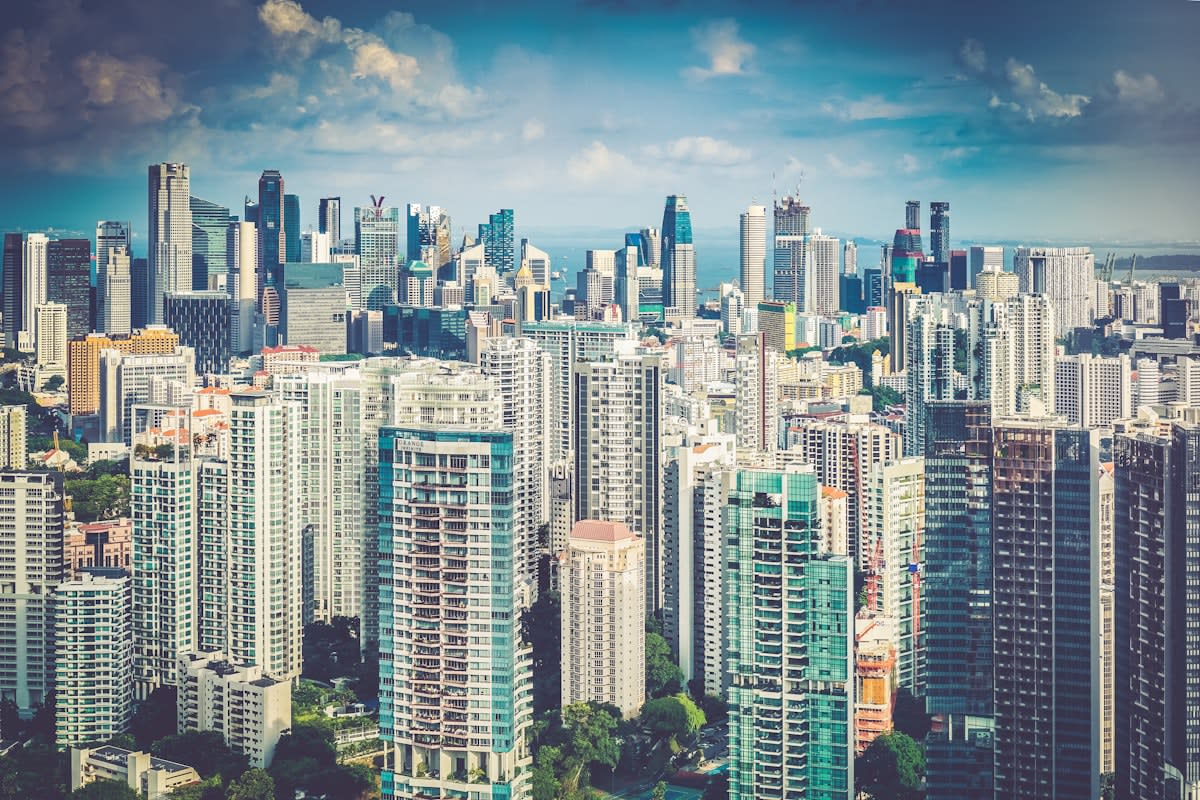
"Recent global policy developments and recognition of the economy's dependence on biodiversity have increased awareness of corporate and developer responsibilities in the extinction crisis."— World Economic Forum (WEF) 2024, as cited in Frontiers in Ecology and the Environment
This shift is being driven by a new regulatory reality. Developers are no longer just looking to 'minimize impact' to avoid fines; they are facing obligations to mitigate residual impacts through corporate sustainability reporting, particularly within the EU (Source: Frontiers in Ecology and the Environment, 2026). We are seeing a transition from voluntary 'green-washing' to mandatory 'nature-positive' mandates. Does this mean every new skyscraper will come with a forest? Perhaps not, but it means the ecological cost of concrete is finally being priced into the development budget.
From a practitioner's perspective, this is where the real friction happens. On the ground, the debate isn't about whether trees are good, but about the tension between 'manicured' and 'wild.' Developers often push for tidy, predictable greenery that fits a corporate aesthetic, while ecologists argue for the 'messy' complexity of native scrub and wild undergrowth necessary for actual biodiversity. There is a constant tug-of-war over 'ecological connectivity'—whether a few planters on a balcony actually help a species migrate or if they are merely biological traps. The real work is in the negotiation between the architect's blueprint and the biologist's requirement.
Quantifying the Invisible: Data-Driven Forestry
You cannot manage what you cannot measure. The latest trend in urban rewilding is the digitalization of the canopy. Cities are moving away from anecdotal evidence of 'greenery' and toward precise, data-driven tree management. A prime example is the adoption of platforms like ezyPortal by Barnet Council, which allows for a proactive and ecologically informed approach to the urban forest (Source: Forestry Journal, 2026).
What makes this revolutionary is the integration of i-Tree ecosystem services values. This system provides a calculated monetary valuation of a tree's environmental contribution (Source: Forestry Journal, 2026). By assigning a dollar value to carbon sequestration, stormwater runoff reduction, and air filtration, cities can now treat their micro-forests as critical infrastructure—on par with sewage systems or power grids. When a tree is viewed as a financial asset for climate resilience, the budget for its maintenance suddenly becomes a priority.
| Traditional Urban Greenery | Nature-Positive Micro-Forests |
|---|---|
| Aesthetic focus (Ornamental) | Functional focus (Native/Biodiverse) |
| Fragmented 'Green Islands' | Ecological Connectivity (Corridors) |
| Maintenance as a Cost Center | Maintenance as Value Protection (i-Tree) |
| Emissions Reduction Focus | Adaptation & Regeneration Focus |
This data layer allows city officials to identify precisely where the heat island effect is most severe and deploy micro-forests with surgical precision. It transforms the city map from a grid of streets into a map of biological opportunities. Why plant a row of non-native maples when data shows that a dense cluster of native shrubs can lower the local temperature by several degrees more effectively?
The Pollinator Pivot: Beyond the Tree
Rewilding is not just about the canopy; it is about the creatures that sustain it. There is a growing trend of integrating 'pollinator mascots' and targeted habitat protection into urban retreats. For instance, the Six Senses London project emphasizes the vulnerability of native pollinators, working with local organizations to plant connected green spaces specifically for bees and butterflies (Source: SmartFlyer, 2026).
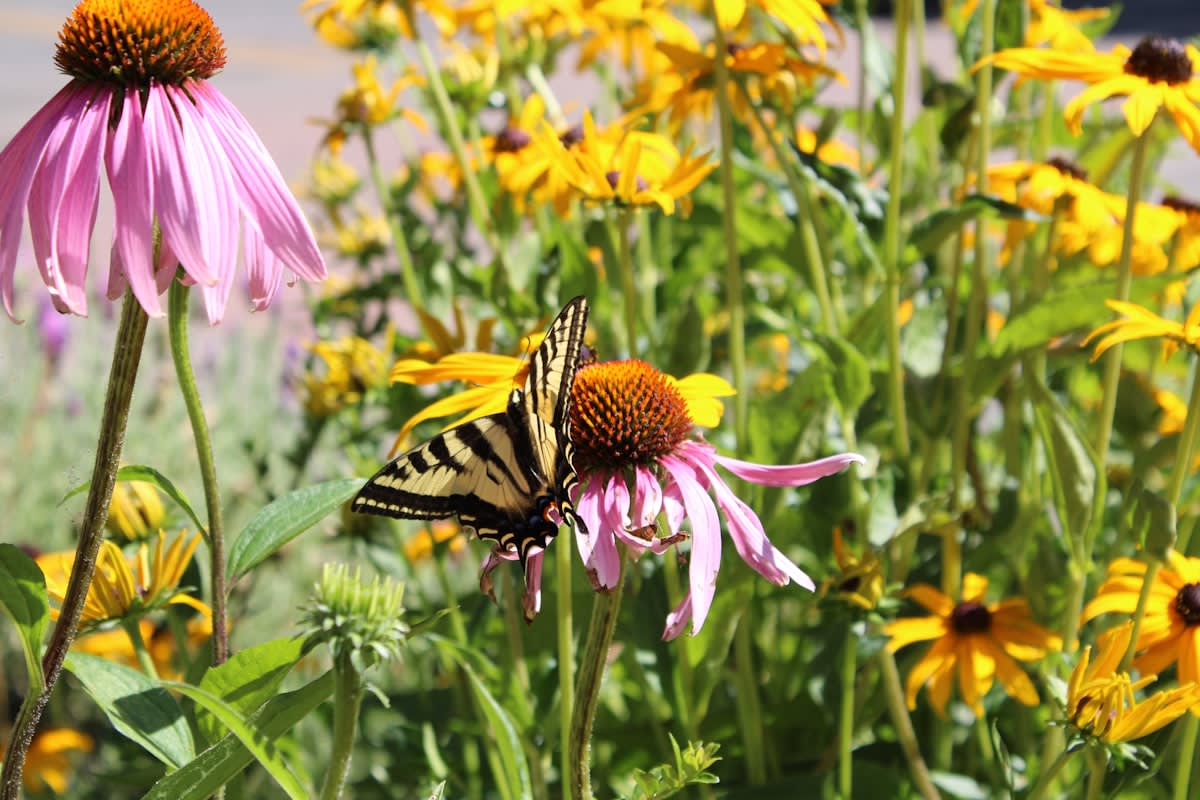
The focus on specific species—such as the Large Blue or Purple Emperor butterflies—signals a shift toward high-fidelity rewilding (Source: SmartFlyer, 2026). Instead of general 'greenery,' practitioners are selecting plants that support specific, endangered local fauna. This level of specificity ensures that the micro-forest is not just a cooling mechanism, but a functioning piece of the regional ecosystem.
But the benefits extend beyond the biological. There is an emerging body of research into the non-material benefits of these landscape changes. Human-nature interactions in these rewilded spaces provide psychological relief and cultural ecosystem services that are often ignored in traditional urban planning (Source: Elsevier, 2026). The question is no longer just 'how much does this cool the air?' but 'how does this change the mental state of the citizen?'
However, this transition is not without its hurdles. The pace of landscape change is occurring at an unprecedented rate, and our ability to integrate human perception into these decisions remains poorly understood (Source: Elsevier, 2026). We are building these forests faster than we understand how people interact with them. Is a 'wild' forest perceived as a sanctuary or as a neglected wasteland? This is the next frontier of urban landscape science.
The Strategic Outlook: Adaptation as the New Standard
As we move deeper into the 2020s, the blueprint for the global megacity is being rewritten. The move toward nature-based approaches to manage climate change is no longer a niche experiment—it is a strategic imperative (Source: Frontiers in Ecology and the Environment, 2026). The cities that thrive will be those that treat biodiversity as a core utility.
The delta we see today—the shift from simple emissions targets to comprehensive regeneration—suggests that the 'micro-forest' is just the beginning. We are moving toward a future where the boundary between 'city' and 'nature' is intentionally blurred. The concrete is not just being replaced; it is being integrated into a living, breathing infrastructure.
Editorial Note: The Trajectory
The current trajectory suggests that by 2030, 'Biodiversity Sensitive Urban Design' will be a standard requirement for all major municipal zoning laws in climate-vulnerable megacities, moving from a voluntary 'best practice' to a regulatory baseline.
Fact-Check & Accuracy Note
Key claims regarding BSUD, nature-positive development, and ecological connectivity are sourced from Frontiers in Ecology and the Environment (2026) and the World Economic Forum (2024). Data on urban tree management and i-Tree valuation is sourced from the Forestry Journal (2026). Information on urban pollinator projects is sourced from SmartFlyer (2026), and insights on non-material landscape benefits are sourced from Elsevier (2026). Ongoing debate remains regarding the measurement of non-material benefits and the social perception of 'wild' vs 'manicured' urban spaces.