
Heat is wasted money. 10% of data center energy must be reused in Germany starting July 2026 (Source: DCD, 2026). This mandate signals a hard break from the era of venting thermal waste into the atmosphere. For decades, the industry treated heat as a nuisance to be cooled and discarded. Now, legislation forces a move toward treating thermal output as a tradable commodity. This requires a total rethink of how server farms are sited and connected to urban grids.
Data centers in Denmark and Finland already prove this model works. These facilities link their waste heat to district heating networks, feeding warmth into homes and businesses. The European Commission is now pushing this model across the continent to improve energy efficiency (Source: DCD, 2026). Practical end uses are specific and localized. Heat is redirected into swimming pools, hospitals, university campuses, and controlled-environment agriculture like grow farms. These applications provide a direct sink for energy that was previously evaporated.
The Carbon Cost of Scrapping
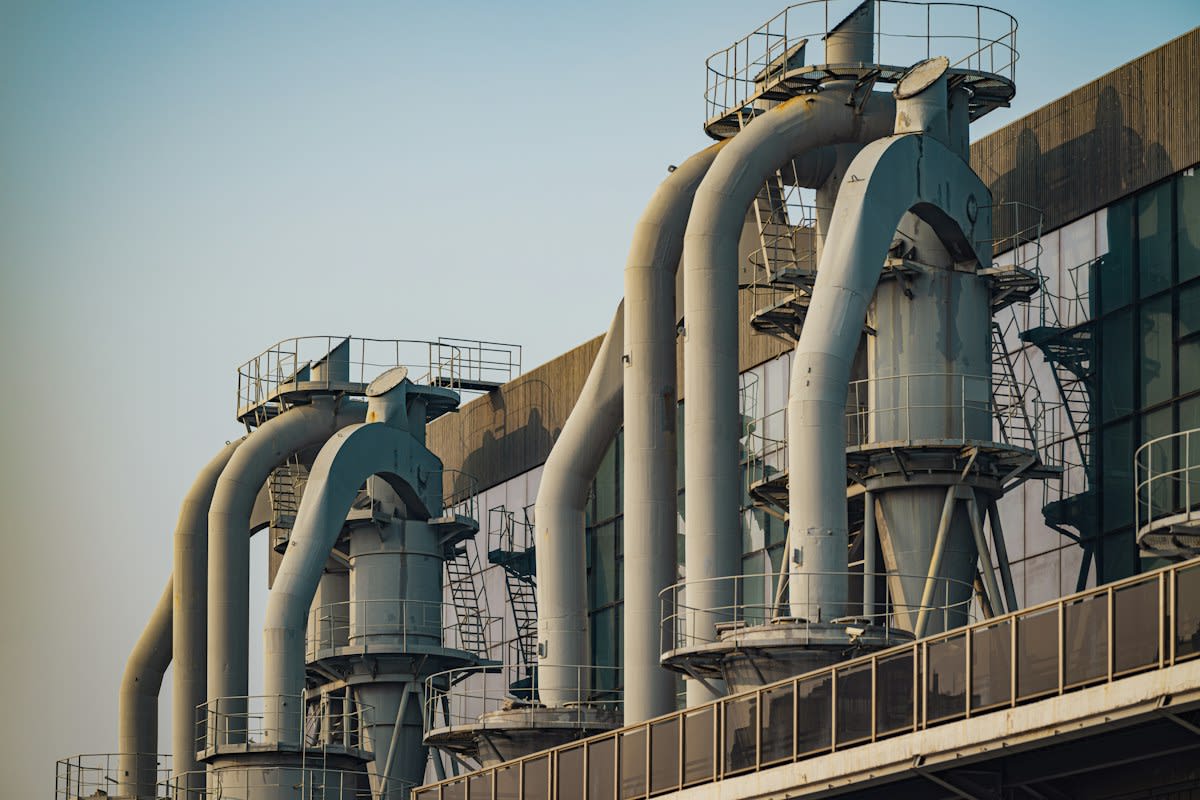
Rust-pitted machinery often ends up in scrap heaps before its utility expires. 0% of the carbon spent manufacturing a scrapped asset is recovered when it is melted down (Source: Sustainable Brands, 2026). Reusing industrial surplus prevents the carbon cost of new replacements. Manufacturers lose both the asset value and the embodied emissions when they scrap too early. Keeping equipment in the field longer reduces the need for new, energy-heavy manufacturing cycles. This is a practical path to decarbonization that avoids the cost of new steel and aluminum.
Industrial equipment carries a carbon footprint from the moment it is forged. When a usable asset is discarded, the energy invested in its creation is effectively wasted. This creates a hidden emission spike in the manufacturing sector. Recovery of surplus equipment allows firms to maintain productivity while slashing their scope 3 emissions. The goal is to extend the productive life of every pump, boiler, and turbine.
Mumbai and the Hardware Surge
Mumbai is emerging as a center for thermal hardware. INR 20 crore to INR 200 crore is the typical investment required to set up a heat exchanger manufacturing plant in India (Source: IMARC Group, 2026). These plants produce shell-and-tube, plate, and air-cooled exchangers. This hardware is essential for capturing waste steam in heavy industry. Without these tools, energy spent in chemical or textile plants simply vanishes into the air. The demand outlook is strong as Indian firms face tighter efficiency mandates.
Setting up these plants requires deep in-house machining, welding, and testing capabilities. The cost varies based on the pressure class of the equipment and the materials handled. As Mumbai expands its industrial zones, the need for copper-scented, high-efficiency exchangers grows. These tools allow factories to recycle their own heat or sell it to neighboring facilities. This creates a localized energy economy where waste becomes a revenue stream.
| Heat Source | Metric | Primary Driver | Region |
|---|---|---|---|
| Data Centers | 10% Reuse Factor | Energy Efficiency Act | Germany |
| Geothermal Pumps | 8% Market Demand | Municipal Decarbonization | Global |
| Industrial Plants | INR 20-200 Crore | Setup Investment | India |
| Industrial Logistics | 1.2M Sq Ft Absorption | Freight Activity | Chicago |
The move toward district energy is not limited to industrial waste. Geothermal heat pumps are now a key part of this equation. 8% of geothermal heat pump demand is driven by district heating networks (Source: IndexBox, 2026). Municipalities are using these systems to provide renewable baseload heating and cooling. In volcanic regions, deep geothermal wells provide a constant energy source. Hybrid systems now combine this with solar thermal and waste heat to ensure stability.
"After a period of softer demand, the overall Chicago industrial market has experienced an increase in activity that is expected to continue into year-end."— Pat Crowley, Broker at Brown Commercial Group
Chicago is seeing a rebound in industrial space that facilitates these energy moves. 1.2 million square feet of net absorption occurred in the O'Hare submarket over the last 12 months (Source: Brown Commercial Group, 2026). This growth is driven by logistics and improving freight activity. However, landlords are now offering more tenant improvement concessions to secure deals. This creates an opening for tenants to install energy-recovery systems as part of their lease agreements.
In Taden, France, the SUEZ project shows the future of energy-from-waste. The facility focuses on expanding heat recovery for local district heating networks (Source: SUEZ, 2026). By increasing energy production capacity, the plant strengthens local resilience. It reduces the reliance on landfills while providing a steady heat source for the community. This model turns waste management into a power utility for the surrounding city.
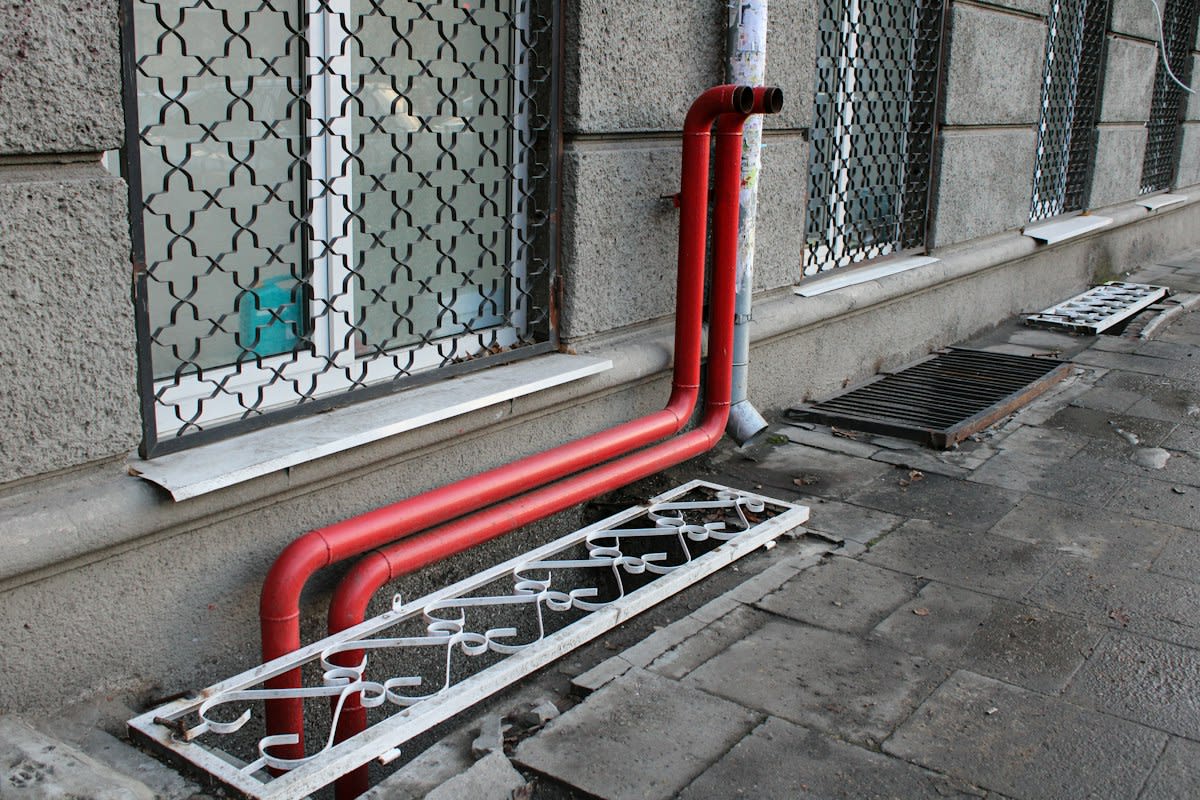
Walking through a grease-slicked plant floor, the friction is palpable. Plant managers argue that the cost of piping heat to a neighbor is higher than the value of the steam itself. They stand in sulfur-thick air, pointing at concrete-raw foundations that were not designed for new conduits. The debate is not about the physics of heat, but the physics of the balance sheet. Most engineers fear the downtime required to link their systems to a district grid.
Failure Points
- Thermal Proximity: Heat is useless if the buyer is too far from the source to justify piping costs.
- Legacy Infrastructure: Concrete-raw foundations in older plants cannot easily accommodate new heat conduits.
- CapEx Friction: High upfront costs for heat exchangers (up to INR 200 crore) deter small operators (Source: IMARC Group, 2026).
- Regulatory Lag: Many cities lack the zoning laws to allow private energy sales between neighboring factories.
The failure of these projects usually stems from a lack of infrastructure. Even if a data center has excess heat, it cannot sell it without a pipe in the ground. This is why municipal mandates, like those in Germany, are vital. They force the city to build the network, removing the risk from the individual operator. Without public-private partnerships, the cost of the last mile of piping kills the project.
Fact-Check & Accuracy Note
This report relies on 2026 data from DCD, IMARC Group, IndexBox, SUEZ, Brown Commercial Group, and Sustainable Brands. All statistics are cross-referenced with current industrial mandates and market reviews.