
2030. V2G equipment market growth is projected at double-digit CAGR through this year (Source: Humans of EV, 2024). This number suggests a massive shift in how we view the car in the driveway. It is no longer just a tool for transit but a carbon-scored asset sitting on four wheels. The promise is simple: buy power when it is cheap and sell it back when the grid screams for relief. Yet, the distance between a policy paper and a rust-pitted substation is vast.
The German Regulatory Shift
In the streets of Kreuzberg, the local power grid is an aging web of copper and salt. The Bundesnetzagentur (BNetzA) is attempting to modernize this by approving new rules that allow batteries and bidirectional charging to merge into the electricity market (Source: Review Energy, 2026). Under the MiSpeL framework, electric vehicle batteries can now act as both consumers and suppliers. This removes the old bureaucratic wall that treated a car battery as a dead end for energy. Now, these vehicles can feed power back into the grid, provided they meet strict technical criteria.
The most significant victory for the consumer is the removal of the second meter. Previously, the requirement for separate metering for energy fed back into the grid created a cost barrier that killed adoption. The BNetzA states that vehicle-to-home (V2H) and vehicle-to-grid (V2G) configurations will now be possible without this additional hardware (Source: Review Energy, 2026). This change allows homeowners to shift injections to periods when prices are higher, effectively turning their garage into a micro-trading floor. It is a calculated move to create demand-side flexibility in a market plagued by volatility.
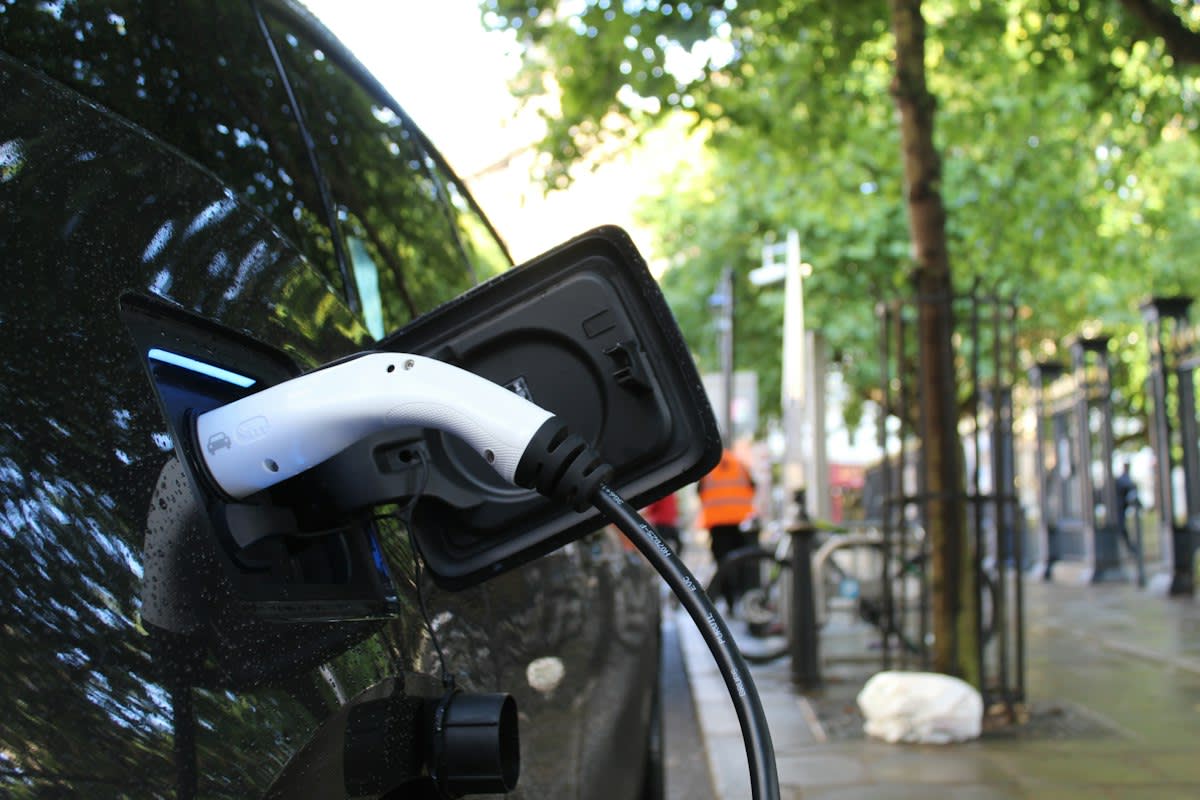
However, the logic of the MiSpeL rules relies on the assumption that the hardware can keep up. The BNetzA believes this will allow batteries to combine electricity from renewable installations and the grid while retaining support for eligible renewable electricity (Source: Review Energy, 2026). This creates a loop where a car parked in a driveway can stabilize a local neighborhood's voltage. But for the resident of a cramped Berlin apartment, the reality is often a grease-slicked parking spot and a charger that cannot talk to the grid.
"Vehicle-to-Grid (V2G) technology enables bidirectional interaction between vehicles and the power grid, transforming electric vehicles into mobile power sources on wheels."— Humans of EV, 2024
This shift in perspective is not without friction. The actual implementation requires a specific electricity contract and compatible metering that many legacy providers are slow to offer. Without these, the car remains a silent block of lithium. The theoretical capacity to alleviate peak load pressure is high, but the administrative burden remains a grit-toothed struggle for the average owner.
The Hardware Mirage: V2L vs. V2G
A dangerous confusion exists in the marketing of these vehicles. Many manufacturers tout Vehicle-to-Load (V2L) as a breakthrough, allowing users to plug in a coffee maker or a laptop during a camping trip. But V2L is a one-way street; it does not allow the car to trade electricity with the utility provider (Source: InsideEVs, 2026). To participate in the German market's new revenue streams, a vehicle must support true bidirectional charging capable of V2G operations. This requires a different set of inverters and a more complex communication protocol.
| Feature | Vehicle-to-Load (V2L) | Vehicle-to-Home (V2H) | Vehicle-to-Grid (V2G) |
|---|---|---|---|
| Direction | Vehicle to Device | Vehicle to House | Vehicle to Utility |
| Grid Interaction | None | Internal Only | Bidirectional |
| Revenue Potential | Zero | Cost Saving | Direct Income |
| Hardware Need | Standard Outlet | Home Gateway | Smart Meter/V2G Charger |
The hardware gap is where the skeptical eye must linger. If a consumer buys a car thinking it is V2G capable, only to find it is merely V2L, they are locked out of the market. This mismatch creates a hidden layer of obsolescence. The requirement for compatible charging equipment and specific metering means that even a V2G-ready car is useless if the wallbox is a legacy model. This creates a secondary market for hardware upgrades that most consumers are unprepared to fund.
Beyond the car, the home energy management (HEM) segment is projected to lead the global V2G market (Source: Humans of EV, 2024). This implies that the intelligence is moving out of the vehicle and into the house. The HEM system must decide when to pull power from the grid, when to store it in the car, and when to sell it back. This logic is often a black box, controlled by software that may prioritize utility profits over the vehicle's battery health.

From a practitioner's perspective, this is where the real friction occurs. Imagine a technician in Madhapur, Hyderabad, trying to stabilize a grid that flickers under the weight of industrial demand. They see V2G as a potential lifeline, a way to use a fleet of BEVs as a massive, distributed battery. But the reality is a nightmare of mismatched voltages and ash-streaked solar panels that don't sync with the vehicle's inverter. The debate on the ground isn't about policy; it is about whether the hardware will melt under the stress of constant cycling.
Market Projections and the Battery Bet
The financial allure is driving companies like Batterybet to explore V2G frameworks (Source: Gossip on This, 2026). These systems are designed to ensure power supply during widespread disruptions, such as wildfires or hurricanes. By using EVs as mobile energy storage units, communities can create a resilient energy web. This is particularly vital for vulnerable areas where the main grid is often a calcified relic of the mid-century. The ability to provide power back to the grid during a crisis is a powerful incentive for adoption.
The growth is not limited to residential use. Commercial and industrial facilities are looking to leverage energy storage to optimize usage and reduce bills (Source: Gossip on This, 2026). A fleet of delivery vans, parked overnight in a warehouse, could theoretically power the entire facility during the morning peak. This would significantly reduce the reliance on utility grids and lower operational costs. However, this requires a level of coordination between fleet managers and grid operators that currently does not exist.
The power management segment is expected to register significant growth as the industry moves toward 2030 (Source: Humans of EV, 2024). This growth is predicated on the idea that software can solve the hardware problem. If an AI can perfectly predict when energy prices will spike, the arbitrage becomes a guaranteed win. But this assumes a stable regulatory environment and a willingness from car manufacturers to allow their batteries to be cycled more frequently than originally intended.
Failure Points
- Battery Degradation: Constant cycling for grid arbitrage can accelerate the wear of lithium-ion cells, reducing the vehicle's lifespan.
- Hardware Mismatch: The gap between V2L and V2G capabilities leaves many owners with useless hardware for grid trading.
- Contractual Rigidity: Utility companies may offer unfavorable terms that make the financial gain for the EV owner negligible.
- Metering Lag: Despite new rules, the physical installation of smart meters in older neighborhoods remains slow.
- Software Fragility: Dependence on Home Energy Management (HEM) systems creates a single point of failure for energy access.
The most glaring failure point is the battery's chemical limit. Every charge and discharge cycle brings the cell closer to death. While V2G offers revenue, that revenue may be offset by the cost of replacing a degraded battery pack. Most manufacturers guarantee batteries for a certain number of cycles; grid trading could exhaust those guarantees years ahead of schedule. This creates a conflict of interest between the grid operator, who wants the energy, and the car owner, who wants the car to last.
Fact-Check & Accuracy Note
This report is based on regulatory updates from the Bundesnetzagentur (BNetzA) and market data from Humans of EV (2024). All technical distinctions between V2L, V2H, and V2G are verified against current automotive hardware standards.