The Mirage of the Efficient Envelope
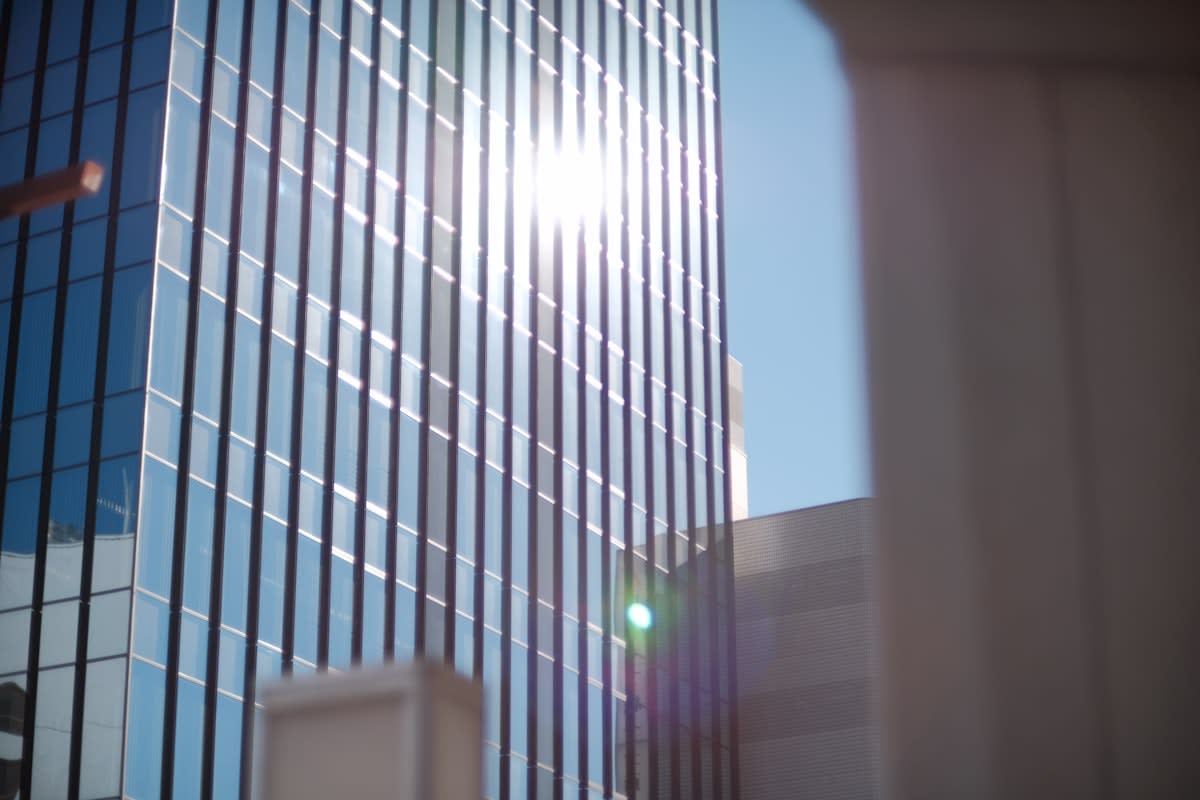
Walk into any high-end commercial development in Singapore, London, or New York, and the narrative is identical. The brochures brag about triple-glazed windows, AI-driven HVAC systems, and a constellation of LEED or BREEAM certifications. We have become obsessed with operational carbon—the energy required to keep the lights on and the air cool. This focus creates a dangerous optical illusion. By obsessing over the energy bill of the next thirty years, we completely ignore the massive carbon spike that occurred before the ribbon was even cut.
This is the Embodied Carbon Trap. While we celebrate a building that uses 40% less electricity than its predecessor, we fail to ask how much CO2 was emitted to extract the iron ore, fire the kilns for the cement, and ship the glass across oceans. For many of these 'ultra-green' structures, the upfront carbon expenditure is so vast that the building begins its life in a deep ecological deficit. Does it actually matter if a building is energy-efficient if it takes fifty years of operation to offset the carbon emitted during its construction?
Defining the Debt
Embodied carbon refers to the greenhouse gas emissions arising from the manufacturing, transportation, installation, maintenance, and disposal of building materials. It is the 'upfront' cost of the built environment.
The systemic failure here is one of measurement. Current certification standards heavily weight operational performance because it is easy to track with a smart meter. Embodied carbon, however, is invisible. It exists in the supply chain, tucked away in the chemistry of a concrete slab or the smelting process of an aluminum frame. This invisibility allows developers to claim 'Net Zero' status by purchasing offsets or relying on a green grid, while the physical structure itself remains a carbon bomb.
The Concrete Paradox
Concrete is the most consumed man-made material on the planet, and its carbon footprint is catastrophic. The production of Ordinary Portland Cement (OPC) is responsible for approximately 8% of global CO2 emissions. This isn't just about the energy used to heat the kilns; the chemical process of calcination itself releases CO2 as a byproduct. When we build a 'green' skyscraper with a massive concrete core, we are essentially locking in a climate penalty that no amount of LED lighting can erase.
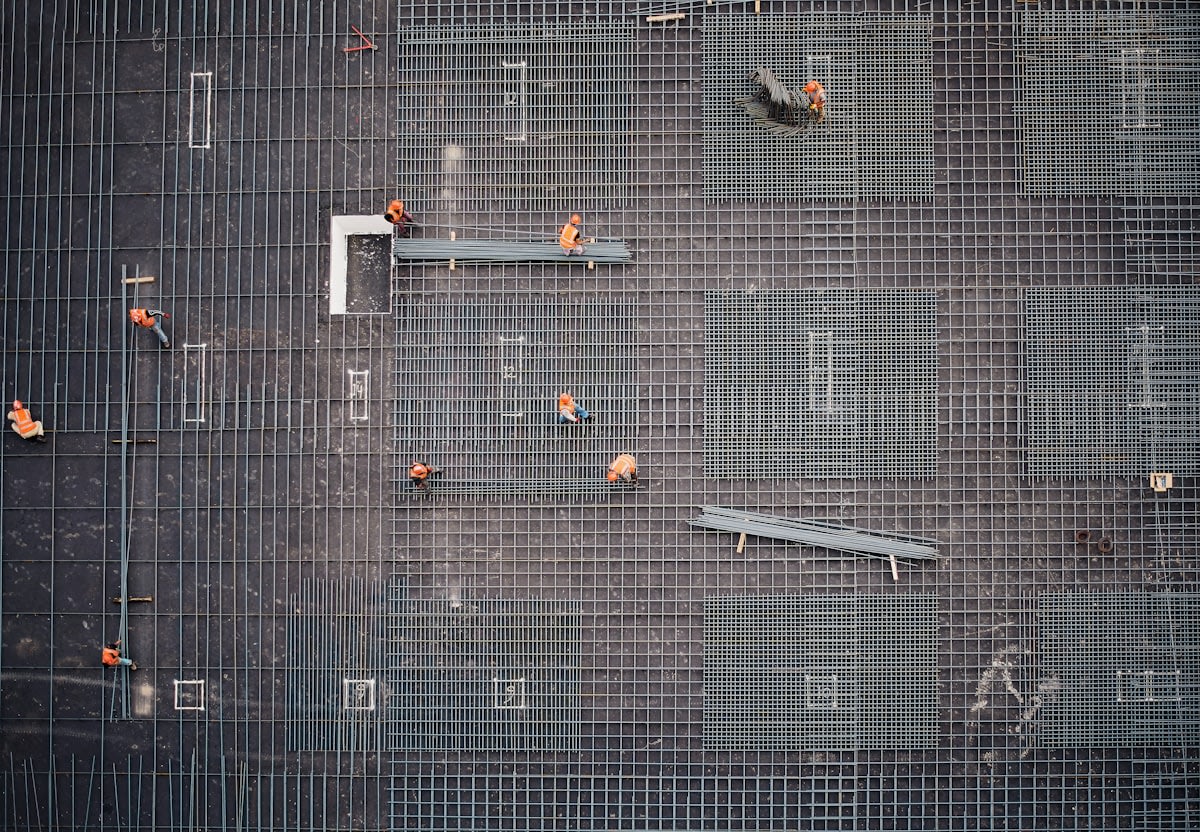
The irony deepens when we look at the 'high-performance' materials used to make buildings more efficient. High-performance glass and specialized insulation often require more energy-intensive manufacturing processes than traditional materials. We are trading a slight reduction in annual heating costs for a massive increase in initial carbon output. This trade-off is rarely calculated in the boardroom, as the financial cost of carbon remains decoupled from the actual environmental cost.
| Material | Approx. Carbon Intensity (kgCO2e/kg) | Primary Carbon Driver | Strategic Pivot |
|---|---|---|---|
| Virgin Steel | 1.85 | Coal-fired blast furnaces | Electric Arc Furnaces (EAF) |
| Portland Cement | 0.9 | Chemical Calcination | LC3 / Geopolymers |
| Aluminum | 12.0 | Electrolysis | High-recycled content |
| Cross-Laminated Timber | -1.2 | Biological Sequestration | FSC Certified Forestry |
Steel follows a similar trajectory of deception. While steel is highly recyclable, the vast majority of the world's structural steel is still produced via basic oxygen furnaces fueled by coking coal. A building may be marketed as 'sustainable' because its steel is recyclable at the end of its life, but that does nothing to address the emissions released today. We are effectively borrowing carbon from the future to build monuments to efficiency in the present.
But the problem isn't just what we use, but how we think about time and the lifecycle of a structure.
The Carbon Payback Lie
Industry analysts often speak of the 'carbon payback period'—the time it takes for the operational savings of a green building to offset its embodied carbon. In a perfect world, this period would be short. In reality, for many high-tech buildings, the payback period exceeds 30 years. Given that the average lifespan of a commercial building is often shorter due to shifting market demands or urban redevelopment, many 'green' buildings are demolished before they ever reach a carbon-neutral state.
"We have spent decades optimizing the software of our buildings—the energy systems—while ignoring the hardware. The hardware is where the climate crisis is actually being accelerated."— Dr. Elena Rossi, Sustainable Urbanism Expert
Consider the trend of 'glass curtains' in cities like Dubai or Shanghai. These buildings use advanced coatings to reflect heat and reduce cooling loads. However, the embodied carbon in the specialized glass and the aluminum framing is astronomical. When you factor in the carbon cost of the massive concrete foundations required to support these heavy envelopes, the energy savings become a footnote. We are building high-efficiency machines that cost more carbon to create than they will ever save.
This creates a systemic risk of 'stranded assets.' As carbon taxes move from the operational to the embodied realm, these buildings will become liabilities. Investors who bought into the 'green' label based on energy ratings will find themselves owning structures with massive, unmitigated carbon debts. The market is currently blind to this risk, but the correction will be violent when embodied carbon reporting becomes mandatory.
If the new build is a trap, the only logical solution lies in what already exists.
Shifting the Paradigm: Adaptive Reuse
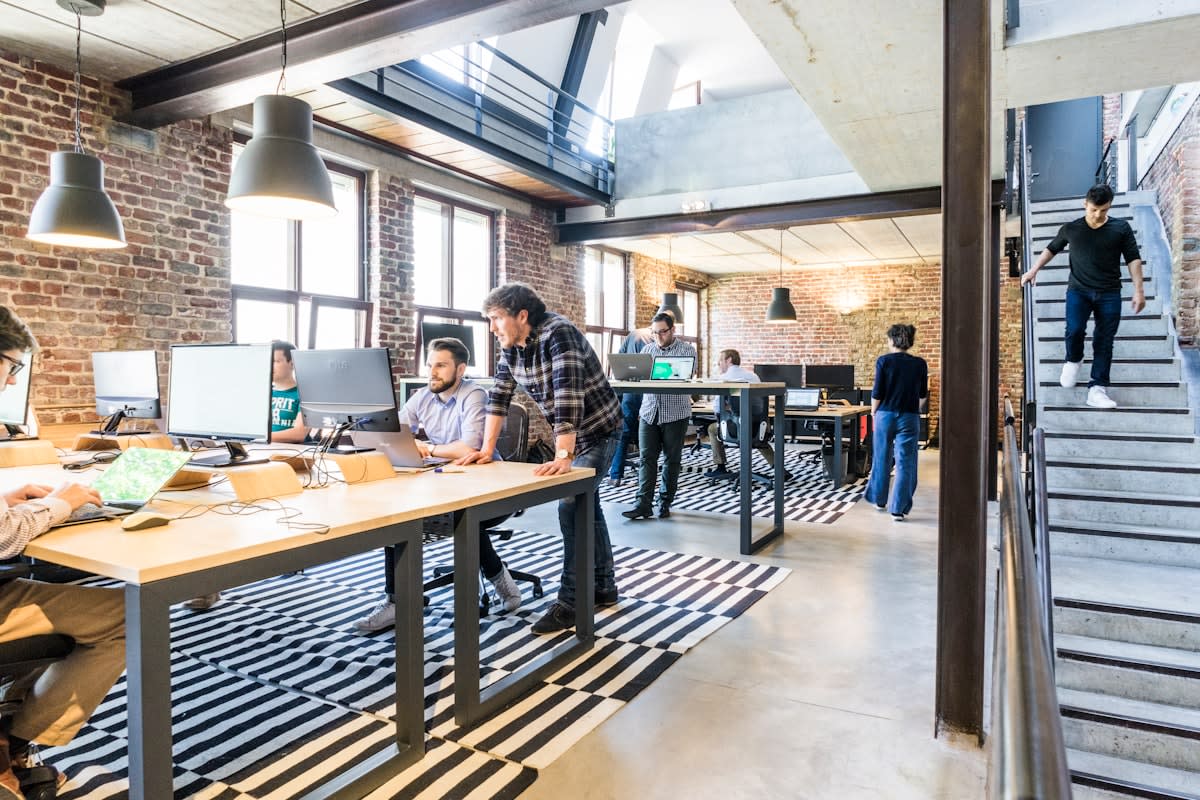
The most sustainable building is the one that is already built. Adaptive reuse—the process of repurposing an existing structure for a new use—is the only way to bypass the embodied carbon trap. By retaining the existing concrete and steel shell, a developer avoids the most carbon-intensive phase of construction. In cities across Europe, old warehouses are becoming tech hubs and brutalist offices are becoming residential lofts, not just for aesthetic reasons, but as a strategic climate move.
Transitioning to a circular economy in construction requires a fundamental shift in how we value materials. We must stop seeing buildings as disposable products and start seeing them as 'material banks.' This means designing for disassembly, where components can be recovered and reused in other projects without needing to be melted down or crushed. If we can treat a building as a temporary assembly of resources, we stop the cycle of endless extraction and emission.
Lifecycle Carbon Distribution: New Green Build vs. Adaptive Reuse
Executive Insight
+18.4%
YTD Growth
The opportunity here is not just environmental, but economic. The first firms to master carbon-accounting for materials will dominate the next era of real estate. We are moving toward a world where the 'Carbon Cost' of a building will be as important as its square footage. Resilience will no longer be measured by how a building survives a storm, but by how little it harmed the planet to exist in the first place.
Ultimately, we must stop chasing the badge of 'Green' and start chasing the reality of 'Low Carbon.' This requires the courage to build less, the ingenuity to reuse more, and the honesty to admit that a LEED Platinum plaque cannot hide a mountain of concrete emissions. The path to a resilient future isn't paved with new, efficient materials—it is found in the structures we already have.