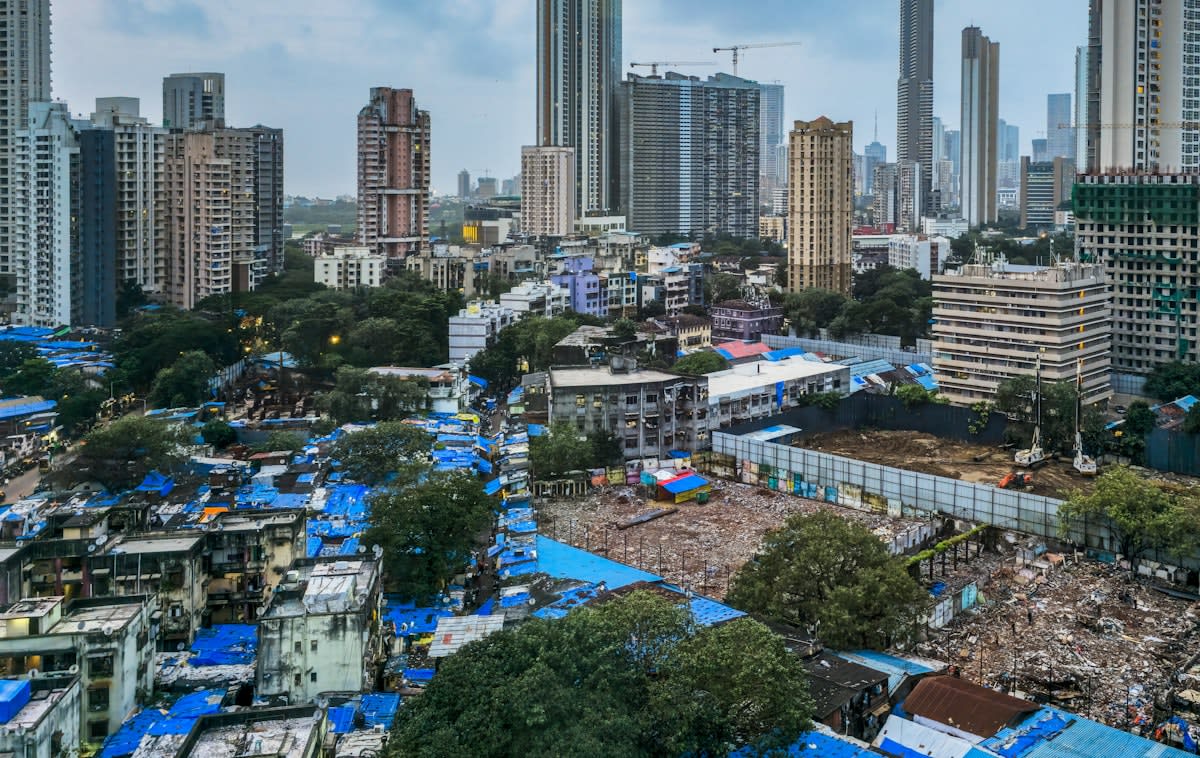
The tipping point arrived this month. Across the sprawling urban centers of the Global South, the traditional reliance on mechanical cooling is hitting a hard ceiling. We are seeing a sudden, sharp pivot away from the air conditioning unit—once the ultimate symbol of middle-class aspiration—toward a sophisticated return to passive architecture. This is not a nostalgic retreat to the past, but a calculated survival strategy. The delta is clear: while last year's conversations focused on making AC more efficient, this month's architectural mandates in emerging economies are focusing on eliminating the need for it entirely.
Why now? The mathematics of the power grid simply no longer add up. In many rapidly urbanizing regions, the surge in AC adoption has created a lethal feedback loop. These machines pump heat out of individual rooms and dump it directly into the streets, raising the ambient outdoor temperature and forcing the units to work even harder. It is a thermodynamic treadmill that the current energy infrastructure cannot sustain. When the grid fails during a heatwave, the AC-dependent building becomes a glass oven, whereas the passive building remains a sanctuary.
The Breaking Point of Mechanical Cooling
Consider the sheer fragility of the current model. Mechanical cooling relies on a precarious chain of stable electricity, expensive refrigerants, and constant maintenance. In the Global South, where energy volatility is a daily reality, this dependency is a liability. We are observing a shift in priority from 'maximum cooling' to 'thermal resilience.' Architects are no longer asking how to cool a room, but how to prevent the room from heating up in the first place. This represents a fundamental change in the philosophy of habitation.
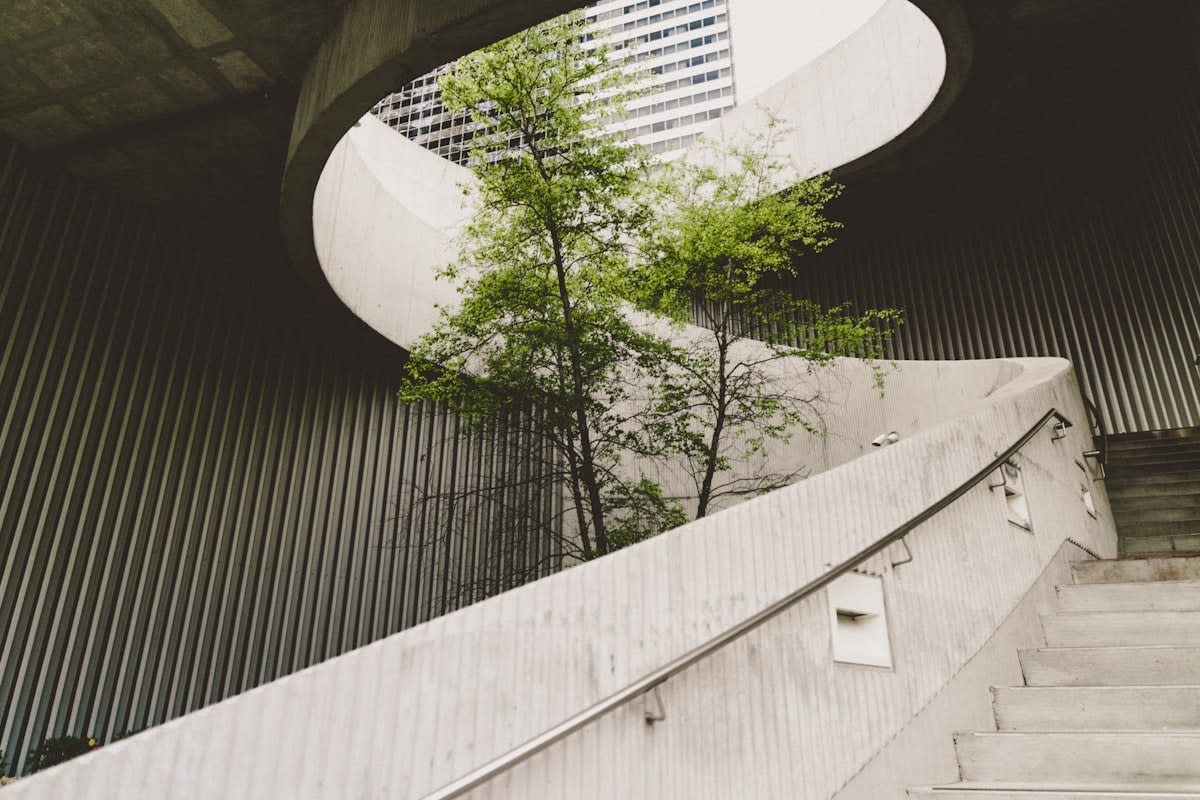
The environmental cost is the other driver. Hydrofluorocarbons (HFCs) used in traditional AC units are potent greenhouse gases that accelerate the very warming they are designed to mitigate. This irony has become impossible to ignore for urban planners in Southeast Asia and Sub-Saharan Africa. The shift we are seeing this month is driven by a realization that the 'cooling gap' cannot be closed by simply adding more machines. The only scalable solution is to change the skin and bones of the buildings themselves.
"We have spent fifty years trying to fight the climate with a plug in the wall. The new era is about designing buildings that breathe, using the wind and the earth as our primary HVAC system."— Lead Architect, Urban Resilience Initiative
The Vernacular Renaissance
The current trend is a marriage of ancestral knowledge and high-tech simulation. In the Middle East and North Africa, the 'Badgir' or wind tower is making a high-tech comeback. These structures capture high-altitude breezes and funnel them downward, often over water basins, to naturally cool the interior. Today, these are being optimized with computational fluid dynamics (CFD) to maximize airflow in dense urban grids. The result is a building that maintains a temperature 5 to 10 degrees Celsius lower than the street without using a single watt of power.
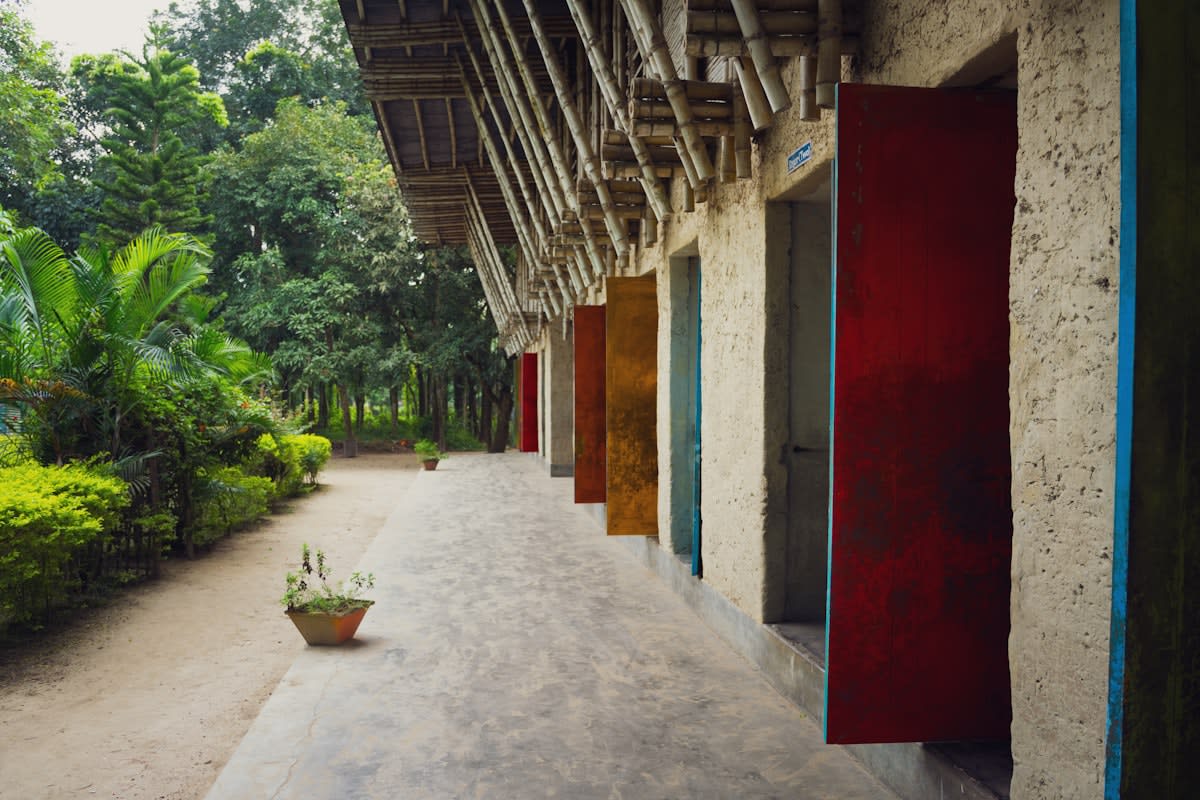
Thermal mass is the other silent hero of this shift. By using materials like compressed earth blocks or thick stone in regions with high diurnal temperature swings, buildings can absorb heat during the day and release it slowly at night. This creates a stable interior climate that renders the sudden 'blast' of an AC unit unnecessary. We are seeing this implemented in new social housing projects across Latin America, where traditional adobe techniques are being reinforced with modern stabilizers to meet safety codes while retaining their cooling properties.
Redefining Comfort
Thermal comfort is not a fixed number on a thermostat. It is a combination of air velocity, humidity, and radiant temperature. Passive architecture optimizes for the human experience, not a digital setting.
Ventilation strategies are also evolving. The simple 'open window' approach is being replaced by strategic cross-ventilation and the 'stack effect,' where warm air is allowed to escape through high-level openings, drawing cooler air in from below. In the Mekong Delta, new commercial builds are incorporating elevated floors and permeable facades that allow the wind to scrub the building of heat. This approach transforms the building from a sealed box into a living filter.
The Economic Imperative
The financial argument is becoming undeniable. While the initial capital expenditure for a high-performance passive building can be 5% to 12% higher than a standard concrete box, the operational savings are astronomical. In regions where electricity costs are volatile or subsidies are being phased out, the 'Passive Dividend' becomes a primary driver for developers. A building that requires zero cooling energy is a building with a guaranteed lower overhead for the next fifty years.
| Metric | Traditional AC Model | Passive Architecture Model |
|---|---|---|
| Initial Capex | Low to Moderate | Moderate to High |
| Annual OpEx | High (Electricity + Maintenance) | Near Zero |
| Environmental Impact | High (GHGs & Heat Waste) | Low to Negative |
| System Lifespan | 10-15 Years | 50-100 Years |
| Grid Dependency | Absolute | Minimal to None |
This economic shift is reflected in the rise of new building certifications. We are seeing a surge in 'Passive House' and 'EDGE' certifications in cities like Nairobi, Jakarta, and Bogota. These aren't just trophies for the wealthy; they are becoming requirements for institutional investors who view energy-inefficient buildings as 'stranded assets.' The market is beginning to price in the risk of climate-driven energy failure, making passive design a hedge against future instability.
Growth in Passive Cooling Certifications (Global South)
Executive Insight
+18.4%
YTD Growth
The ripple effect is now reaching the industrial sector. Large-scale warehouses and factories in the Global South are abandoning massive AC plants in favor of sawtooth roofs and solar chimneys. These designs use the sun's own energy to pull hot air out of the building, creating a natural vacuum that draws in cool air from shaded courtyards. By reducing the energy load of industrial cooling by up to 60%, these companies are significantly improving their bottom line while reducing their carbon footprint.
Beyond the Building: The Urban Scale
The shift is finally moving from the individual building to the urban plan. City planners are realizing that the arrangement of buildings is just as important as the materials used to build them. By creating 'wind corridors' and preserving green lungs, cities can lower the overall ambient temperature of a neighborhood. This is the concept of the 'Cool City,' where the urban fabric is designed to facilitate air movement rather than block it with monolithic glass towers.
Green infrastructure is the final piece of the puzzle. The integration of vertical forests and permeable pavements helps combat the urban heat island effect through evapotranspiration. When plants release water vapor, they cool the surrounding air, providing a natural form of air conditioning for the entire street. This systemic approach ensures that the benefits of passive architecture aren't confined to the wealthy few but are shared across the urban population.
The transition is not without its challenges. There is a deep-seated cultural bias that equates AC with modernity and prestige. Overcoming this requires a narrative shift—rebranding passive design not as 'low-tech' or 'traditional,' but as 'intelligent' and 'autonomous.' The goal is to move from a culture of consumption to a culture of optimization. When the most prestigious building in the city is the one that stays cool without a power cord, the psychological shift will be complete.
Looking ahead, the integration of phase-change materials (PCMs) promises to take passive cooling to the next level. These materials can absorb and release thermal energy at specific temperatures, acting like a 'thermal battery' for the building. When integrated into walls or ceilings, they can flatten the temperature curve of a room, keeping it comfortably cool during the peak of the day and releasing that heat during the cooler night hours.
The Great Cooling Shift is an admission that the industrial-era approach to climate control has failed. By embracing the physics of the environment and the wisdom of the past, the Global South is leapfrogging the energy-intensive mistakes of the West. This is more than an architectural trend; it is a blueprint for resilience in an era of volatility. The buildings of the future will not fight the heat—they will dance with it.