
We have spent the last two years mesmerized by the ethereal nature of the cloud. The narrative suggests that intelligence is now a software problem, a matter of weights, biases, and tokenization. But look closer. Behind every prompt is a humming warehouse of H100s drawing massive currents of electricity that would make a small city blush. The digital gold rush has hit a physical wall. We are witnessing a collision between the exponential growth of compute and the linear, sluggish reality of electrical infrastructure.
For decades, the tech industry operated under the assumption that power was a utility—invisible, infinite, and cheap. That illusion is shattering. In the boardrooms of the world's largest hyperscalers, the conversation has shifted from 'how many GPUs can we buy' to 'where on earth is there a substation with enough headroom to support them?' This is not a localized glitch in Northern Virginia or Dublin; it is a systemic failure of global energy planning. We are attempting to overlay a high-frequency, high-demand AI layer onto a grid designed for the steady, predictable loads of the industrial age.
The Hardware Wall and the Energy Delta
The energy delta between traditional computing and generative AI is staggering. A standard search query is a lightweight operation, a quick index lookup. An AI-generated response, however, is a computationally expensive act of creation. According to the International Energy Agency (IEA), a single ChatGPT query requires nearly ten times the electricity of a traditional Google search (Source: IEA, 2024). Multiply this by billions of users, and the mathematical trajectory becomes clear. We aren't just adding a new load to the grid; we are fundamentally changing the shape of demand.
| Operation Type | Estimated Energy per Request | Relative Increase |
|---|---|---|
| Standard Keyword Search | 0.3 Wh | Baseline |
| AI-Generated Response | 2.9 Wh | ~966% |
| Complex Image Generation | 15-20 Wh | ~5000%+ |
Is this a reason for panic? No. But it is a reason for a strategic pivot. The industry is now grappling with the reality that energy efficiency at the chip level—while important—cannot keep pace with the scale of deployment. Even as Nvidia and AMD squeeze more performance per watt, the sheer volume of chips being deployed creates a net increase in power demand. The bottleneck has migrated from the silicon to the socket.
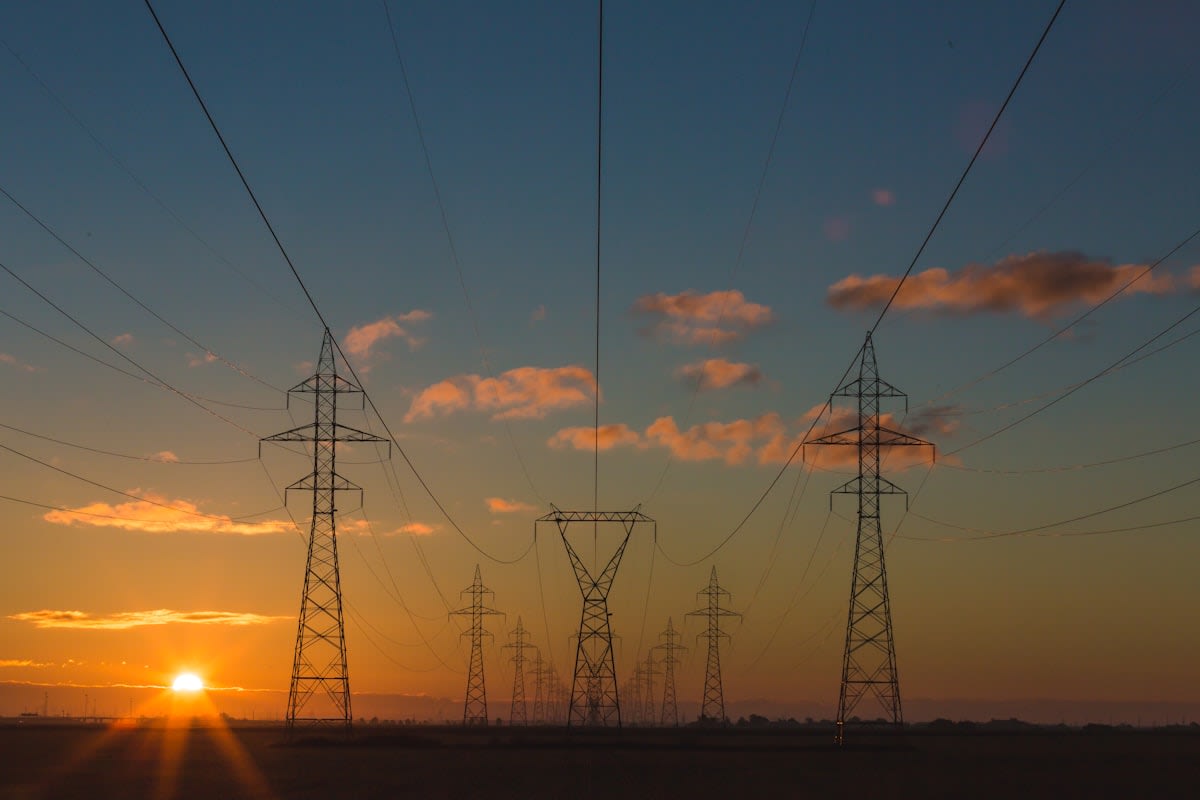
This pressure is felt globally, though the symptoms vary. In the European Union, strict environmental mandates and fragmented national grids make rapid scaling a regulatory nightmare. In India, the challenge is one of baseline stability and rapid urbanization. In the United States, the issue is an antiquated transmission system that cannot move renewable energy from the windy plains to the data-hungry coasts. The result is a new form of digital divide: compute-rich zones and compute-poor zones, determined entirely by the proximity of high-voltage substations.
"The world is moving from a period of energy abundance to a period of energy competition. AI is not just a consumer of power; it is now a primary driver of how we will rebuild the global energy architecture."— Analysis from the International Energy Agency (IEA) Electricity Report
The conversation is shifting. We are no longer talking about 'green energy' as a corporate social responsibility goal, but as a survival strategy. If you cannot secure a stable, carbon-neutral power source, your data center is a stranded asset. This is driving a desperate search for baseload power that doesn't flicker when the wind stops blowing.
The Interconnection Queue: A Practitioner's Nightmare
To understand the ground-level friction, you have to look at the interconnection queue. For those of us who have spent time in the trenches of industrial infrastructure, this is where the AI dream goes to die. You can have the capital, the land, and the latest GPUs, but if the local utility tells you it will take seven years to upgrade the transformer or build a new transmission line, your project is dead in the water. The debate among practitioners isn't about 'AI ethics'; it's about the lead times for high-voltage switchgear and the availability of specialized electrical engineers.
This friction creates a perverse incentive. Instead of building where it makes sense for the community or the environment, companies are chasing 'power pockets'—remote areas with dormant industrial power capacity. We are seeing a gold rush for old steel mills and defunct factories, not because of the buildings, but because they already have a 100MW connection to the grid. It is a scavenger hunt for copper.
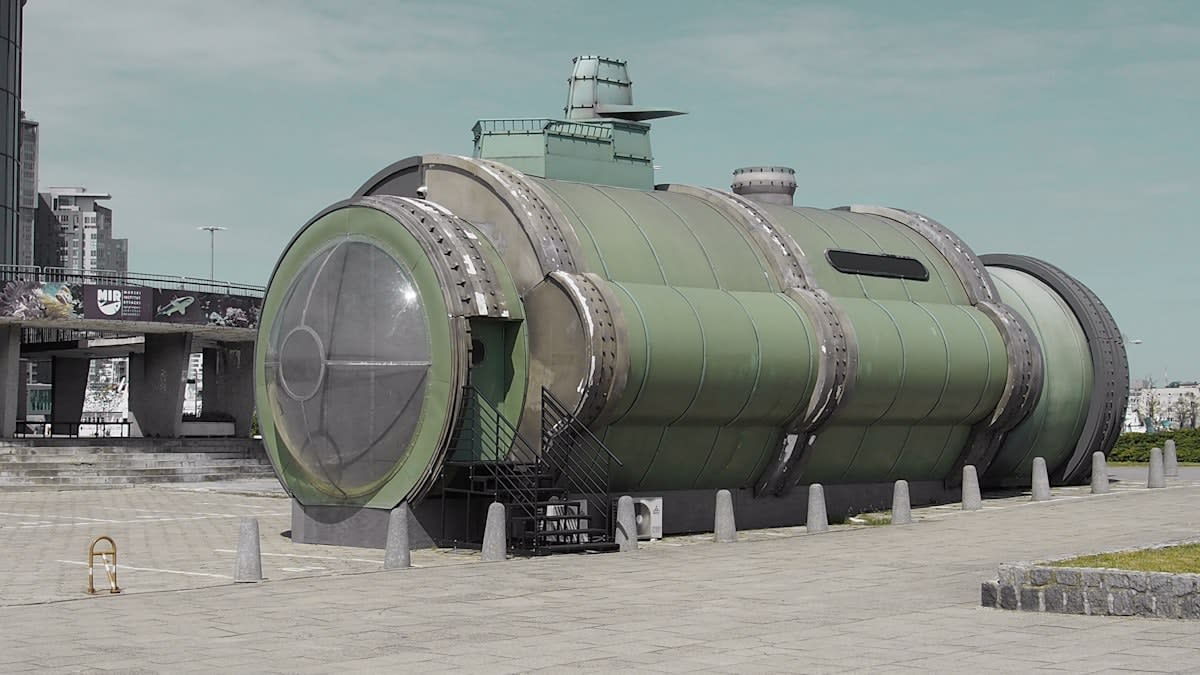
This systemic constraint is triggering what I call the 'Nuclear Pivot.' We are seeing a resurgence of interest in Small Modular Reactors (SMRs) and the reopening of shuttered nuclear plants. Why? Because AI requires baseload power—constant, unwavering electricity—that solar and wind cannot provide without massive, currently non-existent battery storage. The strategic move here is vertical integration: Big Tech is no longer just buying electricity; they are becoming energy producers.
Goldman Sachs estimates that AI could drive a 160% increase in data center power demand by 2030 (Source: Goldman Sachs Research, 2024). This isn't just a trend; it's a total reconfiguration of the energy market. When the largest companies in the world start investing in nuclear fission to power their chatbots, the game has fundamentally changed.
The Contrarian View: AI as the Grid's Savior
While the mainstream narrative focuses on the 'drain' AI puts on the grid, there is a more interesting, contrarian possibility: AI might be the only tool capable of fixing the grid. Our current electrical systems are managed by legacy software and human operators following 50-year-old playbooks. They are incapable of handling the volatility of renewable energy. AI, however, thrives on complex, real-time optimization.
Imagine a grid that uses AI to predict demand spikes in milliseconds, automatically rerouting power from electric vehicle fleets or industrial batteries to prevent brownouts. The very technology that is straining the system may be the only thing that can make a 100% renewable grid viable. The 'Grid Gap' is therefore not just a hurdle, but a catalyst. It is forcing a modernization that was politically and financially impossible a decade ago.
The real winners of the next decade won't be the companies with the best models, but the ones who master the energy-compute nexus. The competitive advantage has shifted from software engineering to energy engineering. Those who can navigate the regulatory sludge of utility commissions and secure long-term, carbon-free power will hold the keys to the kingdom.
Fact-Check & Accuracy Note
Key claims regarding AI power consumption per query are sourced from the International Energy Agency's 2024 reports. Projections for data center growth are based on 2024 analysis from Goldman Sachs Research. There is ongoing industry debate regarding the actual efficiency gains of next-generation chips (e.g., Blackwell architecture) and whether these will offset the increase in total compute volume.
Editorial Note
This article adopts a Strategic Analyst perspective, focusing on systemic infrastructure shifts rather than short-term market volatility. The analysis prioritizes the 'physicality' of AI over its virtual capabilities to highlight the overlooked constraints of the energy transition.