The Illusion of the Lithium Era
For a decade, the narrative of the green revolution was written in lithium. We called it white gold, treating it as the singular, indispensable catalyst for a carbon-free future. Every electric vehicle (EV) strategy and grid-scale storage project bet on the same volatile chemistry. But this obsession created a dangerous systemic fragility. By tethering the entire global energy transition to a handful of brine pools in the Andes and hard-rock mines in Australia, the industry didn't build a sustainable future; it simply swapped one extractive dependency for another.
Why did we ignore the alternatives? The answer is simple: energy density. Lithium is light, small, and efficient, making it the perfect candidate for the luxury EV market where range anxiety is the primary psychological barrier. However, the pursuit of the 'perfect' battery blinded strategists to the 'good enough' battery. While engineers chased an extra fifty miles of range, the cost of raw materials skyrocketed, and the supply chain became a geopolitical weapon. The market reached a tipping point where the marginal utility of lithium's density no longer justified its exponential cost and scarcity.
"The transition to sodium isn't a failure of lithium technology; it is a triumph of economic pragmatism over engineering perfection."— Strategic Energy Analyst
Now, the tide is turning. The industry is realizing that not every application requires a high-performance racing battery. A city bus in Mumbai, a warehouse robot in Rotterdam, or a solar farm in the Atacama Desert does not need the extreme energy density of a high-end Tesla. They need reliability, safety, and, above all, a price point that allows for mass deployment. This is where sodium enters the frame, offering a chemistry that is fundamentally decoupled from the scarcity of the Lithium Triangle.
The Geopolitics of Abundance
Sodium is everywhere. It is the primary component of common table salt, available in every ocean and salt flat on the planet. Unlike lithium, which is concentrated in a few specific geological anomalies, sodium is globally ubiquitous. This shifts the power dynamic from the mine owners to the manufacturers. When the raw material is a commodity available in every jurisdiction, the ability to scale is no longer limited by who owns the land, but by who owns the intellectual property of the cell design.
China has already recognized this systemic shift. By aggressively investing in sodium-ion (Na-ion) research through giants like CATL, they are insulating their domestic market from the price swings of the global lithium spot market. This isn't just about cost; it's about strategic autonomy. If a trade war or a diplomatic rift cuts off lithium imports, a sodium-based infrastructure keeps the lights on. Other regions, particularly in Europe and India, are now scrambling to build similar salt-based hedges to avoid total dependence on a single mineral pipeline.
| Metric | Lithium-Ion (NMC) | Sodium-Ion (Na-ion) |
|---|---|---|
| Relative Abundance | Low (Concentrated) | Extreme (Ubiquitous) |
| Estimated Cost | High (Volatile) | 30-40% Lower |
| Energy Density | High (250+ Wh/kg) | Moderate (140-160 Wh/kg) |
| Thermal Stability | Moderate (Risk of Fire) | High (Safer) |
| Low Temp Performance | Poor (Capacity Drop) | Excellent (Stable) |
The data reveals a clear divide in utility. While lithium wins on raw power per kilogram, sodium wins on every metric that matters for systemic scaling. The ability of sodium batteries to operate in freezing temperatures without the massive capacity drop seen in lithium cells makes them an obvious choice for northern climates. Why force a fragile chemistry into a Siberian winter when a salt-based alternative thrives in the cold?
This transition is moving from the lab to the assembly line faster than the market expects. We are seeing the first generation of budget EVs incorporating sodium cells to slash entry prices. By removing the lithium premium, the 'affordable EV' finally becomes a reality rather than a marketing promise.
Strategic Insight
The 'Good Enough' Paradox: In engineering, the drive for perfection often creates a bottleneck. By accepting a slightly heavier battery, the world unlocks a 1,000x increase in material availability, effectively solving the scaling problem of the energy transition.
Beyond the Range Anxiety
Range anxiety is a consumer psychology problem, not a technical one. For the vast majority of urban commutes, a 200-mile range is more than sufficient. The industry's obsession with 500-mile ranges has led to over-engineering and wasteful resource allocation. Sodium-ion batteries, with their moderate density, are perfectly calibrated for the micro-mobility sector. Electric scooters, city cars, and short-haul delivery vans don't need lithium's intensity; they need sodium's economy.
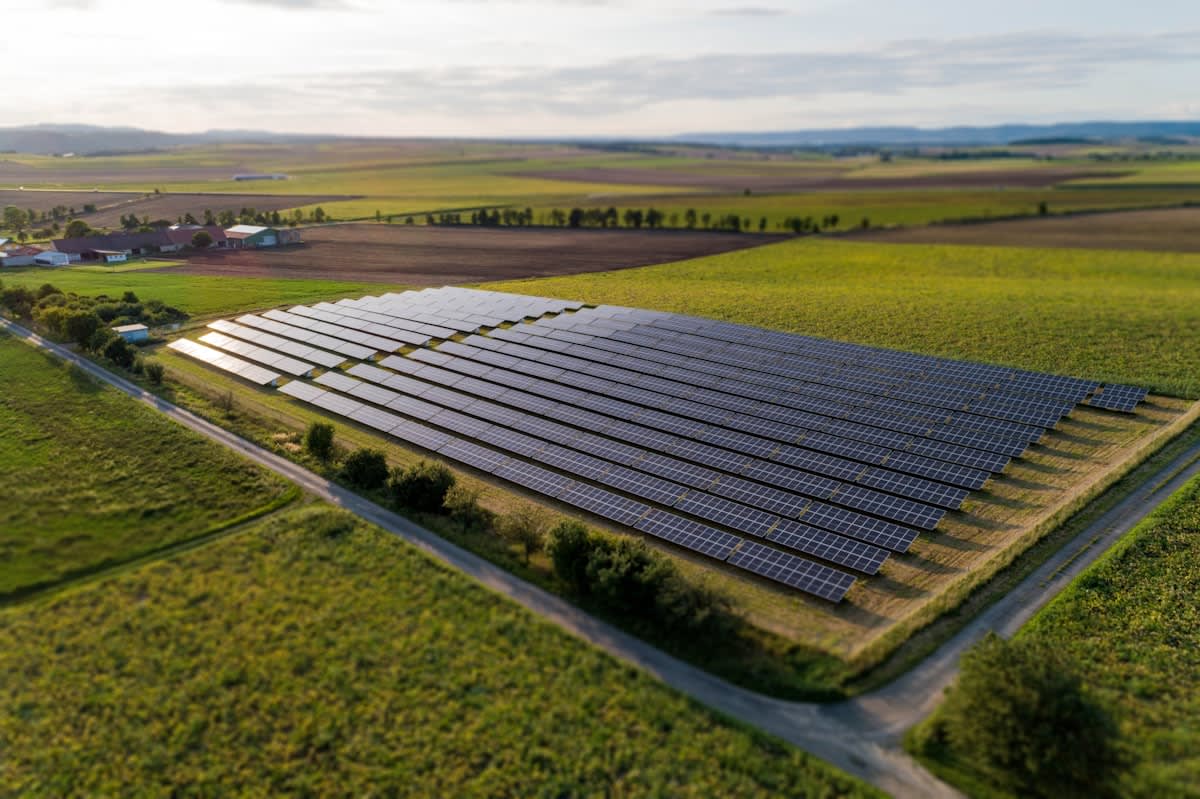
But the real victory for sodium is in stationary energy storage systems (ESS). The grid doesn't care about weight. A battery installation for a wind farm doesn't need to be lightweight because it never leaves the ground. In this sector, the only metrics that matter are levelized cost of storage (LCOS) and safety. Sodium-ion's inherent stability reduces the need for complex, expensive cooling systems, further driving down the total cost of ownership.
Could this shift collapse the lithium market? Not entirely, but it will force a correction. Lithium will likely retreat into a niche role—reserved for high-performance aerospace, long-haul trucking, and premium electronics. The 'mass market' will move to salt. This bifurcation allows the global economy to optimize for both performance and volume, creating a diversified energy ecosystem that is far more resilient to shocks.
We must also consider the environmental ledger. Lithium extraction is water-intensive, often depleting vital resources in arid regions. Sodium extraction is significantly less invasive. By shifting the burden away from fragile ecosystems, the energy transition actually begins to live up to its 'green' promise. The move to salt is not just an economic hedge; it is an ecological imperative.
The Systemic Ripple Effect
The transition to sodium-ion technology triggers a cascade of changes across the industrial landscape. First, it disrupts the mining hegemony. The power shifts from a few corporate entities controlling lithium deposits to a decentralized network of chemical processors. This democratization of raw materials lowers the barrier to entry for emerging economies to build their own battery industries, fostering a more multipolar industrial world.
Second, it accelerates the circular economy. Sodium batteries are inherently easier to recycle and less toxic than their lithium counterparts. As we move toward a world of billions of batteries, the end-of-life strategy becomes as important as the production strategy. A salt-based economy is one where the loop is closed more efficiently, reducing the need for perpetual mining.
Is the world ready for the Sodium Pivot? The infrastructure is already being laid. The chemistry is proven. The economic incentive is undeniable. The only remaining hurdle is the inertia of a market that has spent a decade convinced that lithium was the only way forward. But inertia is a poor defense against the laws of economics. When a cheaper, safer, and more abundant alternative arrives, the market doesn't just shift—it leaps.
The exit from lithium is not a sudden event but a quiet, strategic migration. It is the sound of engineers realizing that stability beats intensity and that abundance beats scarcity. The future of energy isn't hidden in a rare mineral; it has been right in front of us, in the salt of the earth, all along.