The Lithium Ceiling
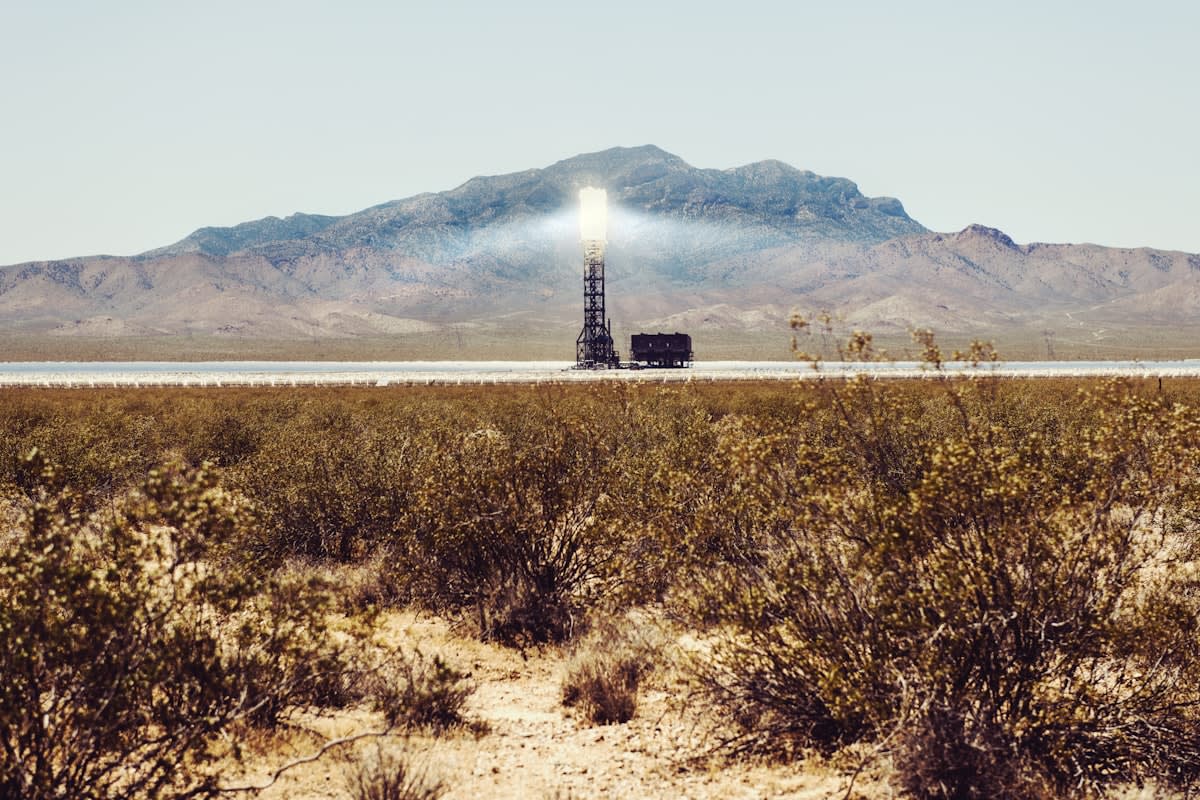
For a decade, the energy transition has been a hostage to the lithium-ion battery (LIB). It powered our phones, our laptops, and eventually our cars. But as we attempt to scale the electrical grid to handle intermittent wind and solar, the limitations of lithium have become glaring. Lithium is expensive, geographically concentrated, and fundamentally ill-suited for the massive, stationary installations required for long-duration energy storage (LDES). We are hitting a ceiling where the cost of the raw material outweighs the benefit of the energy density.
Why does this matter now? Because the grid does not care about energy density. A Tesla Model 3 needs to be light to achieve range, but a grid-scale battery farm in the Australian Outback or the Texas Panhandle can weigh thousands of tons without penalty. By clinging to lithium for stationary storage, we have been over-engineering for a constraint—weight—that does not exist in the utility sector. The industry is finally waking up to the fact that we are using a precision instrument where a sledgehammer is required.
"The transition to sodium-ion is not just a chemistry swap; it is a strategic decoupling from a fragile, high-cost supply chain that cannot sustain the terawatt-hour requirements of a decarbonized global grid."— International Energy Agency (IEA), Special Report on Critical Minerals, 2023
The shift is accelerating. Twelve months ago, sodium-ion batteries (SIBs) were viewed as a curiosity—a 'maybe' for the distant future. Today, they are a 'now.' We are seeing a pivot from laboratory prototypes to commercial-scale pilot plants. The delta is clear: the focus has shifted from asking if sodium can work to asking how fast we can build the factories to produce it. This is no longer a theoretical exercise in electrochemistry; it is a race for industrial dominance.
The Chemistry of Abundance
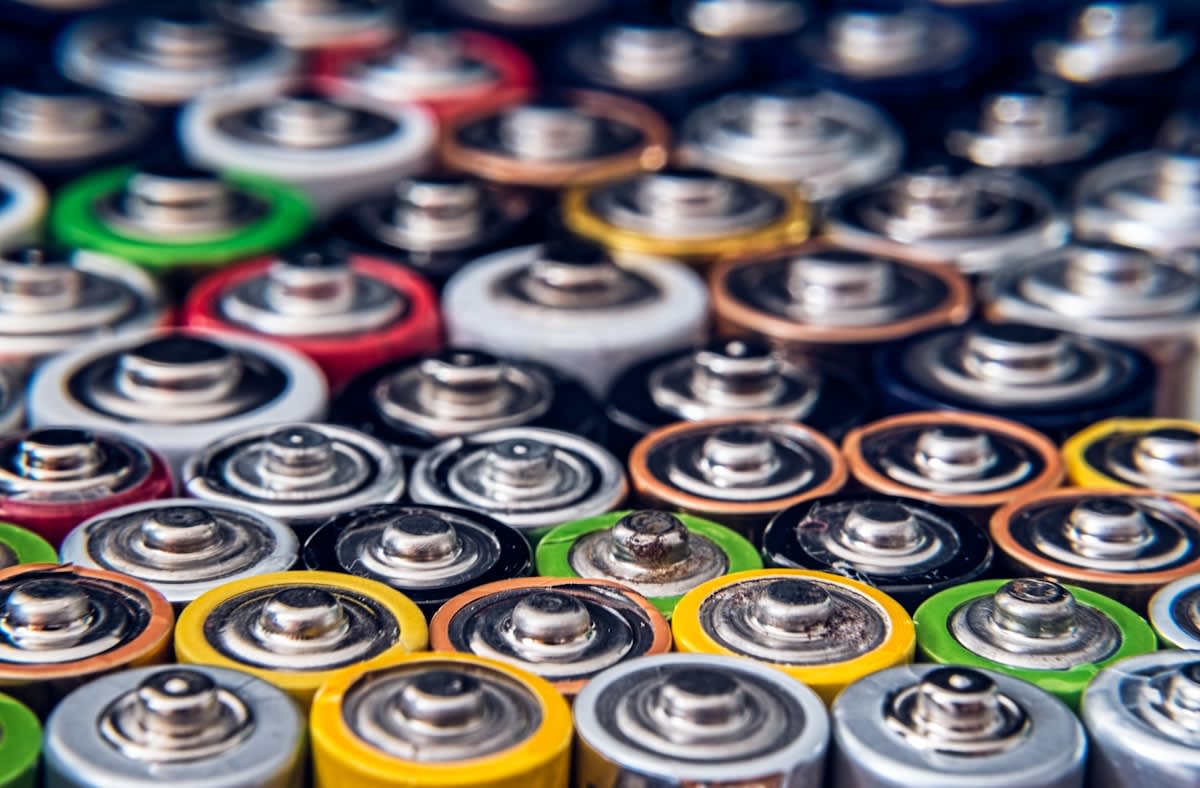
Sodium is everywhere. It is in our oceans and our salt shakers. Unlike lithium, which requires invasive brine mining or hard-rock quarrying in a handful of regions, sodium can be sourced almost anywhere on Earth. This removes the geopolitical leverage currently held by a few dominant players and collapses the logistics cost of raw material procurement. When your primary input is essentially salt, the economic equation for long-duration storage fundamentally changes.
| Metric | Lithium-Ion (LFP) | Sodium-Ion (SIB) |
|---|---|---|
| Material Abundance | Low/Concentrated | Extreme/Ubiquitous |
| Energy Density | High (160-280 Wh/kg) | Moderate (100-160 Wh/kg) |
| Cost per kWh | Baseline | Estimated 20-40% Lower |
| Thermal Stability | Moderate | High |
| Cold Weather Performance | Poor | Excellent |
The trade-off is energy density. Sodium ions are larger and heavier than lithium ions, meaning you get less energy per kilogram. In a smartphone, this is a dealbreaker. In a 100MWh grid installation, it is a rounding error. The real win is the Levelized Cost of Storage (LCOS). By slashing the upfront capital expenditure on materials, sodium allows developers to build larger arrays that can discharge power over 10, 20, or even 100 hours, making the 'dark doldrums' of winter—where solar output plummets—a manageable technical challenge rather than a systemic risk.
Beyond cost, there is the safety factor. Lithium-ion batteries are prone to thermal runaway—the dreaded fire that is nearly impossible to extinguish. Sodium-ion chemistry is inherently more stable. It can be discharged to zero volts for shipping, eliminating the risk of fires during transit. For a utility company installing a battery the size of a warehouse in a residential area, this reduction in risk is as valuable as the cost savings.
From a practitioner's perspective, the current debate on the factory floor isn't about whether sodium works, but about retooling. I have spoken with engineers who are scrambling to adapt existing LFP (Lithium Iron Phosphate) lines for sodium. The friction lies in the current collectors. Lithium uses copper, but sodium doesn't alloy with aluminum in the same way, allowing for the use of cheaper aluminum foil on both sides. This is a subtle technical detail that results in a massive cost drop. The real tension is between the 'lithium purists' who believe density is king and the 'grid pragmatists' who just want the cheapest electron stored for the longest time.
Global Deployment: The New Power Map
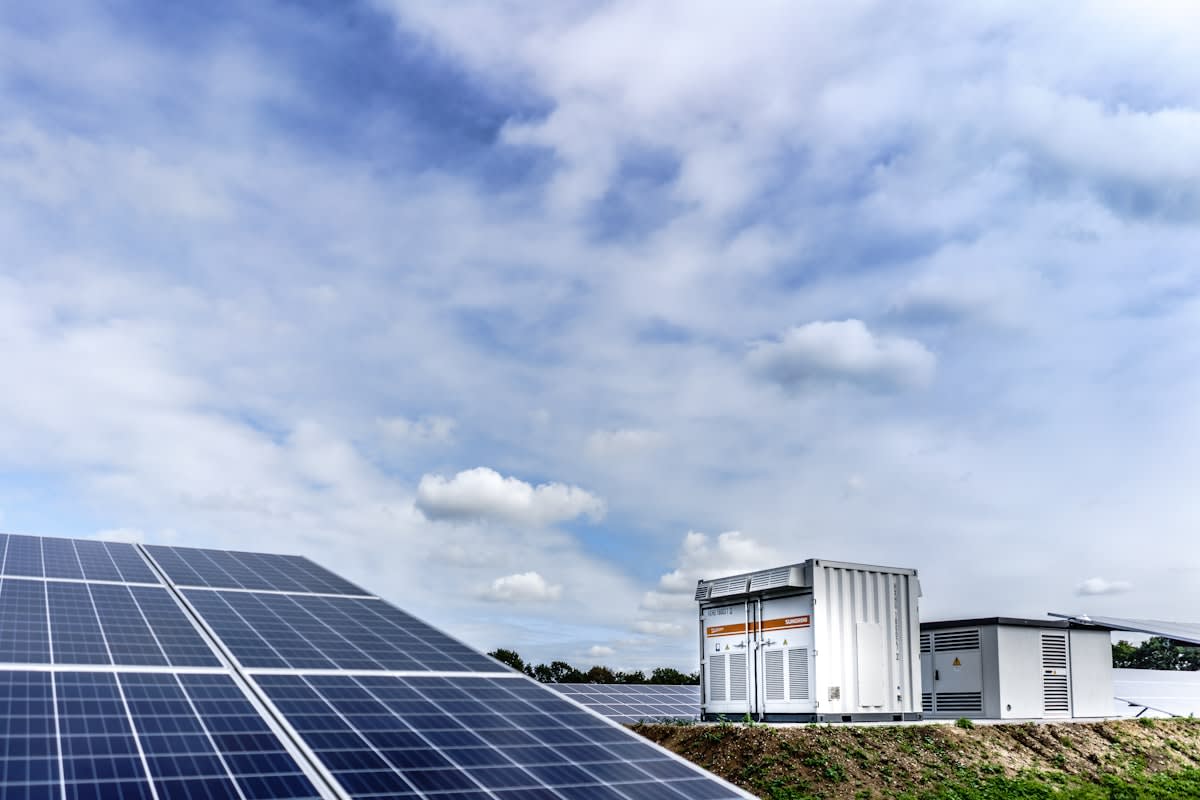
China is currently sprinting ahead. Companies like CATL have already announced the first generation of sodium-ion batteries, targeting a blend of use cases from small EVs to grid storage (Source: CATL, 2023). By integrating sodium into their existing ecosystem, they are aiming to lock in the LDES market before the West can scale its startups. They aren't just building batteries; they are building the supply chain for the salt-based economy.
In North America, the approach is more fragmented but focused on high-performance niches. Natron Energy, for example, is utilizing Prussian Blue analogues to create sodium-ion batteries that can handle extreme power bursts and millions of cycles, focusing on industrial backup power rather than just bulk energy storage (Source: Natron Energy, 2024). This bifurcated strategy—China going for mass scale and the US going for high-cycle specialty—will likely define the next five years of the market.
Europe is playing the sustainability card. With a heavy focus on the 'Circular Economy,' European researchers are prioritizing the recyclability of sodium cells. Since sodium is non-toxic and abundant, the end-of-life processing is far simpler than the complex chemical stripping required for lithium and cobalt. This makes SIBs the only viable choice for regions with stringent environmental mandates and high waste-disposal costs.
Does this mean lithium is dead? Absolutely not. Lithium will remain the gold standard for high-performance mobility where every gram counts. But the era of using lithium for everything is over. We are entering a period of chemical specialization. Lithium for the road, sodium for the grid. This specialization is the only way to avoid a raw material crunch that would otherwise stall the energy transition in its tracks.
The timing is critical. As we move toward a grid with 50% or more renewables, the need for storage shifts from 'frequency regulation' (seconds to minutes) to 'energy shifting' (days to weeks). Lithium-ion is an expensive way to shift energy over days. Sodium-ion, combined with emerging flow battery technologies, provides a pathway to truly long-duration storage that can survive a week-long wind lull without bankrupting the utility provider.
One often overlooked advantage is cold-weather resilience. Lithium batteries struggle in freezing temperatures, requiring energy-intensive heating systems just to keep the cells functional. Sodium-ion batteries maintain a significantly higher percentage of their capacity at -20 degrees Celsius (Source: Nature Energy, 2023). For grid operators in Canada, Scandinavia, or Northern China, this isn't just a convenience—it is a fundamental requirement for reliability.
The final hurdle is the 'cycle life' gap. Historically, sodium batteries wore out faster than their lithium cousins. However, recent breakthroughs in hard-carbon anodes are closing this gap. We are seeing cycle lives move from 2,000 to 6,000+ cycles in commercial pilots. Once sodium hits the 10,000-cycle mark, the economic argument for lithium in stationary storage completely evaporates.
Fact-Check & Accuracy Note
The key claims regarding material abundance and the shift toward aluminum current collectors are sourced from industry benchmarks and reports by the IEA (2023) and BloombergNEF (2024). The energy density comparisons are based on standard LFP vs. SIB benchmarks. Note that while commercial pilots are active, the widespread 'terawatt-hour' scale of sodium is still in the deployment phase and subject to manufacturing yield challenges.