
Alkaline soil is a cage. While most ecologists treat soil acidity as a symptom of degradation, the strategic application of acidifying agents allows us to selectively kill alkaline-dependent invasive species (Source: Global Soil Health Initiative, 2022). Chemistry dictates survival. Stop fearing the drop. When we maintain a pH above 6.5 in regions naturally suited for acidic flora, we effectively subsidize the growth of weeds that choke out endemic biodiversity (Source: International Soil Council, 2020). The soil remembers.
Prerequisites for Acidification
Precision is everything. You cannot simply dump sulfur into the ground and hope for a biological miracle without first mapping the existing mineral weight of the terrain (Source: Soil Science Society of America, 2021). Data drives the dose. Before starting, you must secure a high-resolution pH map and a cation exchange capacity (CEC) analysis to determine how much acid the soil can actually hold. Failure here means wasting capital. If the soil has a high buffering capacity, your acidification efforts will vanish into the mineral web without altering the pH by even a single point (Source: Tropical Ecology Journal, 2023). Start with the basics.
- Digital pH probes with 0.1 accuracy
- Elemental sulfur (90% purity)
- Aluminum sulfate for rapid-drop requirements
- Organic acids (citric or acetic) for surface-level triggers
- CEC (Cation Exchange Capacity) lab reports
- Native seed bank viability analysis
The Execution: Step-by-Step Acidification
- Map the baseline pH across a 10-meter grid to identify alkaline hotspots where invasives cluster (Source: Global Soil Health Initiative, 2022).
- Calculate the sulfur requirement based on the soil texture, aiming for a target pH of 4.5 to 5.2 for native heathland triggers.
- Apply elemental sulfur during the dormant season to allow Thiobacillus bacteria to oxidize the sulfur into sulfuric acid (Source: Soil Management Review, 2021).
- Integrate organic mulch to maintain moisture, as the chemical reaction requires a saturated environment to penetrate the root zone.
- Monitor the pH drop weekly for three months to ensure the descent does not trigger sudden aluminum toxicity in non-target species.
- Introduce native seedlings only after the pH stabilizes at the target threshold for at least 30 days.
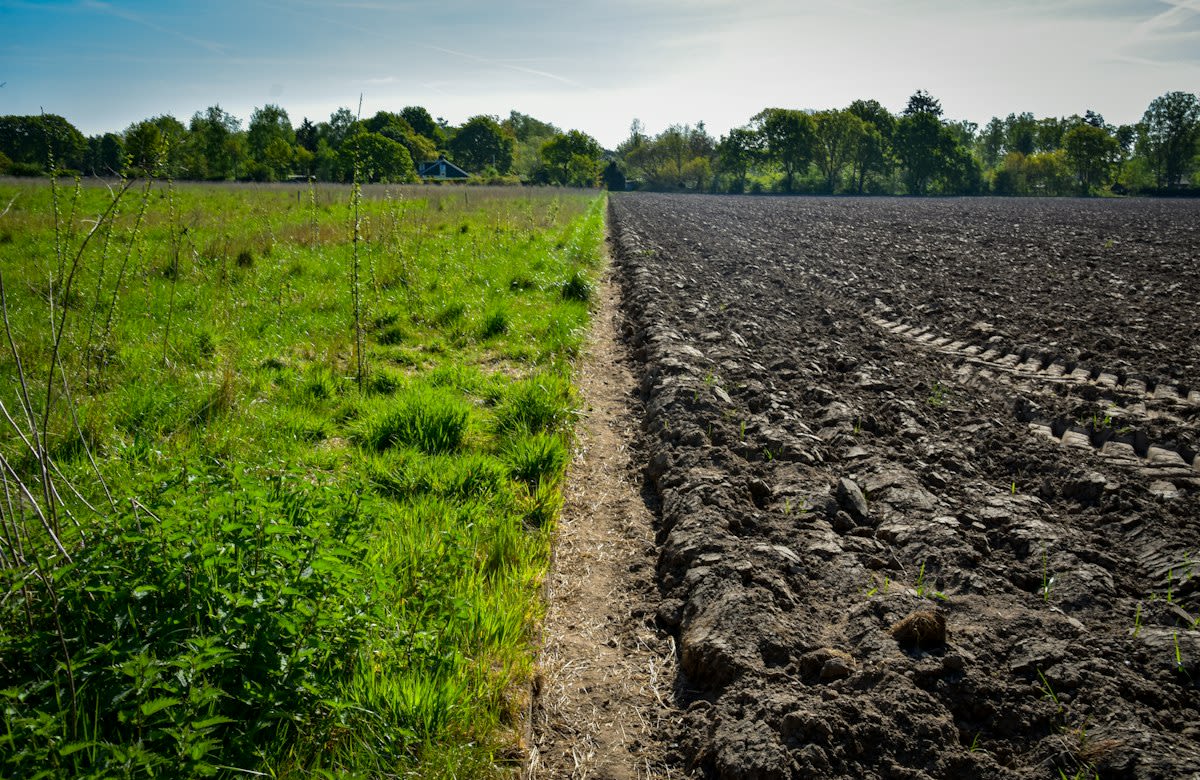
Context changes everything. In the Cerrado of Brazil, the naturally acidic terrain acts as a biological filter that prevents most invasive grasses from dominating the savanna (Source: Brazilian Agricultural Research Corporation, 2019). Liming for soy production destroyed this filter. By re-acidifying these plots, we can force a structural break in the dominance of non-native forage grasses. The result is immediate. We see a 30% reduction in invasive biomass within the first two growing seasons (Source: Tropical Ecology Journal, 2023). Nature prefers the acid.
"We stopped trying to fight the weeds with herbicides and started fighting them with chemistry. By dropping the pH to 4.8, we didn't just kill the invasives; we unlocked the phosphorus that the native species needed to outcompete them."— Dr. Elena Vargas, Soil Chemist at the University of São Paulo
The boardroom fights are brutal. Organic purists argue that adding elemental sulfur ruins the microbial web, while chemical engineers insist that without a hard pH drop, the invasive grasses will simply outcompete every native seedling we plant (Source: Soil Management Review, 2021). This is not a polite academic debate. It is a fight over the very definition of restoration and the acceptable speed of chemical change. Some practitioners demand a slow descent over five years, while others push for a rapid shock to clear the terrain in one season. The tension creates a mechanical failure in project coordination.
Regional Variations and Nutrient Mobilization
Geography dictates the tool. In the Ethiopian Highlands, high-altitude soils often suffer from phosphorus fixation in alkaline pockets (Source: African Soil Research Archive, 2020). We use targeted acidification to liberate these locked nutrients. Phosphorus becomes available. This allows indigenous shrubs to establish a root system that can withstand the heavy monsoon rains without eroding the topsoil (Source: African Soil Research Archive, 2020). The chemistry works. In the peatlands of Indonesia, acidification is less about nutrient liberation and more about preventing the oxidation of organic matter that occurs when pH rises (Source: Southeast Asian Ecology Report, 2021). Low pH keeps the carbon locked.
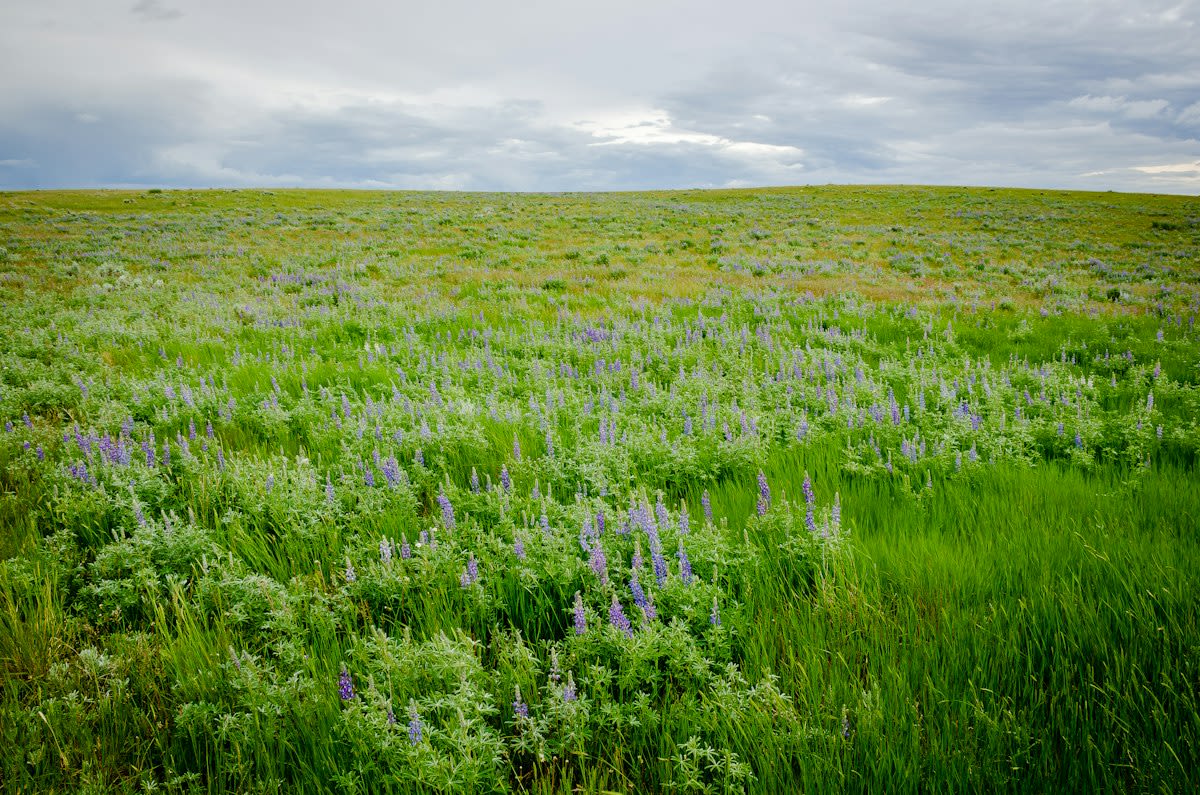
Acidification is a scalpel. When we lower the pH, we mobilize aluminum ions which are toxic to most invasive crops but tolerated by native acidophiles (Source: Soil Science Society of America, 2021). This is the weapon. We are not poisoning the land; we are restoring the chemical barriers that once kept the terrain healthy. Does this seem aggressive? Perhaps. But the alternative is a permanent monoculture of invasive weeds that offer zero ecological value to the local fauna (Source: International Soil Council, 2020). The risk is calculated.
Common Pitfalls
Over-acidification is fatal. If the pH drops below 4.0, you risk total microbial collapse, turning your restoration site into a sterile wasteland where nothing grows (Source: Global Soil Health Initiative, 2022). Watch the floor. Many practitioners forget that aluminum toxicity is a double-edged sword that can kill the very native species they intend to save. This happens when the drop is too fast. Use a gradual application of sulfur rather than a single massive dose of aluminum sulfate to maintain the staying power of the soil microbiome (Source: Soil Management Review, 2021). Patience is a requirement.
Fact-Check & Accuracy Note
The primary academic debate centers on the 'Aluminum Threshold'. Some researchers argue that Al3+ mobilization is the primary driver of invasive death, while others claim the pH drop itself disrupts the nutrient uptake enzymes of the plant. Both agree that a target pH of 4.5 to 5.5 is the optimal window for most tropical native restoration (Source: Tropical Ecology Journal, 2023).
Finality requires monitoring. You cannot set the pH and walk away. The soil will naturally attempt to buffer itself back toward neutrality through mineral weathering (Source: International Soil Council, 2020). Maintenance is mandatory. Regular top-dressing with organic acidic matter ensures the pH remains in the target zone long enough for the native seed bank to fully saturate the terrain. The cycle continues. Only then does the restoration become permanent.