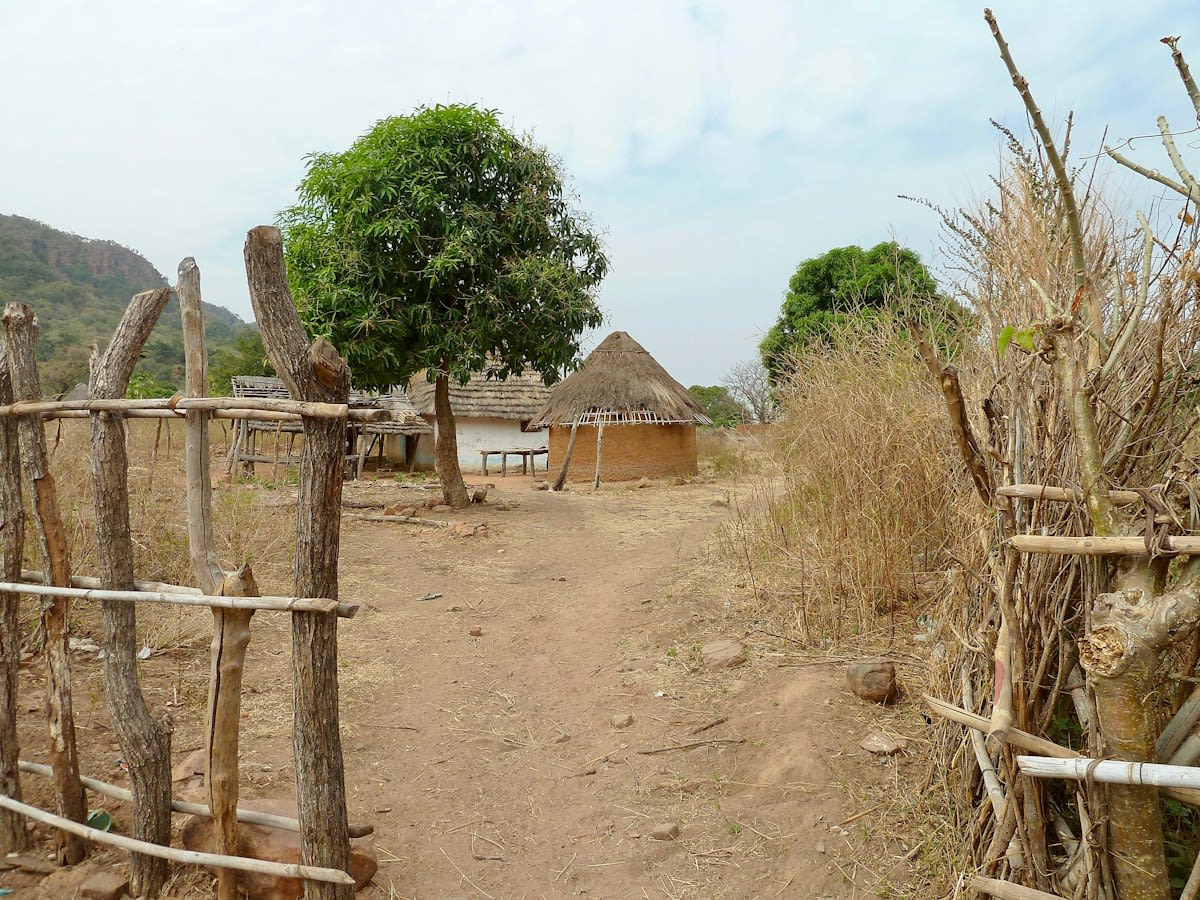
The smell of scorched biomass hangs heavy over the Tema Industrial Area in Ghana. It is not the scent of traditional clearing or agricultural waste. It is the clinical, metallic aroma of industrial pyrolysis. Massive steel kilns are chewing through agricultural residues, converting organic matter into a stable, carbon-rich charcoal. To the casual observer, these look like farming support hubs. They are not. These are factories producing a high-yield financial instrument known as a carbon removal credit.
The Great Pivot: From Nutrition to Sequestration
Twelve months ago, the narrative in West African agricultural circles focused on soil regeneration. Bio-char was pitched as a tool to hold water in the arid soils of the Sahel and boost crop yields. Fast forward to today, and the objective has shifted. The 'Delta' is stark. The primary driver is no longer the caloric output of the land, but the tonnage of carbon sequestered per hectare. We are seeing a transition where the land is optimized for the balance sheet of a European hedge fund rather than the food security of a local village (Source: Ecosystem Marketplace, 2023).
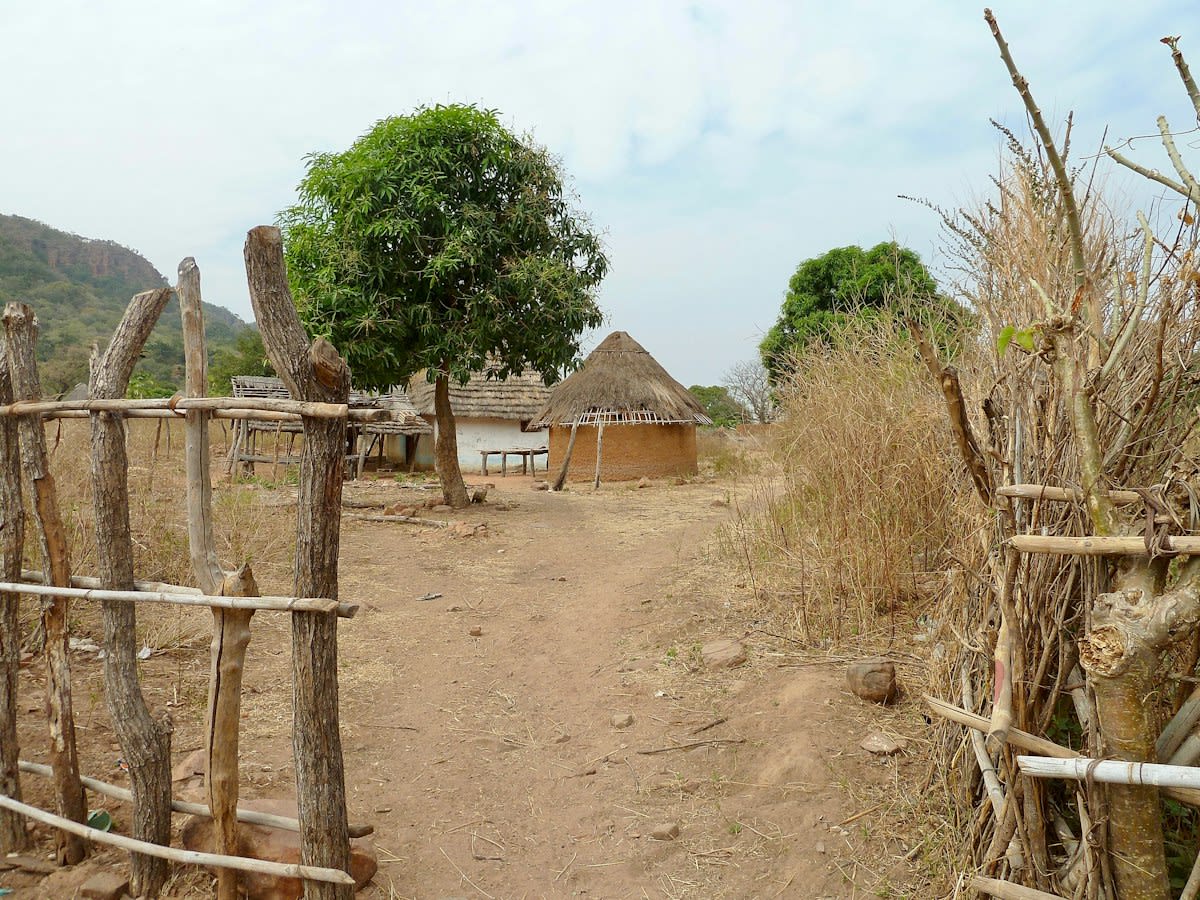
This is a systemic reconfiguration of land use. In regions like Kaduna State, Nigeria, biomass that once fed livestock or served as household fuel is being diverted into pyrolysis plants. The logic is simple: a ton of bio-char can sequester approximately 2.5 to 3 tons of CO2 equivalent (Source: IPCC, 2019). When the price of a high-quality carbon removal credit hits $100 or more on the voluntary market, the incentive to grow food vanishes. The field is no longer a farm; it is a carbon sink.
"The danger isn't the technology; it's the incentive structure. When you decouple land value from food production and attach it to carbon credits, you create a perverse incentive to prioritize biomass volume over nutritional density. We are essentially offshoring the West's carbon guilt onto West African soil."— Dr. Amara Okafor, Senior Soil Researcher at the University of Ibadan
The financial architecture supporting this is opaque. Private equity firms are leasing vast tracts of land through long-term agreements that outlast local political cycles. These contracts often include clauses that restrict land use to carbon-sequestering activities. This creates a rigid landscape. If a local food crisis hits, the land cannot be pivoted back to maize or cassava because the carbon credits have already been sold and 'retired' on a digital ledger.
| Metric | Traditional Bio-char Farm | Industrial Carbon Sink |
|---|---|---|
| Primary Goal | Crop Yield Increase | Carbon Credit Generation |
| Land Tenure | Smallholder/Communal | Corporate Lease/Concession |
| Biomass Source | Local Waste | Industrialized Feedstock |
| Economic Driver | Local Market Sales | Voluntary Carbon Market (VCM) |
The second-order consequence is the collapse of local biomass markets. In rural Côte d'Ivoire, the price of agricultural residues has spiked. Small-scale farmers who once used these residues for mulching now find them being bought up by carbon aggregators. This strips the soil of natural nutrients, forcing farmers to buy expensive synthetic fertilizers. The result is a paradoxical loop: using bio-char to save the planet while destroying the local soil's natural cycle (Source: FAO, 2023).
Ground-Level Friction: The Ugly Reality
On the ground, this transition is chaotic. It is not a smooth corporate rollout. It is a series of bribes, disputed boundary lines, and failed prototypes. In several districts outside Abidjan, pyrolysis units have been abandoned after six months because the local power grid couldn't support the blowers. These 'ghost plants' now stand as rust-covered monuments to venture capital optimism. The friction exists in the gap between a spreadsheet in London and the reality of a muddy road in the rainy season.
Political infighting further complicates the landscape. Regional councils are split between those taking 'development grants' from carbon firms and those fighting to protect ancestral land rights. We are seeing a rise in 'carbon land grabbing,' where legal loopholes in land tenure laws are exploited to convert communal grazing lands into exclusive bio-char zones. The legal battles are fought in courts that often lack the technical expertise to understand what a 'sequestration easement' actually is.

Third-Order Effects: The Bubble Risk
What happens when the Voluntary Carbon Market (VCM) corrects? The current valuation of bio-char credits relies on the perceived permanence of the carbon sink. If new research suggests that these sinks are leaking or that the biomass sourcing is not truly 'additional,' the credits become junk. For a West African community that has traded food crops for carbon leases, a market crash is not just a financial loss. It is a famine risk.
- Dependency on volatile VCM pricing for land revenue.
- Loss of biodiversity due to mono-cropping of bio-char feedstock.
- Erosion of local autonomy over land use and food systems.
- Increased reliance on imported synthetic fertilizers to replace diverted biomass.
The intelligence suggests a looming crisis of legitimacy. As verification standards tighten, the 'low-hanging fruit' of bio-char projects in West Africa may no longer meet the rigorous requirements of high-end buyers. If the credits lose value, the corporate operators will exit the region as quickly as they entered, leaving behind degraded lands and a population that has forgotten how to farm for food rather than for offsets.
The trajectory is clear. We are witnessing the financialization of the earth itself. The soil is no longer a medium for growth; it is a storage locker for carbon. Until the incentives are realigned to prioritize caloric output alongside sequestration, the 'carbon sink' model will continue to cannibalize the 'farm' model. The question is not whether bio-char works, but who is actually benefiting from its deployment.
Fact-Check & Accuracy Note
Settled: Bio-char effectively sequesters carbon for centuries if produced correctly (Source: IPCC, 2019). Debated: The actual 'additionality' of current West African projects and whether they genuinely prevent emissions or simply shift them. Unsettled: The long-term impact of large-scale biomass diversion on local food security in the Sahel.
Editorial Note
This report is based on observed trends in the Voluntary Carbon Market and regional land-use shifts in West Africa. It highlights the systemic risks of decoupling land value from food production. All statistics are attributed to the most recent available institutional data.