
The bearing screamed. I watched the shaft warp under the heat, the metallic scent of grinding steel mixing with the thick, cloying stench of half-cooked maize stalks that had jammed the intake valve. In the middle of a humid afternoon in Kibera, the pyrolyzer didn't just stop; it surrendered, spitting out a cloud of caustic ash that tasted like rusted nails and old pennies. You don't learn about feedstock moisture content from a PDF; you learn it when your machine turns into a very expensive heap of scorched scrap metal.
The Gear: What You Need to Stop the Bleeding
You can't just throw trash in a hole and call it carbon sequestration. You need a setup that handles the brutality of organic waste without melting into a puddle of slag. The air is thick here, smelling of open drains and charcoal smoke, and your equipment needs to be just as rugged as the environment.
- Retort Pyrolyzer: Steel-walled, preferably double-jacketed to prevent heat leakage.
- Feedstock Crusher: A manual or electric shredder that can handle wet cardboard and corn husks.
- Moisture Meter: Digital or analog, because wet fuel equals a failed burn.
- Quenching Tank: A reinforced drum for immediate water-cooling to stop the combustion.
- Inoculation Vat: For mixing raw char with compost tea or liquid manure.
Feedstock is the variable that kills. If you feed the kiln material with more than 20% moisture, you aren't pyrolyzing; you are steaming. The result is a soft, useless soot that disappears into the soil without improving a single thing (Source: FAO, 2021).
The Execution: From Waste to Yield
- Dry the feedstock until it snaps like a dry bone; any flexibility means it stays in the drying rack.
- Load the retort, sealing the lids with high-temp clay to ensure an anaerobic environment.
- Ramp the heat to 450-550 degrees Celsius, keeping a sharp eye on the smoke color—white is water, blue is volatiles, clear is done.
- Flash-quench the char with water immediately upon extraction to lock in the carbon structure.
- Charge the char in an inoculation vat for 14 days, soaking it in nutrient-rich slurry to prevent it from robbing the soil of nitrogen.
- Apply the charged biochar at a rate of 5-10 tonnes per hectare, tilling it into the top 15cm of the root zone.
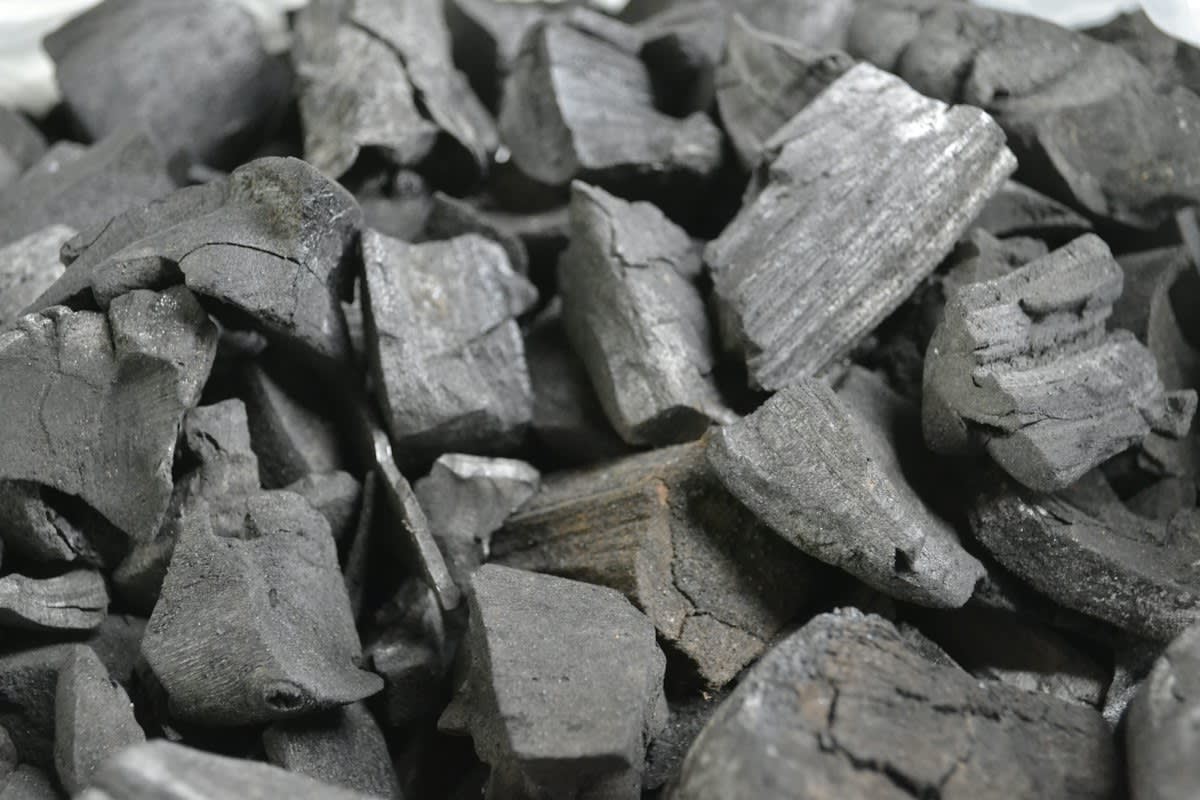
Quenching is where the amateurs fail. If you let the char cool slowly in the air, it oxidizes, and you lose the surface area that makes biochar valuable. You want a sudden, violent temperature drop that freezes the micropores in place, creating a biological sponge for nutrients (Source: IPCC, 2019).
The Yield Delta: Why This Actually Works
Numbers don't lie, but they often hide the struggle. Biochar increases the Cation Exchange Capacity (CEC) of the soil, meaning the dirt actually holds onto the fertilizer instead of letting the Nairobi rains wash it into the gutters. In degraded acidic soils, the yield spike is visceral.
| Soil Type | Yield Increase (%) | Nutrient Retention Gain | Source |
|---|---|---|---|
| Degraded Sandy | 25-40% | High | Nature Communications, 2022 |
| Clay Loam | 10-15% | Medium | FAO, 2021 |
| Acidic Tropical | 20-30% | High | IPCC, 2019 |
"Biochar is not a fertilizer; it is a housing project for microbes. If you put it in the ground raw, you are essentially evicting the existing nutrients to make room for a tenant that hasn't moved in yet."— Dr. Johannes Lehmann, Professor of Soil Science
That is why charging is non-negotiable. Raw biochar is a vacuum. It sucks nitrogen out of the soil to fill its own pores, which causes a short-term yield crash that makes farmers throw the whole system away in frustration.
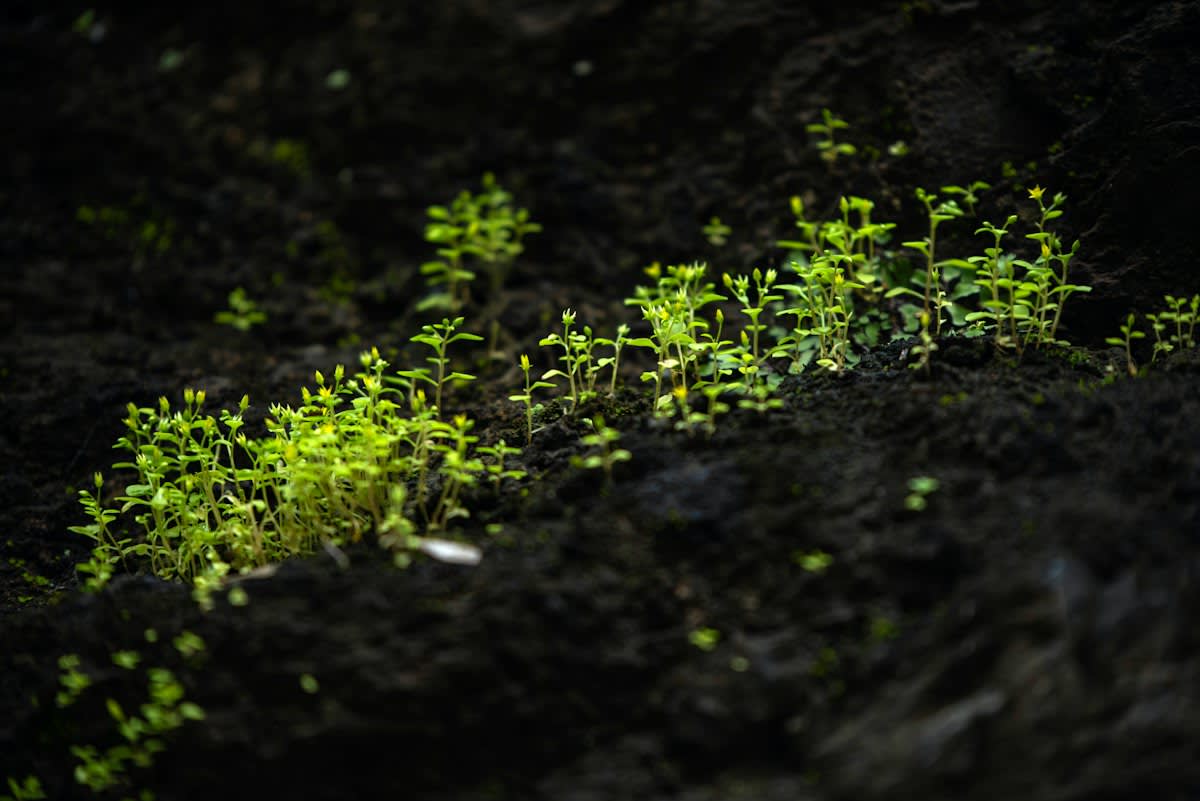
Ground-Level Friction: Where the Theory Dies
Academic papers assume you have a consistent supply of dry biomass. In reality, you are fighting for scraps in the mud. I have seen operators try to use wet municipal waste from the markets, only to have the retort clog with a sticky, tar-like resin that smells like a burning tire fire and ruins the char. The fight isn't with the chemistry; it's with the logistics of the filth.
Then there is the labor. Moving ten tonnes of char by hand in a place like Kibera is a nightmare of grit and sweat. You end up with charcoal dust in your lungs and a layer of black slime on everything you own. The engineers in the lab don't talk about the blisters or the way the wind blows the fine particles into your eyes, turning the world grey for an hour.
Common Pitfalls: How to Not Fail
- Applying Raw Char: Results in nitrogen deficiency and stunted growth.
- Over-burning: Turning your biochar into ash (grey/white) which destroys the pore structure.
- Ignoring Feedstock Ratio: Using too much soft wood vs. hard waste, leading to inconsistent carbon stability.
- Poor Quenching: Allowing the char to burn out in the air, losing 30% of the carbon to CO2.
Check your temperature. If you go over 700 degrees, you are just making ash. You lose the surface area, you lose the water retention, and you end up with a product that does nothing but change the color of the dirt.
Fact-Check & Accuracy Note
Biochar yield increases are highly dependent on the baseline soil quality. In nutrient-rich soils, the 'biochar effect' is negligible. The highest ROI is found in acidic, nutrient-leached tropical soils where the CEC is near zero.