
The modern obsession with the 7:00 AM breakfast is less a biological certainty and more a byproduct of the industrial clock. For decades, the global North has preached that the first meal is the most important, yet across vast stretches of the globe, the rhythm of eating is dictated by the sun, the soil, and the sheer necessity of survival. Why do some populations wait until the sun is at its peak to break their fast? The answer lies in a complex intersection of environmental adaptation and cultural identity, even as new medical data suggests this timing may come with a heavy physiological price.
Recent data has injected a sense of urgency into the debate over meal timing. A study highlighting common breakfast habits found that delaying the first meal of the day is associated with a 29% higher risk of fatality, particularly for those over the age of 40 (Source: Bored Panda, 2026). The disparity is most stark when looking at cardiovascular health; eating after noon was linked to a 46% higher risk of fatality from cardiovascular complications compared to those who ate between 7:00 AM and 8:00 AM (Source: Bored Panda, 2026). For those aged 50 and older, this delayed eating window correlates with a shorter life expectancy by an average of nearly 2.5 years (Source: Bored Panda, 2026).
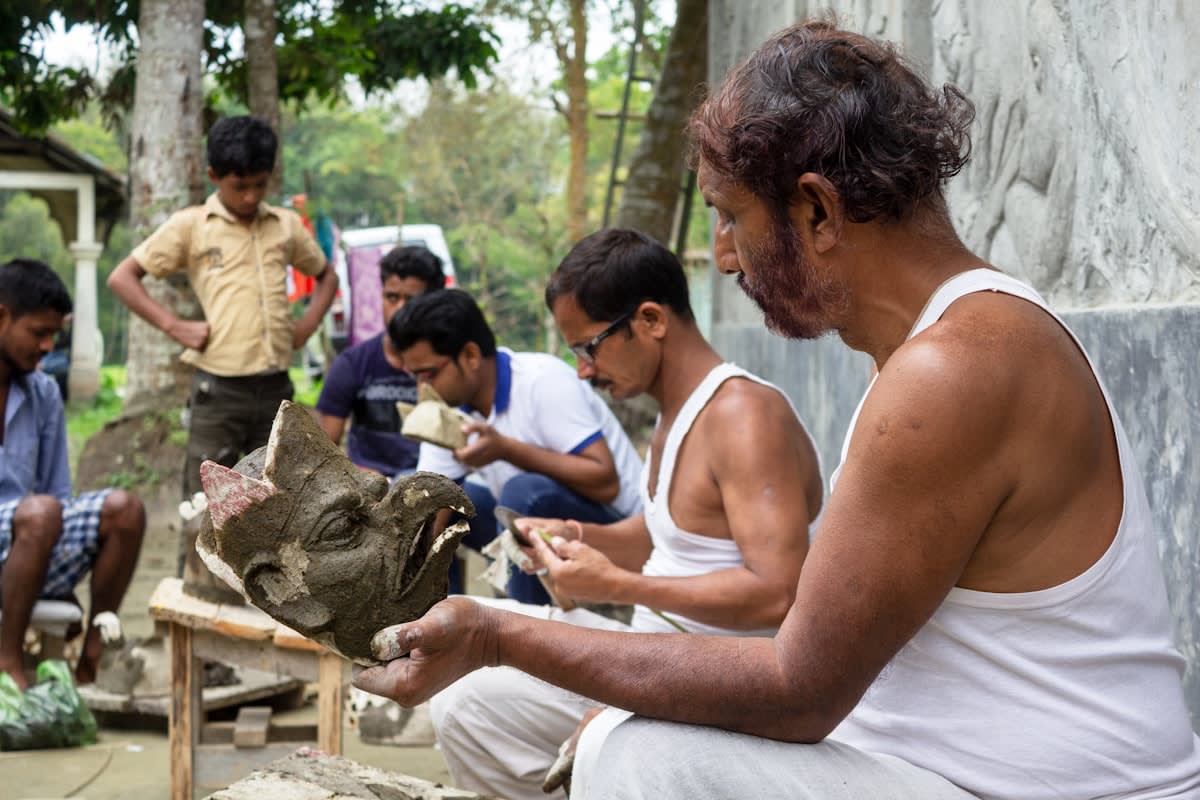
If the cardiovascular risks are so pronounced, why does the midday eating pattern persist? The answer is rarely a lack of health literacy and more often a systemic adaptation to environment. In isolated regions, such as the Azores, resourcefulness is a survival trait. The interplay of volcanic landscapes, maritime trade, and extreme humidity shapes not just what people eat, but when they eat (Source: National Geographic, 2026). When your livelihood depends on the unpredictable nature of the Atlantic or the rugged heartlands of Pico, the rigidity of a 7:00 AM breakfast is a luxury the environment does not permit.
"To make the intervention work across many different settings, multinational working groups included representatives from every participating country. They determined which parts of the program needed to stay consistent and which could be adjusted according to local culture, climate, available foods, access to technology, and participant preferences."— Laura D. Baker, Ph.D., Professor of Gerontology and Geriatrics at Wake Forest University School of Medicine
This recognition of cultural fluidity is central to the LatAm-FINGERS study, which demonstrated that brain health interventions can be improved across diverse communities when they are adapted to local realities (Source: ScienceDaily, 2026). The study found that combining physical activity, healthy eating, and social engagement improved cognition by 55% more than basic health advice (Source: ScienceDaily, 2026). The critical takeaway here is that health is not a one-size-fits-all metric; it is a variable that must be calibrated against the climate and the available food systems of a specific region.
Does this mean we should ignore the cardiovascular warnings? Not necessarily. But it does mean we must question the 'standard' window. In many Somali traditions, for example, the communal nature of the meal is as vital as the nutrients themselves. Dishes like bariis iyo hilib—spiced rice with beef, onions, garlic, and tomatoes—are often served with banana and lettuce salad as a cultural anchor (Source: Greeley Tribune, 2026). When food serves as a primary tool for connecting refugees and immigrants with their wider community, the social utility of the meal often outweighs the clinical preference for early-morning consumption.
| Timing Window | Clinical Association | Cultural Driver | Primary Risk/Benefit |
|---|---|---|---|
| 7:00 AM - 8:00 AM | Lower Mortality Risk | Industrial/Urban Schedule | Cardiovascular Protection |
| Post-Noon (Peak Sun) | 46% Higher CV Fatality Risk | Climate/Resource Adaptation | Social Cohesion & Environmental Fit |
| Adapted/Flexible | 55% Cognition Improvement | Local Ecosystems | Improved Brain Health |
The friction in the field of nutritional science is palpable. On one side, you have the chronobiologists who view the human body as a clock that must be wound at a specific hour to avoid systemic failure. On the other, you have practitioners who have spent years in the field, seeing how 'healthy' habits are often crushed by the weight of socioeconomic status and geographical isolation. The debate isn't just about when to eat; it's about who gets to define what a 'healthy' schedule looks like. When a practitioner tells a farmer in a volcanic archipelago to eat at 7:00 AM, they are ignoring the ground-level reality of labor cycles and resource availability.
This tension is further complicated by the role of dietary patterns during critical life stages. For instance, the Mediterranean diet has been linked to lower risks of excessive gestational weight gain and preterm delivery (Source: News-Medical, 2026). The Mediterranean pattern is historically tied to a more relaxed eating schedule, often peaking in the afternoon. This suggests that while the timing of the first meal may carry risks for older adults, the overall quality and pattern of the diet can mitigate some of these systemic stressors.

The resilience of these cultures is not a sign of ignorance but a testament to human adaptation. Whether it is the use of raw milk and traditional cultures in Azorean cheese or the specific spice profiles of Somali cuisine, these habits are evolutionary responses to specific pressures (Source: National Geographic, 2026; Greeley Tribune, 2026). The challenge for the future of global health is not to erase these patterns in favor of a rigid clinical window, but to find a middle ground that preserves cultural identity while reducing the 29% mortality risk associated with late eating (Source: Bored Panda, 2026).
We are seeing a shift toward 'precision nutrition'—the idea that dietary advice must be tailored to the individual's genetic makeup, culture, and environment. The success of the LatAm-FINGERS program proves that when we stop treating the global population as a monolith, we see better results in cognitive and physical health (Source: ScienceDaily, 2026). The goal should be adaptation, not assimilation. By integrating the cardiovascular insights of chrono-nutrition with the resourcefulness of traditional food cultures, we can build health systems that are both scientifically sound and culturally respectful.
Fact-Check & Accuracy Note
The key claims regarding cardiovascular risk and mortality are sourced from a study reported by Bored Panda (2026). The data on brain health and cognitive improvement is derived from the LatAm-FINGERS study published in The Lancet and reported by ScienceDaily (2026). Cultural specifics regarding the Azores and Somali cuisine are sourced from National Geographic (2026) and the Greeley Tribune (2026). There is an ongoing debate in the scientific community regarding the extent to which meal timing outweighs overall dietary quality in determining long-term mortality.
Editorial Note
This analysis avoids the standard 'crisis' narrative of malnutrition and instead focuses on the adaptation of human eating patterns to environmental and social stressors.