
Raw sewage floods the Hebron Stream. Approximately 30,000 cubic meters of untreated waste flow daily into the Beersheba Stream following a targeted arson attack on the electrical room of the Neve Midbar water corporation plant (Source: Ynetnews, 2026). This slurry of organic matter and oxidized chemicals represents a catastrophic failure of containment, but for the recovery operator, it is a concentrated stream of untapped nitrogen and phosphorus. In the Negev district, the friction between infrastructure security and resource recovery is a daily reality where protection rackets can literally burn down a nutrient siphon (Source: Ynetnews, 2026).
Operational Prerequisites
Siphoning nutrients and minerals requires more than a pump and a pipe. You need a silicon-etched control system capable of monitoring real-time chemistry changes in Flue Gas Desulfurization (FGD) wastewater, which varies based on coal characteristics and plant conditions (Source: POWER Magazine, 2026). The hardware must be resistant to the corrosive, greasy nature of industrial byproducts found in North American mining sites. Without a verified separation platform, the attempt to recover critical minerals like scandium is a waste of copper-wire and electricity (Source: mining.com, 2026).
- Commercial-scale thermal evaporation units for Zero Liquid Discharge (ZLD) targets.
- Peer-reviewed separation technologies for rare earth element (REE) isolation.
- Biological input processors for converting organic waste into biopesticides.
- Risk protection insurance, specifically Price Loss Coverage or Agricultural Risk Coverage for agricultural feedstocks (Source: Farm Progress, 2026).
- Hardened electrical rooms with fire-suppression systems to prevent extortion-based shutdowns.
The Extraction Protocol
Recovery is not a plug-and-play operation. At WA Parish Unit 8 in Texas, the integration of thermal evaporation required leveraging existing plant systems rather than treating the equipment as a standalone purchase (Source: POWER Magazine, 2026). This means the siphoning process must be baked into the plant's existing operational flow to ensure reliability. When dealing with industrial byproducts, the goal is to move from raw effluent to a refined mineral concentrate using a phased separation approach.
- Feedstock Identification: Analyze the byproduct stream for critical minerals. Supra Elemental Recovery, spun out of the University of Texas at Austin, focuses on scandium recovery from North American industrial byproducts (Source: mining.com, 2026).
- Concentration: Use thermal evaporation to tackle FGD wastewater, removing dissolved solids and heavy metals to achieve Zero Liquid Discharge (Source: POWER Magazine, 2026).
- Separation: Apply silicon-etched separation platforms to isolate specific rare earth elements from the concentrated brine (Source: mining.com, 2026).
- Biological Conversion: For agricultural waste, process organic matter into biological crop inputs or biopesticides, a sector seeing rapid growth among the 100+ members of the Council of Producers & Distributors of Agrotechnology (Source: AgroLatam, 2026).
- Field Application: Deploy recovered nutrients via residual herbicides like BASF's Surtain in the Corn Belt to manage pest pressure for the 2027 planting season (Source: AgWeb, 2026).
The transition from a waste stream to a revenue stream happens at the molecular level. In Dallas, Texas, the CPDA has noted that the agricultural agenda is being reshaped by biological products and tighter environmental requirements (Source: AgroLatam, 2026). This requires a shift in how operators view the 'waste' side of the ledger. Instead of paying for disposal, the operator becomes a supplier of high-value minerals and biologicals.
"One of the biggest lessons from WA Parish is that FGD wastewater treatment should be viewed as a plant-integration project, not simply as the purchase of a piece of wastewater equipment."— Project Team, WA Parish Unit 8
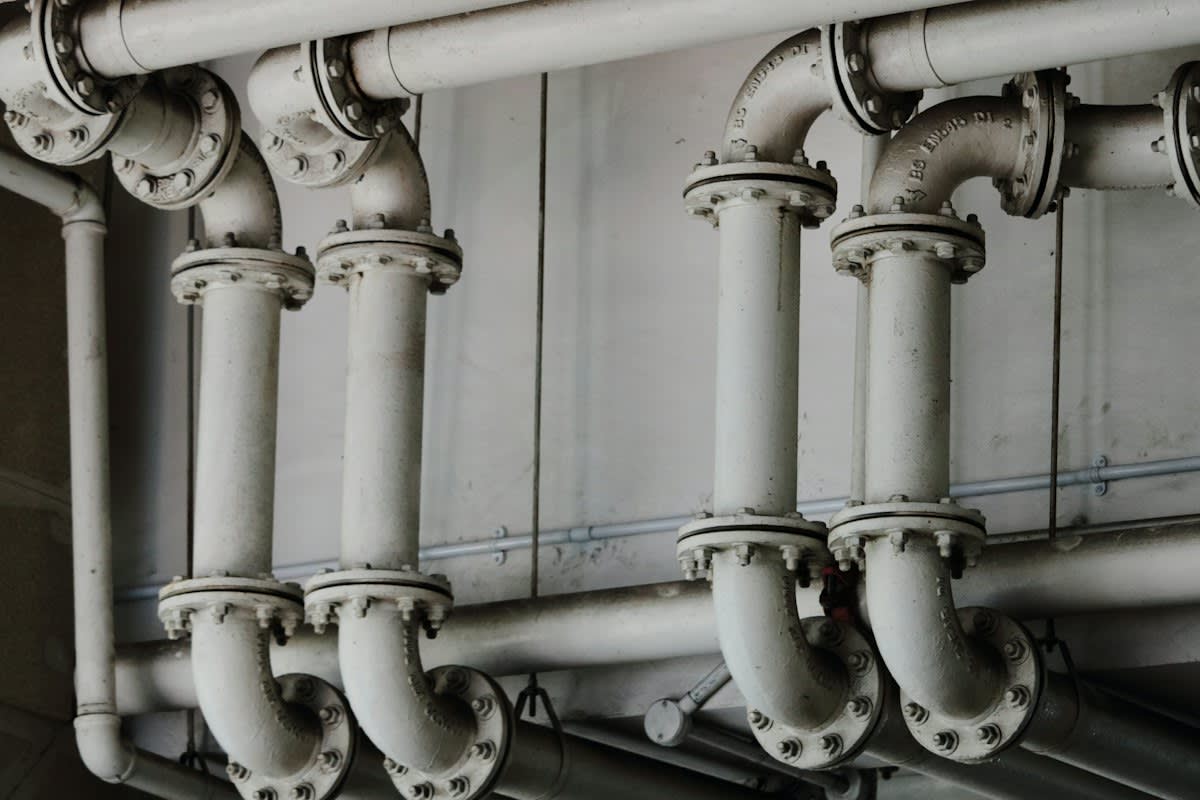
From the dirt-floor perspective of a field operator, this is where the friction occurs. You are often fighting against legacy systems—greasy valves and rusted conduits that were never meant to handle high-pressure thermal evaporation. There is a constant debate between the engineers who want a clean, silicon-etched laboratory environment and the plant managers who are dealing with the reality of coal ash and heavy metal sludge. The real work is in the retrofit, making the new tech play nice with the old iron.

Risk Management and Feedstock Security
Feedstock stability is the primary failure point. In the agricultural sector, risk is managed through federal programs. Farm managers must choose between Price Loss Coverage and Agricultural Risk Coverage by December 11 to protect their 2026 production year yields (Source: Farm Progress, 2026). This financial hedging is the only way to survive the extreme weather patterns that plagued the Corn Belt in 2026 (Source: AgWeb, 2026).
| Waste Stream | Target Nutrient/Mineral | Recovery Method | Key Risk |
|---|---|---|---|
| FGD Wastewater | Dissolved Solids/Metals | Thermal Evaporation | Integration Failure |
| Industrial Byproducts | Scandium/REE | Separation Platforms | Scalability |
| Raw Sewage | Nitrogen/Phosphorus | Biological Processing | Infrastructure Arson |
| Crop Residue | Biological Inputs | Biopesticide Synthesis | Weather Volatility |
Security is not just about fences; it is about the stability of the local power grid. The Neve Midbar case proves that a single fire in an electrical room can dump 30,000 cubic meters of waste into the local ecosystem daily (Source: Ynetnews, 2026). For an operator, this means the siphon is only as strong as the weakest wire in the electrical room. If the power goes, the nutrients go back into the stream, and the recovery operation becomes an environmental liability.
Failure Points
The most common failure is the 'Equipment Fallacy'—the belief that buying a machine solves the problem. As seen at WA Parish, ZLD depends as much on plant integration as on the treatment technology itself (Source: POWER Magazine, 2026). If the thermal evaporator is not synced with the existing coal plant's chemistry and flow, it becomes an expensive piece of oxidized scrap metal. Similarly, the failure to account for local criminal elements, such as the protection rackets in the Negev, can lead to total system collapse (Source: Ynetnews, 2026).
Operational Deadline
The critical window for agricultural nutrient risk management closes on December 11. Failure to sign up for Price Loss Coverage or Agricultural Risk Coverage leaves the feedstock supply vulnerable to the extreme weather patterns observed in the 2026 Corn Belt season (Source: Farm Progress, 2026).
Common Pitfalls
- Treating wastewater recovery as a hardware purchase rather than a system integration project.
- Ignoring the volatility of feedstock chemistry based on coal or organic characteristics.
- Overlooking the security of electrical infrastructure in high-risk geopolitical zones.
- Failing to utilize peer-reviewed separation technologies, leading to low purity in rare earth recovery.
Fact-Check & Accuracy Note
All data points regarding scandium recovery are based on Phase I SBIR contracts awarded by the DoD Defense Logistics Agency to Supra Elemental Recovery (Source: mining.com, 2026). Scalability remains an evaluative goal, not a guaranteed outcome.