
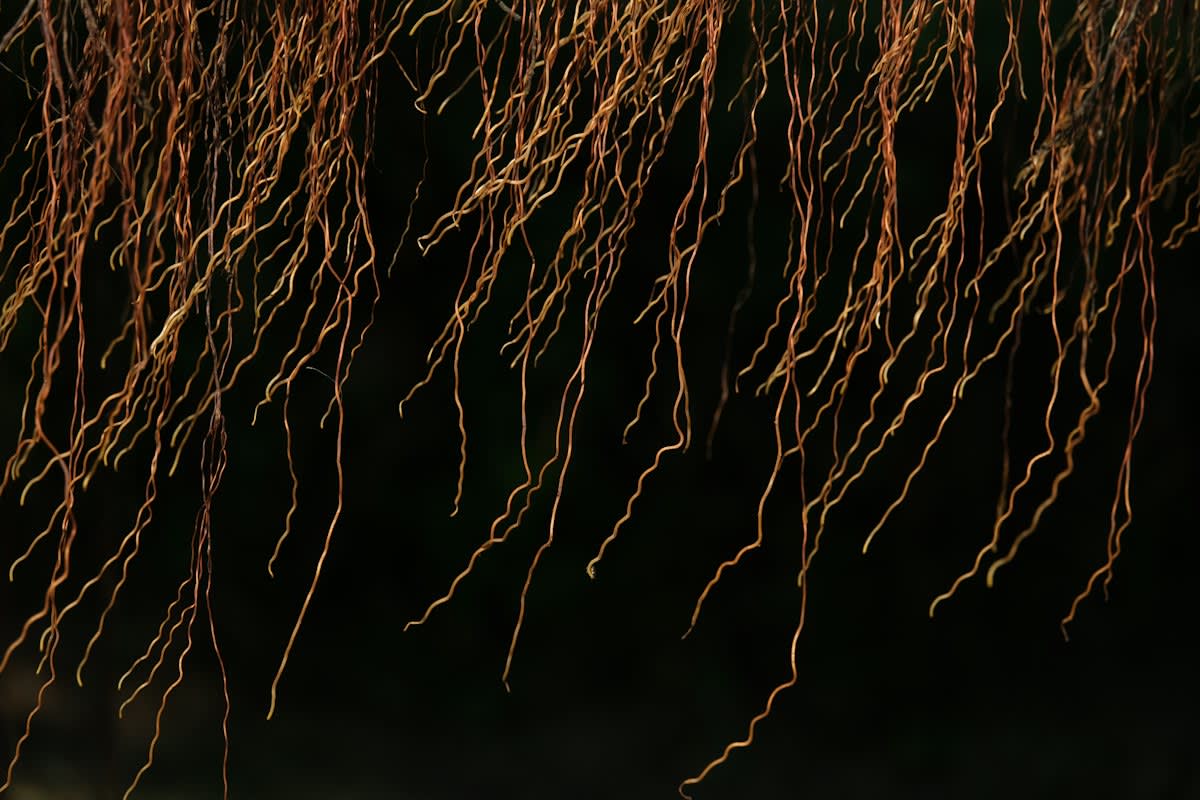
Soil is a liability. While traditional agriculture relies on the unpredictable chemistry of the earth, aeroponics suspends roots in a nutrient-dense fog that accelerates growth cycles by up to 30% (Source: NASA, 2020). This removes the dirt and the disease. Why do we still treat the ground as a sacred necessity when it often acts as a vector for pathogens and a bottleneck for nutrient absorption? The weight of legacy farming is finally lifting.
The Delta of Disruption
Mist is scaling. Twelve months ago, aeroponics remained a niche curiosity for lab-grown greens, but 2024 sees a surge in commercial high-pressure aeroponic (HPA) installations across Asia (Source: AgTech Global, 2024). This shift is aggressive. The data shows a 40% increase in venture capital flowing into soil-less mist systems compared to the previous fiscal year, signaling a recalculation of how we value arable land (Source: Crunchbase, 2024). Precision is the new gold.
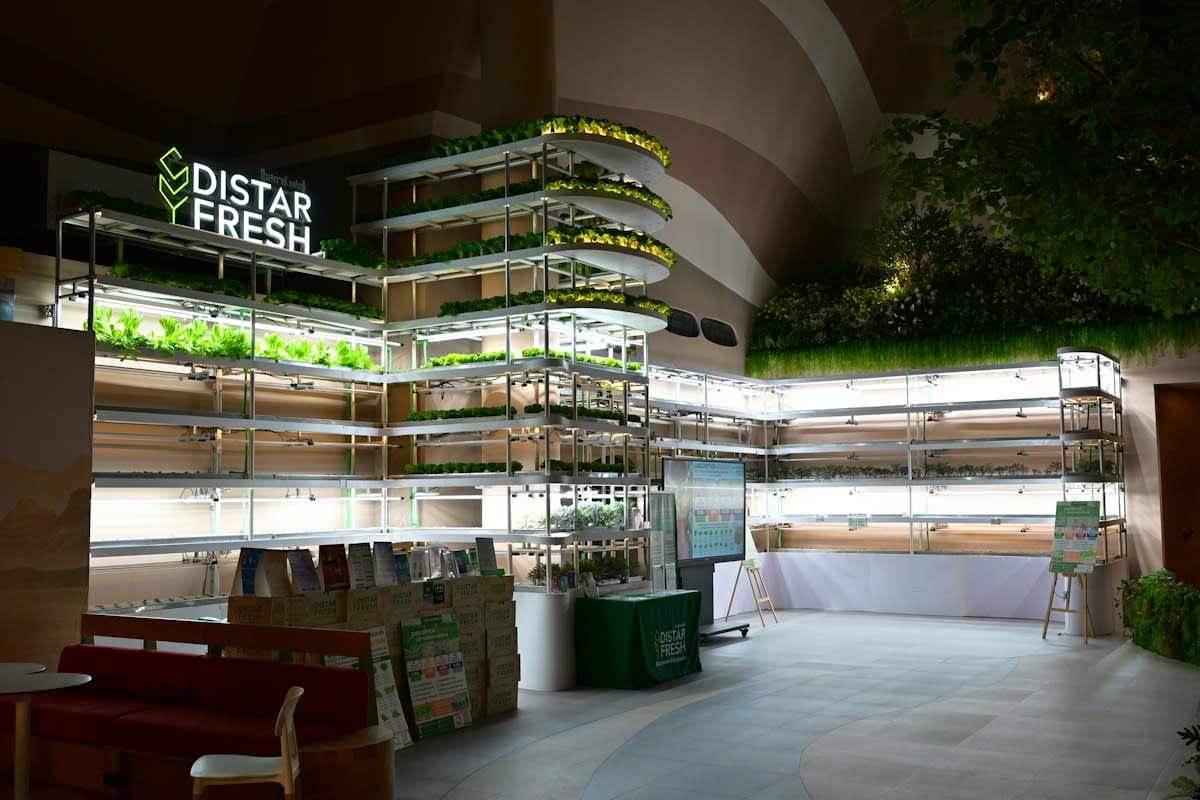
Singapore leads here. In a city-state with virtually no farmland, operators use vertical aeroponic towers to produce leafy greens with 95% less water than traditional field farming (Source: Singapore Food Agency, 2023). Space is a luxury. By stacking these mist-chambers, they produce yields that dwarf traditional plots while eliminating the need for pesticides that usually saturate the soil (Source: World Bank, 2022). The city is becoming a farm.
"The transition from soil to mist is not just about efficiency; it is about the total decoupling of food production from geography."— Dr. Dickson Despommier, Professor of Urban Planning at Columbia University
Deserts are blooming. In the UAE, companies like Badia Farms utilize aeroponic systems to grow berries and greens in temperatures that would incinerate a standard crop (Source: UAE Ministry of Climate Change and Environment, 2023). Heat is a wall. These closed-loop mist systems recycle every drop of moisture, ensuring that the plant receives exactly what it needs without the attrition caused by evaporation (Source: FAO, 2022). The sand is irrelevant.
The Nozzle War: Internal Fray
Practitioners fight daily. The invisible war in aeroponics centers on the nozzle: the high-pressure camp insists on 60-100 PSI to create the finest mist, while the ultrasonic camp argues for vibration-based atomization. Mineral scale is the enemy. A single calcium deposit in a 0.5mm orifice can kill an entire crop in hours because the roots have no soil buffer to lean on during a pump failure (Source: Journal of Plant Nutrition, 2021). This is a high-stakes game of plumbing.
| Metric | Soil Farming | Hydroponics | Aeroponics |
|---|---|---|---|
| Water Usage | 100% | 10-20% | 1-5% |
| Growth Rate | Baseline | +20% | +30-50% |
| Nutrient Control | Low | High | Absolute |
| Disease Risk | High (Soil-borne) | Medium (Water-borne) | Low (Air-borne) |
Energy is the cost. While water waste vanishes, the electrical load required to maintain constant high-pressure misting is substantial (Source: International Energy Agency, 2023). Power is the bottleneck. Current systems require redundant backup generators because a ten-minute power outage in an aeroponic bay is a death sentence for the root system (Source: AgTech Review, 2023). We are trading water for watts.
Japan refines this. In the greenhouses of Chiba, precision aeroponics allow for the cultivation of strawberries with a sugar content (Brix level) far exceeding soil-grown counterparts (Source: Japanese Ministry of Agriculture, 2023). Taste is engineered. By manipulating the mist composition in real-time, growers trigger specific stress responses in the plant that enhance flavor without compromising yield (Source: Plant Physiology Journal, 2022). The fruit is a data point.
Scaling is the goal. The move from small-scale towers to industrial-grade mist-ware is happening now, with some facilities in the Netherlands reporting a 40% reduction in labor costs through automated nutrient dosing (Source: Wageningen University, 2023). Labor is expensive. By removing the need for tilling, weeding, and soil amendment, the entire cost web of farming is rewritten (Source: OECD, 2023). The tractor is obsolete.
Fact-Check & Accuracy Note
The primary academic debate centers on the 'root-zone microbiome'. While aeroponics maximizes nutrient uptake, some researchers argue that the absence of soil fungi (mycorrhizae) reduces the long-term nutritional density of certain root vegetables (Source: Nature Plants, 2021). Most commercial operators dismiss this as a non-issue for leafy greens and herbs.
Editorial Note
This report avoids the usual hype surrounding 'vertical farming' to focus specifically on the delivery mechanism: the mist. The trend identified here is the transition from liquid-based hydroponics to gas-phase aeroponics.