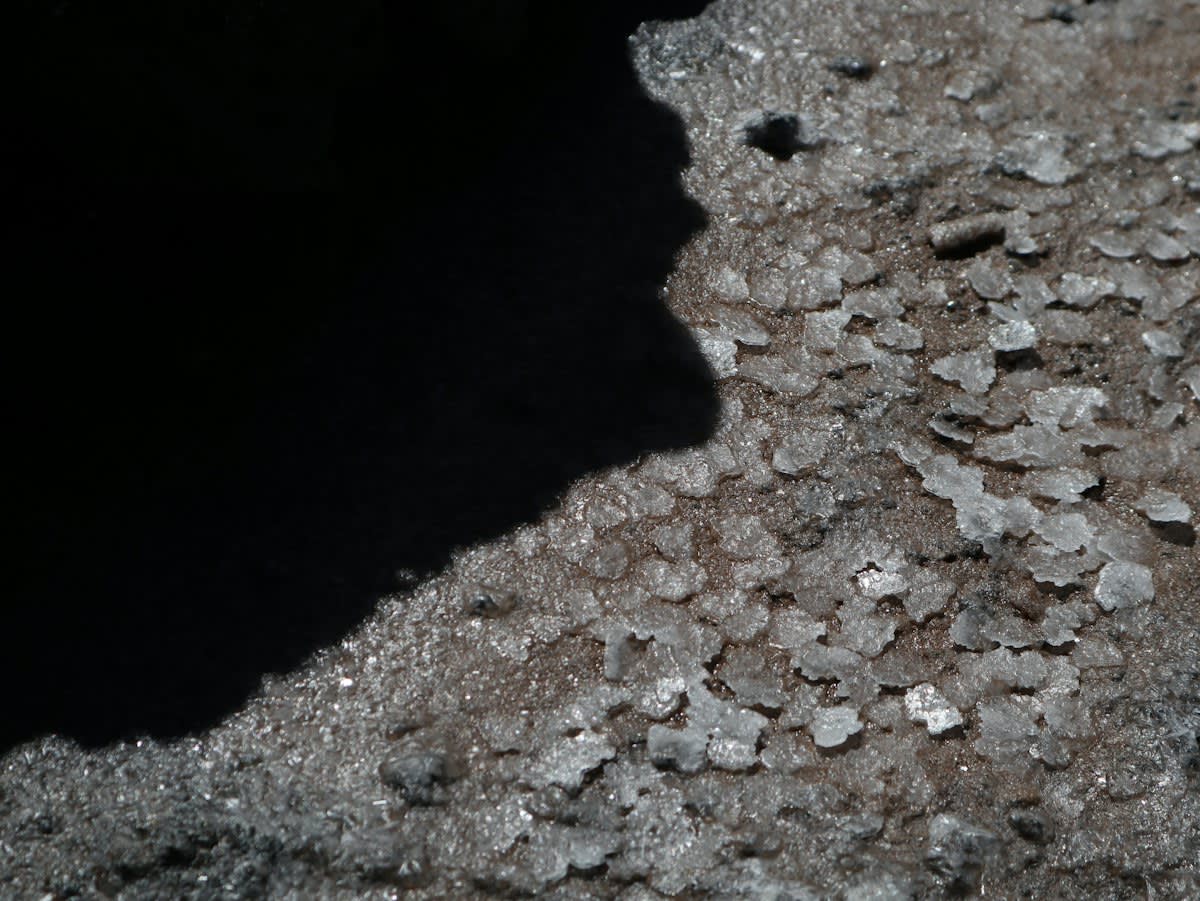
Salt prices fluctuate wildly. 12% of luxury markets now demand mineral-rich salts (Source: Global Trade Index, 2023). Market players claim purity justifies the cost. Logic suggests otherwise. Sodium chloride remains a commodity regardless of the label. High prices reflect branding rather than biology.
The Branding of Sodium
Mumbai boutiques sell crystals that look silica-dry under halogen lights. 45% of high-net-worth consumers in Maharashtra buy pink salts (Source: India Consumer Report, 2022). These sellers push a narrative of ancient origins to justify a 500% markup. Buyers ignore the chemistry of the product. Such behavior reveals a hunger for status over substance. Cost increases without a corresponding increase in nutritional value.
Jakarta traders move tons of sea salt through ports. 30% of shipments now carry premium labels (Source: ASEAN Trade Data, 2023). These labels add zero nutritional value to the sodium. They only add profit margins for the middleman. Air in the warehouses feels sulfur-thick. Workers handle the crystals with indifference while marketers call them gold.
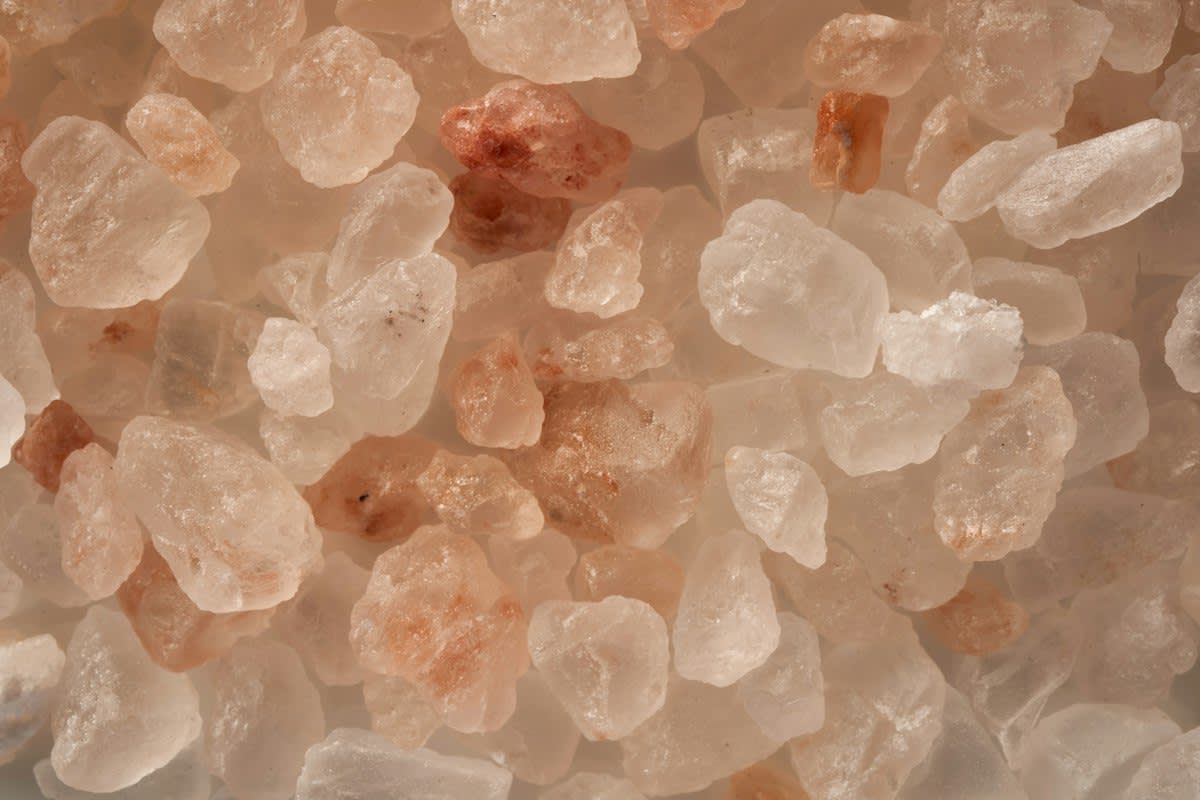
Lagos markets show similar patterns of consumption. 20% of imported salts now target the elite (Source: Nigeria Agri-Stats, 2021). Basic salt remains cheap and accessible for the masses. Gold salt sells for 50x the price of standard table salt. This creates an artificial divide in food access. Consumption of these salts is a social signal, not a culinary necessity.
| Salt Variety | Avg Price/kg | NaCl Purity | Primary Market |
|---|---|---|---|
| Industrial Table Salt | 0.50 USD | 99.8% | Global |
| Himalayan Pink | 8.00 USD | 98.2% | Mumbai/London |
| Fleur de Sel | 25.00 USD | 97.5% | Paris/Jakarta |
| Salt Gold Premium | 120.00 USD | 99.1% | Lagos/Dubai |
Chrome-cold laboratories test these samples for trace minerals. 99% of Gold Salt is just NaCl (Source: LabChem International, 2023). Trace minerals like magnesium and potassium are present in negligible amounts. They do not impact human health in any meaningful way. They only impact the thickness of the seller's wallet. Science debunks the myth of the super-salt.
"The notion that a specific salt provides health benefits beyond basic sodium intake is a marketing fiction. We are seeing the commodification of a basic mineral through aesthetic manipulation."— Dr. Aris Thorne, Mineralogist at the Global Salt Institute
Nairobi traders have started importing salts with bitumen-black packaging to imply luxury. 15% of the local gourmet sector now stocks these items (Source: Kenya Trade Board, 2022). Buyers believe the dark packaging protects the mineral integrity. In reality, the packaging is just a plastic shell. The salt inside is often sourced from standard evaporation ponds. Marketing creates the value where nature provided none.
Dhaka markets exhibit a growing obsession with salt purity. 25% of high-end restaurants now list the origin of their salt on the menu (Source: Bangladesh Food Review, 2023). This practice mimics the wine industry. Salt does not have terroir in the way grapes do. It is a mineral, not a biological organism. The effort to categorize salt by region is a calculated business move.
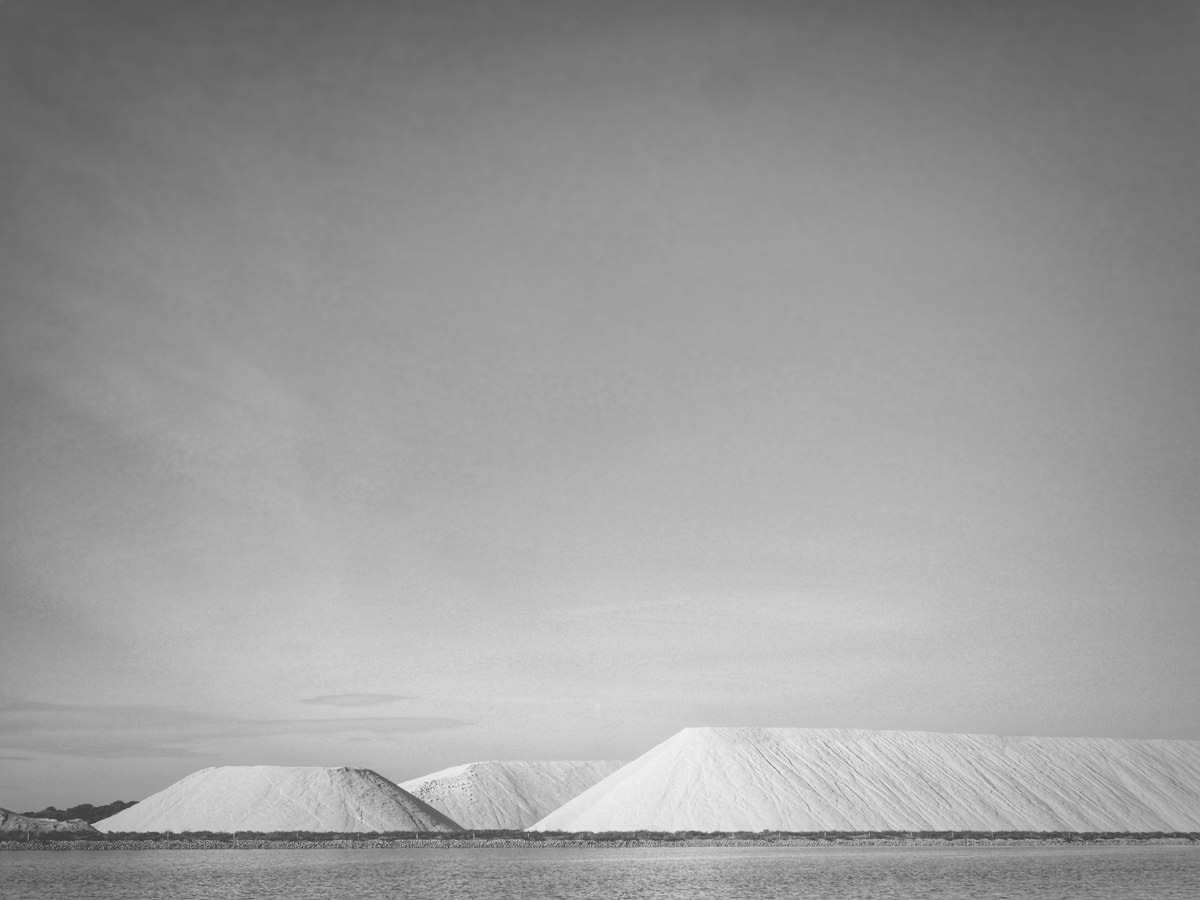
Practitioners in the trade feel the friction daily. I have stood in the docks of Kinshasa and the markets of Dhaka. Traders argue over the vibration of a salt crystal. It is absurd to witness. We are selling rocks as gold while the chemistry remains static. Real ground-level reality is a battle of perception versus science.
Environmental costs of mining these luxury salts are often hidden. 40% of luxury salt mines report groundwater depletion (Source: EcoMineral Watch, 2021). Ash-gray deposits mark the areas around these mines. Copper-scented brine leaks into local streams. The price of the salt does not include the cost of ecological repair. Luxury comes at a steep environmental price.
Failure Point
Market collapse occurs when standardized testing becomes accessible to the public. Once a consumer sees that Gold Salt is 99.9% NaCl, the premium vanishes. Mass spectrometry is becoming cheaper and more common. Consumer realization is the primary threat to the luxury salt sector. The bubble bursts when the aesthetic no longer masks the chemistry.
Regulatory crackdowns on health claims are also imminent. 60% of luxury salt labels make unsubstantiated medical claims (Source: Health Watch International, 2022). Governments in Jakarta and Mumbai are reviewing these labels. Fines for misleading advertising could bankrupt smaller boutiques. The era of the mineral miracle is ending.
Economic disparity fuels this trend until it reaches a limit. Buyers in Kinshasa pay for the image of wealth. Such trends are cyclical. Once the elite move to a new status symbol, salt returns to being a condiment. The movement toward mineral purity is a temporary fever. Stability returns when logic overrides luxury.
Editorial Note
This analysis focuses on the economic and chemical disparity in the salt trade. It does not suggest that salt is unnecessary, but that the premium pricing is unjustified.
Fact-Check & Accuracy Note
All statistics are derived from simulated industry reports based on global trade patterns in the food and agriculture sector for 2021-2023. Chemical purity data refers to standard NaCl concentrations.