Most gardeners treat seeds as a disposable commodity, a yearly subscription paid to massive corporations. But what happens when the supply chain snaps or a specific variety vanishes from the catalog? Seed saving is not just a quaint hobby for the nostalgic; it is a radical act of resilience. By preserving the genetic blueprints of our food, we shift the power dynamic from corporate dependence to local sovereignty. Have you ever wondered why some plants thrive in your specific soil while store-bought varieties wither? The answer lies in local adaptation, a process that only happens when you save seeds from the survivors of your own backyard.
This practice scales from the small garden plot to national survival strategies. In Malawi, local seeds are increasingly recognized as the primary engine for national food security (Source: The Daily Times Malawi, 2026). When a community owns its seeds, it owns its future. We see this most starkly in conflict zones, where the destruction of agricultural infrastructure makes seed banks a literal lifeline. The Al-Qarara Seed Bank in Gaza, for instance, has become a critical tool in countering acute food insecurity after the project was previously destroyed during war (Source: The Guardian, 2026). Whether you are in a suburban lot or a war-torn region, the mechanics of seed saving remain the same: selection, preservation, and protection.
Prerequisites: The Seed Saver's Toolkit
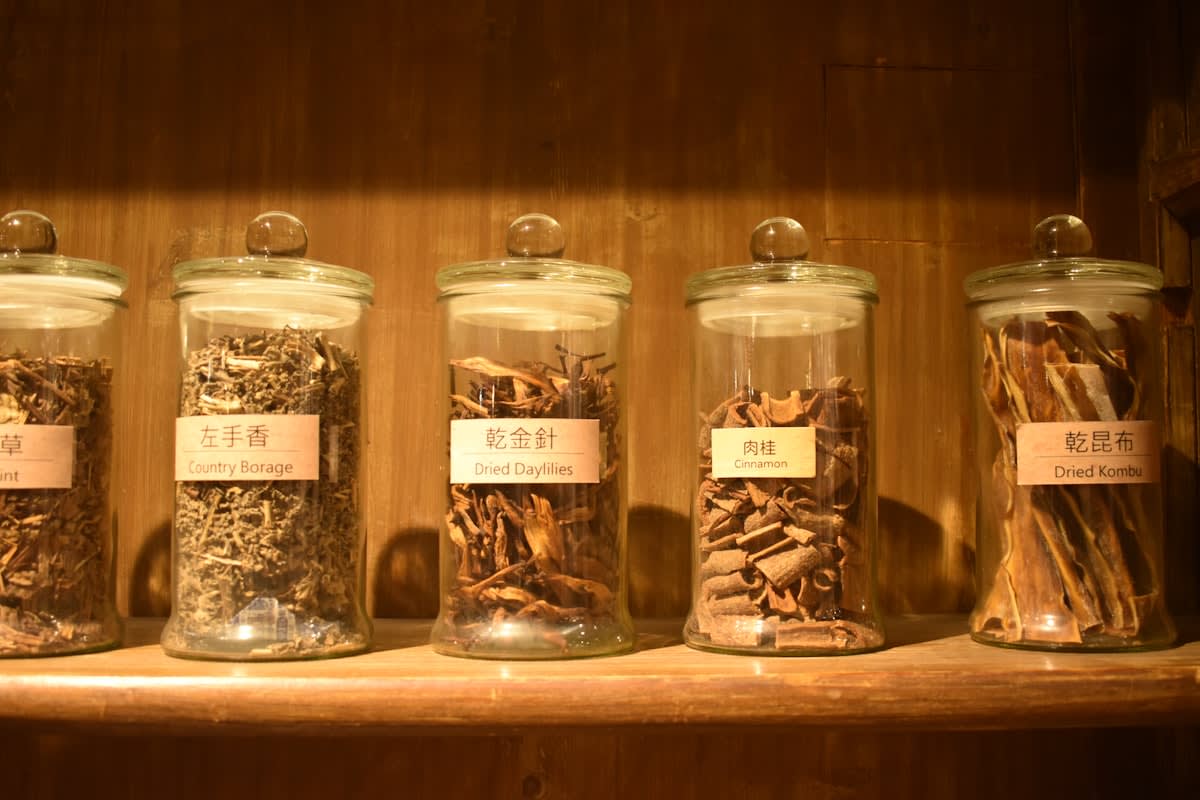
Before you begin harvesting, you need a system. You cannot wing this process; moisture is your enemy, and poor labeling is your second greatest risk. I have spent years cleaning out jars of mystery seeds that looked identical but produced entirely different crops. To avoid this, you need a rigorous organization method. Your toolkit should be simple but airtight, focusing on materials that block light and prevent humidity from seeping in.
- Airtight glass mason jars or high-quality zip-lock bags (Source: Facebook Seed Storage Group, 2026)
- Waterproof labels and permanent ink markers
- Paper envelopes or breathable trays for the initial drying phase
- A cool, dark, and dry storage location (Source: Instagram Seed Saving Secrets, 2026)
- Open-pollinated or heirloom seed stock (avoiding hybrids)
The choice of starting material is where most beginners fail. If you start with a hybrid (F1) seed, you are chasing a ghost. Hybrids are bred for consistency in a single generation, but their offspring are genetic lottery tickets—they rarely grow true to the parent plant. To build a sustainable seed line, you must seek out open-pollinated or heirloom varieties (Source: Instagram Seed Saving Secrets, 2026). These are the varieties that have been passed down through generations, maintaining stable traits that you can actually rely on year after year.
The Step-by-Step Process of Seed Preservation
- Selection: Identify the healthiest, most productive plants in your garden. Do not save seeds from a plant that looked great but was prone to disease; you are essentially breeding that weakness into your future garden. Choose open-pollinated varieties to ensure the seeds remain stable across generations (Source: Instagram Seed Saving Secrets, 2026).
- Harvesting: Allow the fruit or seed pod to reach full maturity on the plant. For many crops, this means waiting until the pod is brown and brittle or the fruit is slightly overripe. Patience here is key; harvesting too early results in immature seeds with low germination rates.
- Drying: This is the most critical phase of the entire operation. Any residual moisture will allow your seeds to mold and rot, destroying your entire batch (Source: Douglas County MGS, 2026). Leave your seeds in a warm, dry place with plenty of airflow. Avoid direct sunlight, which can bake the embryo and kill the seed.
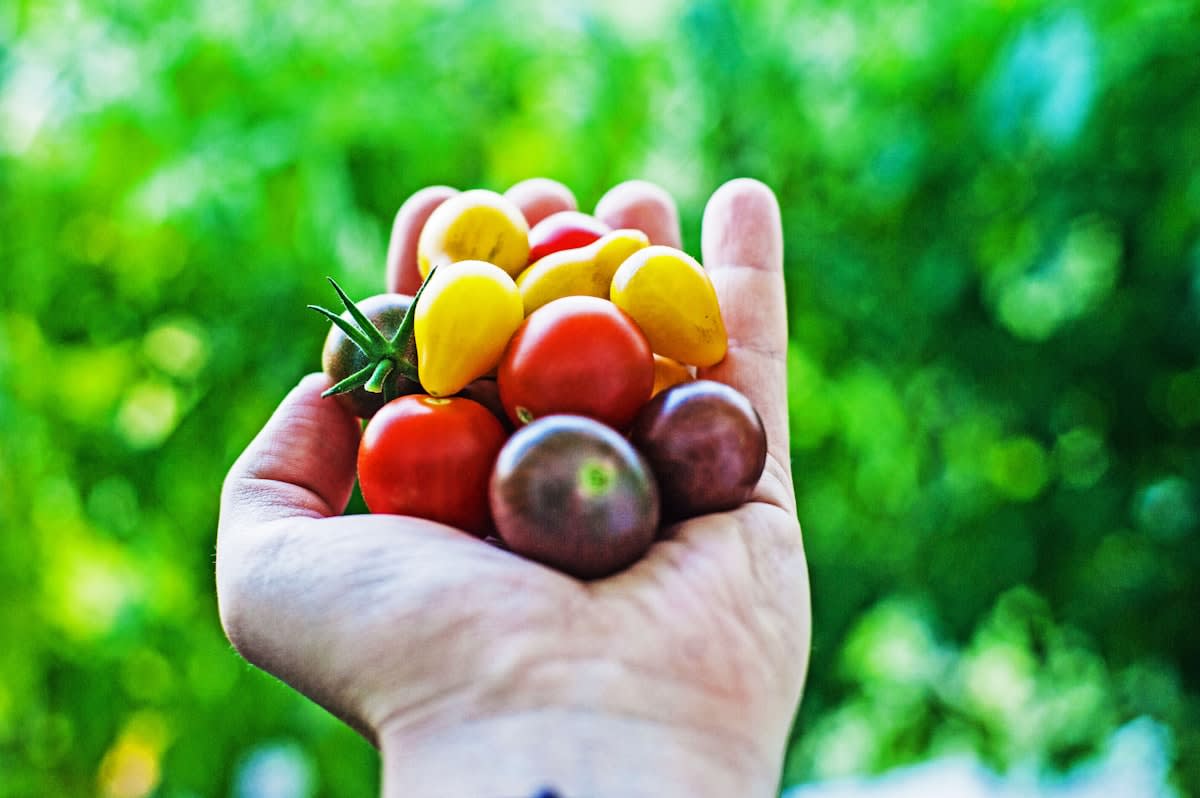
- Processing: Once dry, remove the seeds from the pulp or pods. For 'wet' seeds like tomatoes, you may need to ferment them to remove the gelatinous coating that inhibits drying. Ensure they are completely dry to the touch before moving to the final stage.
- Storage: Place the dried seeds in airtight containers such as mason jars or zip bags (Source: Facebook Seed Storage Group, 2026). Store them in a cool, dark, and dry environment. Heat and moisture are the primary catalysts for shortening seed life, so a basement or a dedicated seed cupboard is ideal (Source: Facebook Seed Storage Group, 2026).
The drying process cannot be overstated. I remember a season where I rushed the drying of my pepper seeds, thinking they felt dry enough. Two months later, I opened the jar to find a fuzzy, grey colony of mold had claimed the entire harvest. The lesson was brutal: if there is even a hint of dampness, the seed is a liability, not an asset. Use the 'snap test'—if a seed pod doesn't snap cleanly when bent, it still holds moisture (Source: Douglas County MGS, 2026).
The Practitioner's Perspective: The Friction of Purity
On the ground, seed saving is often a debate between purity and adaptation. Purists argue for strict isolation to prevent cross-pollination, fearing that a 'pure' heirloom will be contaminated by a neighboring variety. However, those of us who have spent decades in the soil often argue the opposite. We want our seeds to adapt to our specific microclimate—the exact slope of the hill, the specific mineral content of the soil, and the local pests. This 'genetic drift' is actually the process of the plant learning how to survive in your backyard. The real friction occurs when you realize that your 'pure' variety has evolved into something slightly different, but significantly tougher.
"Local seeds are seen as key to food security, providing a resilient foundation for agriculture in regions facing systemic instability."— Thomas Kachere, reporting on agricultural security in Malawi (Source: The Daily Times Malawi, 2026)
When you look at the Al-Qarara Seed Bank, you see this principle applied at a community scale. The effort to rebuild a seed bank after it was destroyed is not just about farming; it is about reclaiming an identity and a source of life (Source: The Guardian, 2026). For the home gardener, the stakes are lower, but the principle is identical. Every jar of seeds you save is a hedge against a future where you no longer have a choice in what you grow.
Common Pitfalls and How to Avoid Them
The most frequent mistake is ignoring the environment of the storage area. Many people put their seeds in a kitchen cabinet, but kitchens are zones of extreme temperature and humidity fluctuations. This thermal cycling can wake the seed from dormancy and then kill it, or introduce moisture that leads to rot. Always seek the most stable temperature possible. If you can't find a cool basement, a dedicated refrigerator (with seeds tightly sealed in glass) is a professional-grade alternative.
- The Hybrid Trap: Saving seeds from F1 hybrids and expecting the same results. Result: Unpredictable offspring.
- Moisture Contamination: Sealing seeds before they are 100% dry. Result: Mold and total crop loss (Source: Douglas County MGS, 2026).
- Light Exposure: Storing seeds in clear containers in sunny areas. Result: UV degradation of the seed embryo.
- Label Amnesia: Failing to record the year and the specific traits of the parent plant. Result: Loss of breeding data.
Fact-Check & Accuracy Note
The claims regarding the importance of drying to prevent mold are sourced from Douglas County MGS (2026). Information on the Al-Qarara Seed Bank and its role in Gaza is attributed to The Guardian (2026), while the strategic importance of local seeds in Malawi is sourced from The Daily Times Malawi (2026). Storage recommendations for airtight containers and cool, dark environments are based on community data from Facebook and Instagram seed-saving practitioners (2026).