
Prerequisites for Bio-Regenerative Hedging
Market volatility is a constant, but the vulnerability of the producer is a choice. To move beyond the fragility of spot prices, a producer must first secure the underlying asset: the land. Secure land tenure and a reliable regulatory setting are non-negotiable foundations. In Australia, for instance, these factors have made the region a magnet for private capital, attracting billions into sustainable farming and environmental restoration. Without stable tenure, the long-term investment required for soil regeneration becomes a gamble rather than a strategy.
- Verified land tenure and secure regulatory standing
- Comprehensive baseline soil organic matter (SOM) data
- Access to diverse, climate-resilient seed banks
- Established relationships with value-chain aggregators
- Carbon and biodiversity monitoring infrastructure
Step 1: Establish the Baseline Rotation
You cannot optimize what you have not measured. The first execution step involves identifying the most common crop rotation in your specific rainfall zone to serve as a baseline. Recent farming systems trials in southern Australia demonstrate that using local grower norms as a reference point allows for the identification of profitability gaps without increasing risk. Why settle for traditional cycles when data shows opportunities to improve profit by adjusting the sequence of crops? This process removes the guesswork and replaces it with a scientific benchmark for reliability.
- Map your land into high, medium, and low-rainfall zones to determine localized crop suitability.
- Audit the current rotation cycles used by the top 20% of local producers to establish the regional baseline.
- Benchmark current profit margins against these baseline systems to identify leakage points.
- Introduce one variable change—such as a cover crop or a diverse legume—to test the impact on soil health versus yield.
Step 2: Execute Conservation Agriculture (CA) Protocols
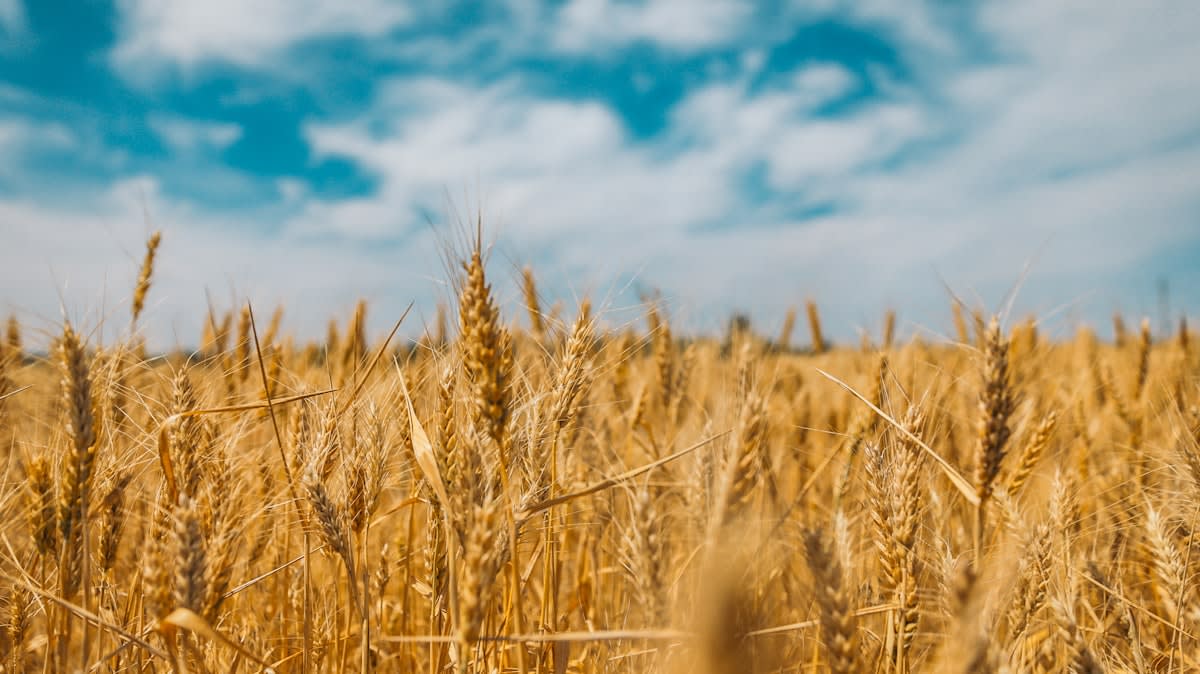
Biological resilience is built through minimum soil disturbance and residue retention. The Water & Soil Accelerator (WASA) Program in Central Malawi and Zambia provides a clear model for this. By focusing on Conservation Agriculture, smallholder farmers are testing the practical limits of crop diversification and maize varietal assessment. When you stop ripping the soil open and start retaining crop residues, you create a biological sponge that buffers the crop against drought and floods. This isn't about organic purity; it is about climate resilience as a core financial asset.
- Minimize soil disturbance through no-till or strip-till methods to preserve fungal networks.
- Maintain permanent soil cover by retaining crop residues to prevent erosion and moisture loss.
- Implement crop diversification to break pest cycles and naturally fix nitrogen in the soil.
- Conduct varietal assessments to select seeds that perform under the specific stresses of your micro-climate.
The Resilience Factor
Soil and water management must be treated as a core part of financial risk management. A field that retains water is a field that survives a price crash during a drought.
Step 3: Integrate into Regenerative Value Chains
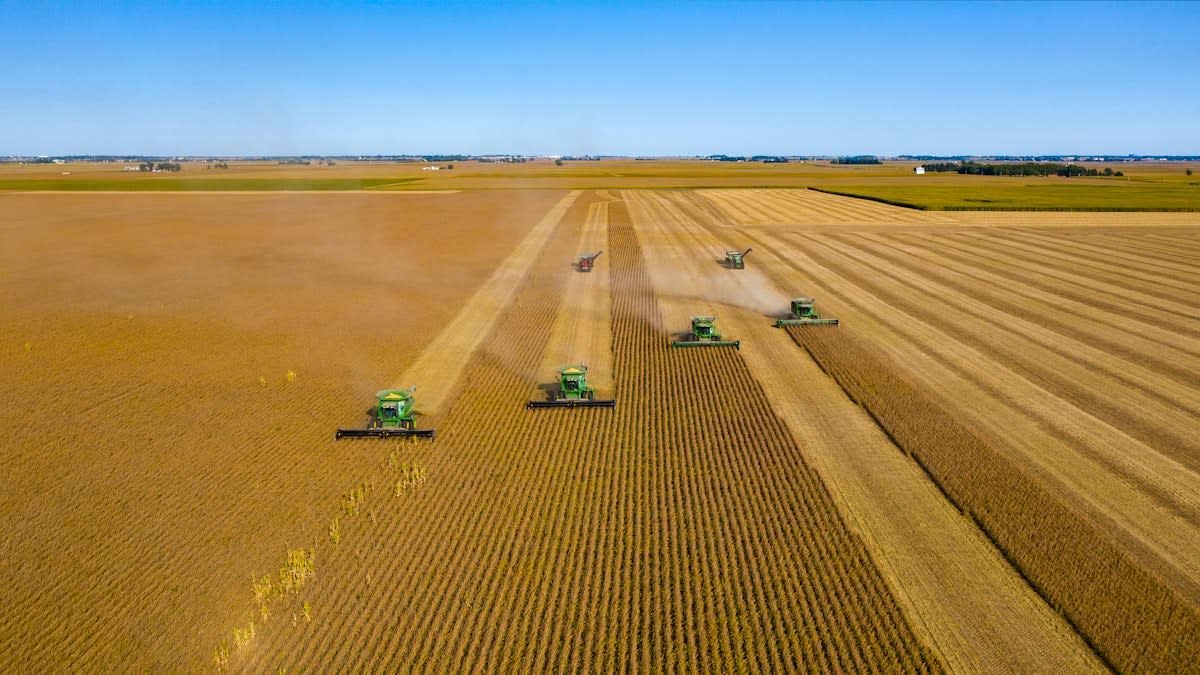
Individual farmers cannot hedge global markets alone. The solution lies in collective action across the value chain. Look at the partnership between General Mills, ADM, and Walmart, which is accelerating regenerative agriculture across 40,000 acres of wheat in the US Midwest. By aligning the grower, the processor, and the retailer, the risk of transitioning to regenerative practices is shared. This collaboration ensures that the produce has a guaranteed destination and that the farmer is supported through the transition period.
"This strategic collaboration with Walmart and ADM underscores the importance of collective action across the value chain, and we hope it inspires others to see whats possible when companies invest together."— Jay Watson, Senior Director of Sustainability at General Mills
Step 4: Monetize Natural Capital Streams
The ultimate hedge is the creation of multiple income streams that are uncorrelated with grain prices. Australia is currently leading this charge, with $6.3 billion flowing into green capital. Progressive farmland investment now integrates nature repair and carbon sequestration projects alongside traditional production. While the share of nature-positive capital dedicated solely to sustainable farming has dropped from 68% to 36%, this represents a diversification into forestry and ecosystem conservation. By selling carbon credits or biodiversity offsets, a farmer can cover operating costs even when grain prices plummet.
| Capital Focus | Previous Share of Nature-Positive Capital | Current Trend |
|---|---|---|
| Sustainable Farming | 68% | Decreasing (towards 36%) |
| Forestry & Carbon Projects | Lower | Increasing |
| Ecosystem Conservation | Lower | Increasing |
Step 5: Long-term Resource Optimization
Future-proofing requires a look at the 2050 horizon. A study published in Nature suggests that combining sustainable agricultural intensification with healthier diets and a 50% reduction in food waste could reduce global agricultural land use by 6% to 42%. For the producer, this means the value will shift from sheer volume to high-efficiency, low-impact production. Those who have already invested in soil health will possess the most valuable land in a world where land use is contracting but demand for nutrient-dense food is rising.
Common Pitfalls in Bio-Regenerative Transition
Many producers fail because they treat regeneration as a moral imperative rather than a financial strategy. The most dangerous error is ignoring local ecological baselines in favor of a one-size-fits-all approach. Others fall into the trap of greenwashing, chasing carbon credits that lack rigorous verification, which can lead to stranded assets when regulatory standards tighten. Finally, attempting the transition without a value-chain partner often leads to a cash-flow crisis during the initial yield dip that frequently accompanies the shift to no-till systems.
- Applying 'universal' regenerative rules to unique rainfall zones
- Over-reliance on single-source carbon credit markets
- Neglecting the baseline audit before implementing changes
- Transitioning without a locked-in buyer or value-chain agreement