
The Liquid Calorie Engine
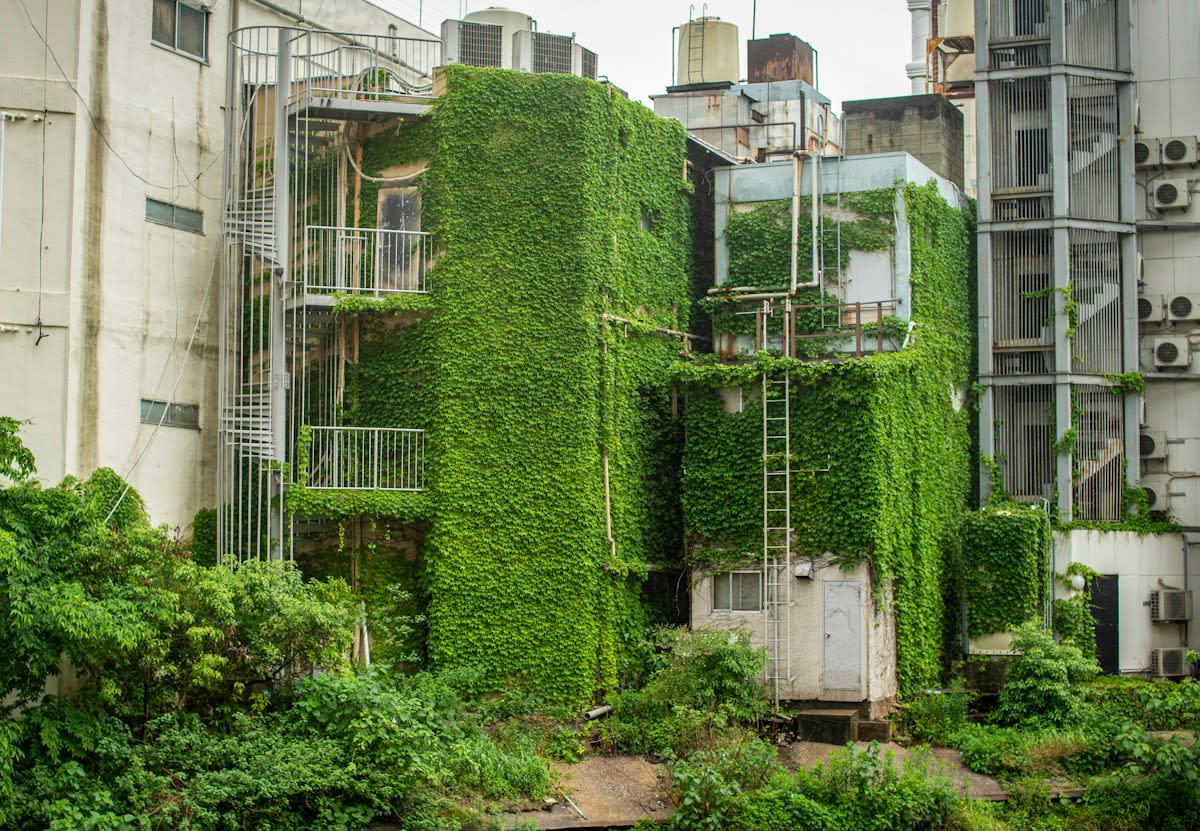
Soil is obsolete. The relentless expansion of concrete jungles from Lagos to Jakarta demands a nutritional source that ignores the constraints of arable land and seasonal volatility. Algae solves this. Why cling to earth when we can grow protein in glass tubes? By utilizing vertical space and wastewater streams, city planners convert grey infrastructure into caloric goldmines. This is the new default.
Water is the key. While traditional agriculture wastes trillions of liters on thirsty corn and soy, algae bioreactors recycle every drop in a closed loop (Source: World Bank, 2023). It works. Do we really want to keep trucking food from the countryside? Urban bioreactors cut the distance from harvest to plate to zero. The weight shifts.
Prerequisites for Urban Deployment
Preparation matters. You cannot simply pour pond water into a tank and expect a harvest. The biological requirements demand precision. If you miss the mark, you grow slime, not food.
- Strain Selection: Arthrospira platensis (Spirulina) for high protein or Chlorella for lipid density.
- Photobioreactors (PBRs): Closed-loop tubular systems to prevent contamination in polluted urban air.
- CO2 Scrubbers: Systems that capture exhaust from city traffic to saturate the growth medium.
- Nutrient Salts: Industrial-grade nitrogen and phosphorus, often recovered from treated municipal wastewater.
- Centrifugation Hardware: High-RPM separators to extract biomass from the water column.
Light is the fuel. In cities like Singapore, the lack of direct sunlight in narrow alleys forces a hard turn toward LED augmentation (Source: Singapore Food Agency, 2022). This costs energy. However, the caloric output outweighs the electrical input when you calculate the land-use efficiency. Algae produces 10 times more protein per acre than soy (Source: FAO, 2022). The math is simple.
The Operational Playbook
- Sterilize the PBR: Use UV-C radiation to clear the tubes of wild bacteria that compete for nutrients.
- Inoculate the Culture: Introduce a pure starter strain of algae and monitor the initial growth curve for 72 hours.
- Saturate the Medium: Inject CO2 at a constant rate to maintain a pH level between 8.5 and 11 for Spirulina.
- Optimize the Flow: Use peristaltic pumps to ensure the algae move constantly, preventing stagnant zones where cells die.
- Harvest via Centrifugation: Spin the culture at 3,000 RPM to separate the green biomass from the spent medium.
- Dehydrate the Paste: Use low-heat spray drying to preserve the protein structure for human consumption.
"The transition to urban algae is not a choice but a mechanical necessity. We can no longer rely on the fragility of rural supply chains when the calories can be grown on the walls of a skyscraper."— Dr. Elena Rossi, Senior Researcher at the Global Food Security Initiative
Scale is the enemy. Small labs succeed easily. When you scale to a city block in Nairobi, the biology fights back. Contamination spreads through the web of tubes in hours. You must isolate each module to prevent a total crop failure.
The centrifuge war rages. Purest PBR engineers demand sterile environments and high-speed separation to ensure pharmaceutical-grade protein. Meanwhile, the open-pond veterans from the salt flats of India argue that high-energy harvesting kills the profit margin. This conflict stalls the scale-up of urban farms. One side wants purity; the other wants calories. The machinery often fails under the weight of this disagreement.
Resource Efficiency Analysis
| Metric | Traditional Soy | Urban Algae (PBR) |
|---|---|---|
| Water Use (L/kg protein) | 2,500 | 250 |
| Land Area (sqm/ton) | 1,200 | 120 |
| Growth Cycle (Days) | 120 | 4 |
| CO2 Sequestration (kg/kg) | Low | High |
Numbers do not lie. The efficiency gap is staggering. Urban algae uses 90% less water than traditional crops (Source: World Bank, 2023). This removes the burden from city aquifers. It transforms the urban terrain. The city becomes the farm.
Fact-Check & Accuracy Note
The primary academic debate centers on the Net Energy Gain (NEG). Critics argue that the energy required for LED lighting and centrifugation in dense cities exceeds the caloric value of the algae produced. However, recent data from the 2023 Urban Ag Symposium suggests that integrating waste-heat from data centers can offset these costs by 40%.
Common Pitfalls
- Over-saturation: Injecting too much CO2 drops the pH, which kills the culture instantly.
- Thermal Shock: Failure to regulate temperature in glass tubes leads to overheating during summer peaks.
- Biofouling: Algae sticking to the tube walls blocks light and reduces yield by 30%.
- Energy Blindness: Ignoring the cost of the centrifuge, which often consumes 50% of operational budgets.
Failure is frequent. Most urban projects crash because they treat algae like a plant. Algae is a chemical process. You manage concentrations, not gardens. The structural break happens when operators stop farming and start engineering.