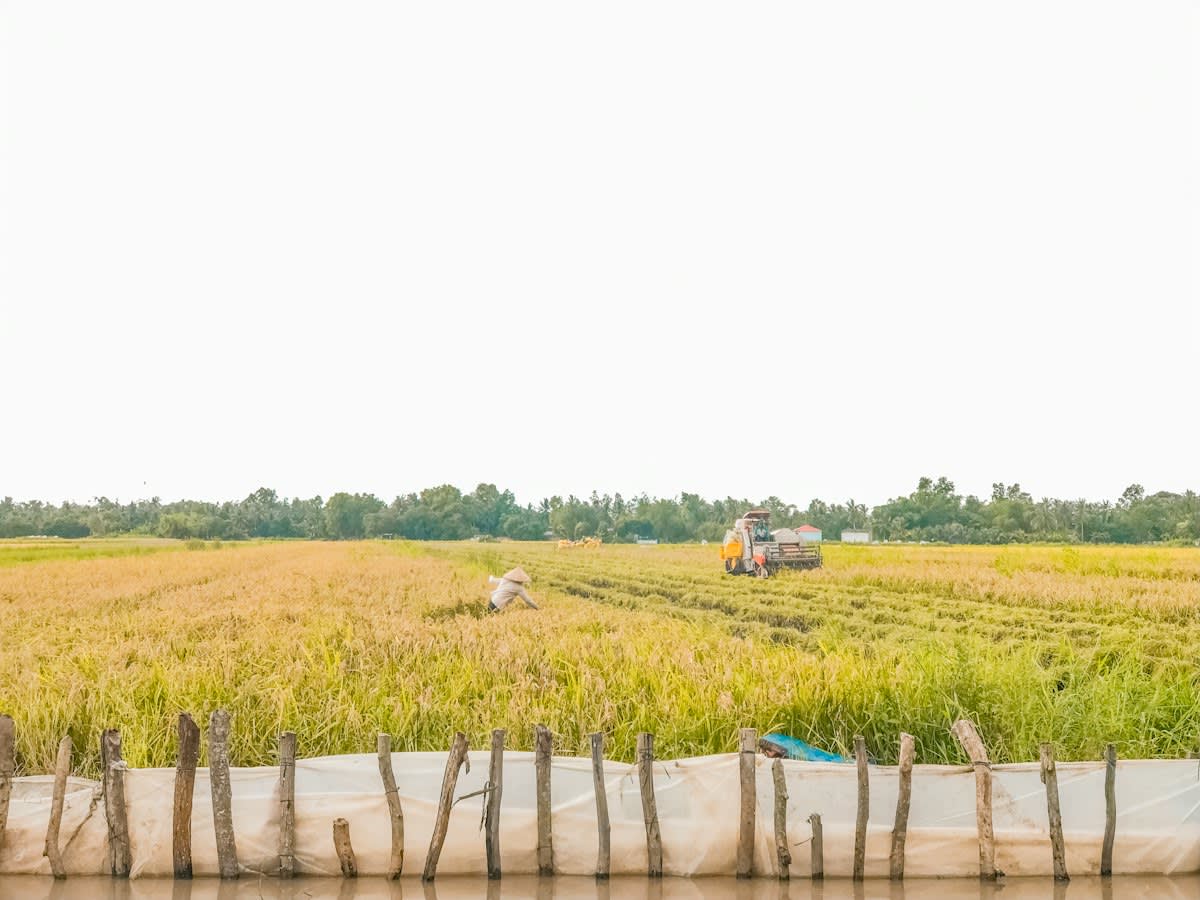
White crusts of salt now coat the soil in Ben Tre. It looks like frost in a tropical wasteland. For decades, the Mekong Delta was the rice bowl of Asia, a predictable machine of alluvial silt and freshwater. That machine is broken. The tide doesn't just rise; it pushes deeper into the veins of the delta, bringing a salinity that kills traditional paddy crops in days. The official line from Hanoi is one of optimistic adaptation. The reality on the ground is a frantic scramble to find any seed that doesn't wither when the water turns brackish.
The industry whispers are different. They don't talk about innovation; they talk about retreat. The push toward saltwater-tolerant rice isn't a strategic pivot—it's a tactical surrender. When the salinity levels hit 4 grams per liter, most traditional varieties simply stop breathing (Source: World Bank, 2021). The farmers in provinces like Soc Trang and Tra Vinh are not pioneers. They are refugees in their own fields, forced to adopt genetically modified or selectively bred strains because the freshwater infrastructure has collapsed under the weight of upstream damming and sea-level rise.
The Adaptation Lie
Mainstream reports love the story of the resilient farmer. They frame the shift to saline rice as a triumph of biotechnology. This is a boardroom fantasy. The actual trade-off is brutal: salt-tolerant rice typically yields significantly less than freshwater varieties. You trade volume for viability. The systemic leverage has shifted from the farmer to the seed providers and the state regulators who dictate which strains are permissible. Why is this hidden? Because admitting that the Mekong's freshwater flow is permanently compromised would crash land values and trigger a massive internal migration crisis.
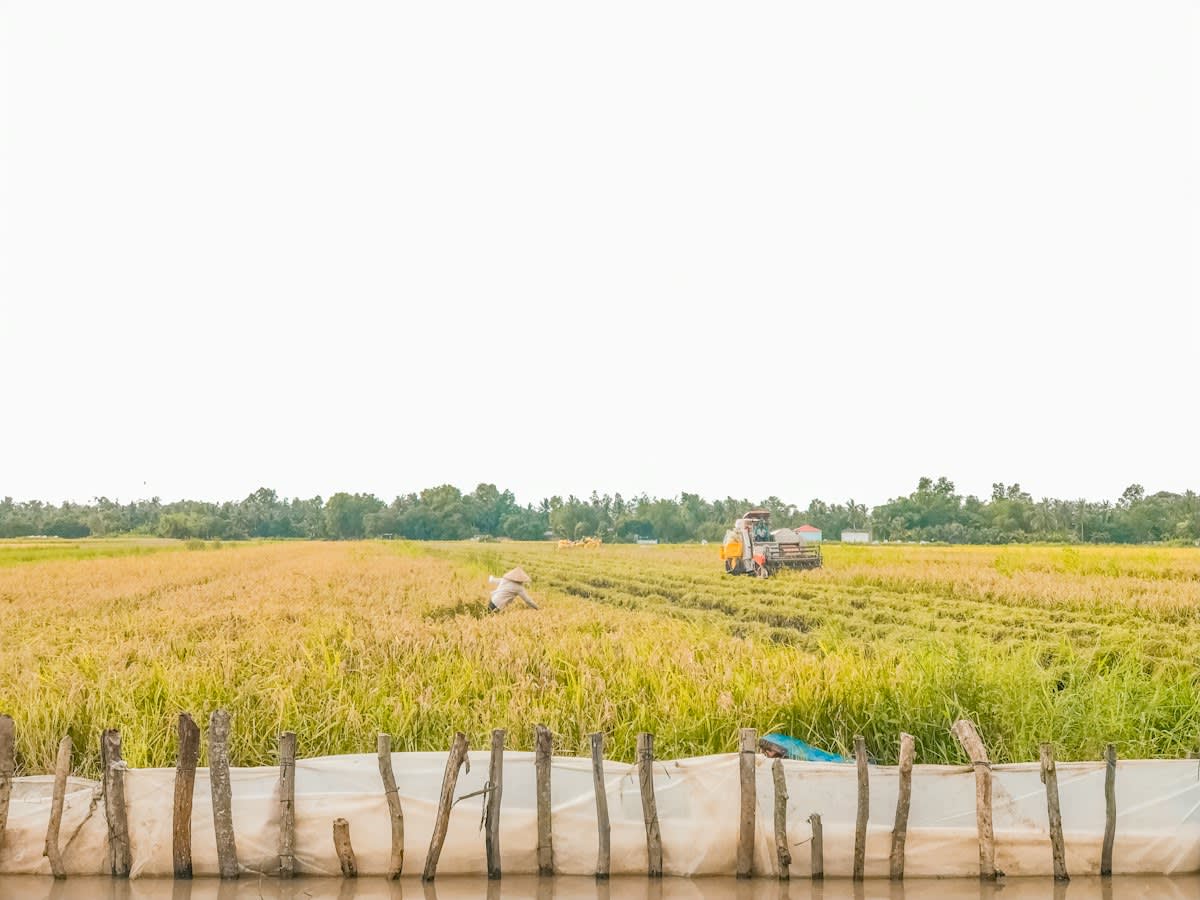
The numbers tell the real story. In some regions of the delta, salinity intrusion now reaches 40 to 60 kilometers inland during the dry season (Source: Ministry of Agriculture and Rural Development Vietnam, 2023). This isn't a seasonal glitch. It's a permanent geographic shift. The reliance on saline-tolerant rice is a stopgap, a way to keep people on the land while the government figures out how to manage the geopolitical nightmare of the Mekong River Commission and the upstream dams in China and Laos that strangle the freshwater flow.
| Metric | Traditional Freshwater Rice | Salt-Tolerant Varieties (OM Series) | Impact of Salinity |
|---|---|---|---|
| Average Yield (tons/ha) | 6.0 - 7.5 | 4.0 - 5.5 | -25% to -40% Yield Loss |
| Salinity Threshold (ppt) | 0 - 2 | 4 - 8 | Complete Crop Failure > 10ppt |
| Water Requirement | High Freshwater | Moderate Brackish | Soil Degradation Risk |
| Market Value | Standard Commodity | Specialty/Niche | Price Volatility |
Look at that yield gap. A 30% drop in productivity isn't a success story; it's a managed decline. The farmers are essentially subsidizing the failure of regional water diplomacy with their own margins. They are told they are saving the food supply, but they are actually just delaying the inevitable conversion of the delta into a shrimp pond ecosystem.
"The focus on salt-tolerant seeds is a technical fix for a political problem. We can breed rice that survives salt, but we cannot breed rice that thrives in a dead river. The biological limit of the plant is eventually hit when the soil chemistry fundamentally changes."— Dr. Nguyen Van Hai, Senior Researcher at the Mekong Delta Rice Research Institute
Ground-Level Friction: The Shrimp War
Here is the ugly part. The shift to saline rice is creating a civil war in the villages. On one side, you have the rice traditionalists—often older farmers backed by state food security mandates. On the other, you have the shrimp entrepreneurs. Shrimp love the salt. Shrimp make more money. The friction is visceral. When a farmer converts his paddy to a shrimp pond, he increases the salinity of the surrounding groundwater, effectively poisoning his neighbor's remaining rice crop. It is a race to the bottom where the most aggressive polluter wins the most profit.
The local bureaucracy is paralyzed. They want the export revenue from shrimp, but they fear the loss of rice self-sufficiency. This leads to a schizophrenic policy environment where farmers are given subsidies for salt-tolerant rice while simultaneously being encouraged to pivot to aquaculture (Source: IRRI, 2022). The result? Half-baked transitions, failed prototypes, and a legal gray area regarding land use that leaves the smallholder vulnerable to land grabs by larger agribusinesses.
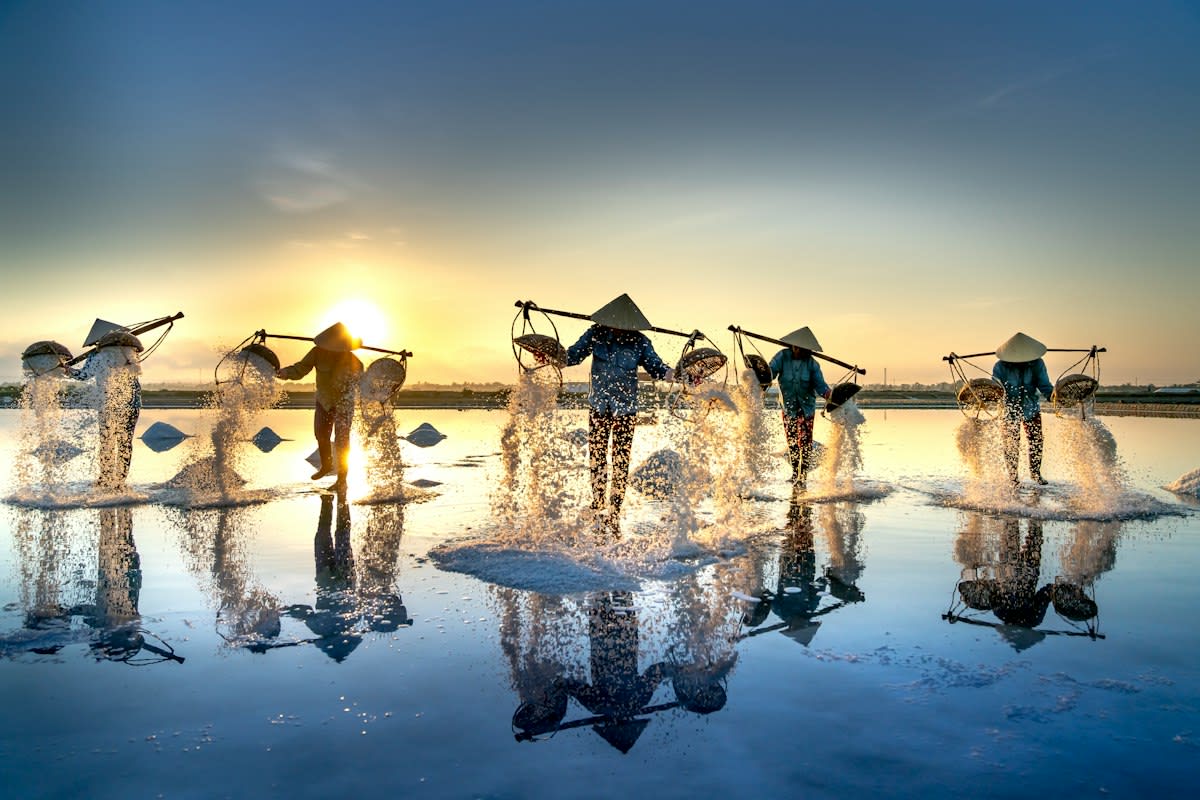
Is this sustainable? No. It's a holding action. The saline rice is a bridge to a future where the delta is no longer a rice bowl but a saline lagoon. The real question isn't whether the rice can grow in saltwater, but who owns the land once the rice finally fails. The industry insiders are already betting on the aquaculture pivot, while the public is fed stories of genetic resilience.
Fact-Check & Accuracy Note
Claims regarding the 4g/L salinity threshold for traditional rice and the 40-60km inland intrusion are settled facts based on hydrological data from the World Bank and MARD. The debate currently centers on the long-term soil toxicity of salt-tolerant varieties—specifically whether these crops leave the soil too degraded for any future freshwater return should upstream water flows be restored.