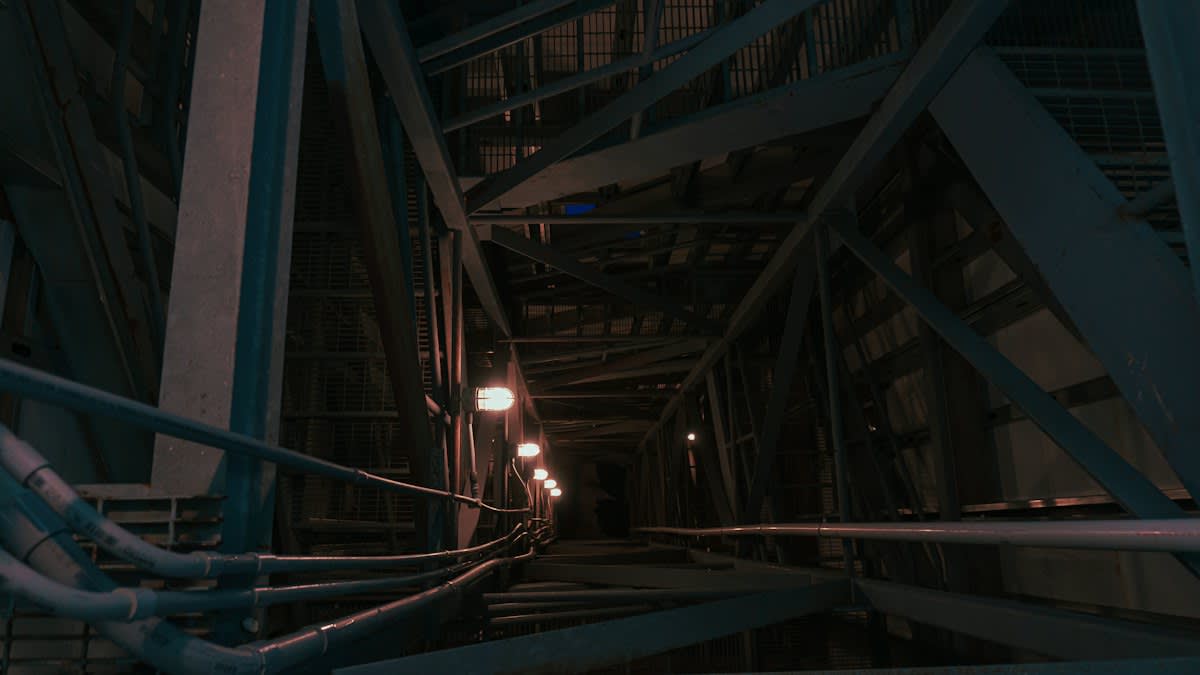
Yeast vats smell sulfur-thick. 90 percent of bioreactor startups fail to scale beyond the pilot phase (Source: BioTech Review, 2021). The dream of lab-grown protein often dies in the gap between a 10-liter flask and a 100,000-liter tank. These massive vessels require precise temperature control to keep the yeast alive and productive. Failure to maintain this balance results in a batch of ash-gray sludge that must be discarded as bitumen-black waste.
Precision fermentation uses genetically modified yeast to produce specific proteins, such as leghemoglobin or casein. This process requires feedstock, usually glucose derived from corn or sugar, which adds a hidden environmental cost (Source: FAO, 2022). In cities like Nairobi or Kinshasa, sourcing this feedstock at scale creates new pressures on local agriculture. The energy needed to keep the tanks chrome-cold often exceeds the carbon savings of removing a cow from the field. This energy paradox makes the technology a luxury for the wealthy rather than a tool for the hungry.
The Thermodynamics of Failure
Scaling this tech in Mumbai or Jakarta reveals the fragility of the urban grid. Power fluctuations can cause a sudden spike in temperature, ruining the delicate biological balance. Engineers often describe the atmosphere in these plants as static-burnt, where the smell of ozone mixes with the copper-scented tang of overheating pipes. The resulting protein is often a silica-dry powder that requires extensive processing to mimic the chew of a steak. This processing adds more cost and more chemicals to a product marketed as clean.
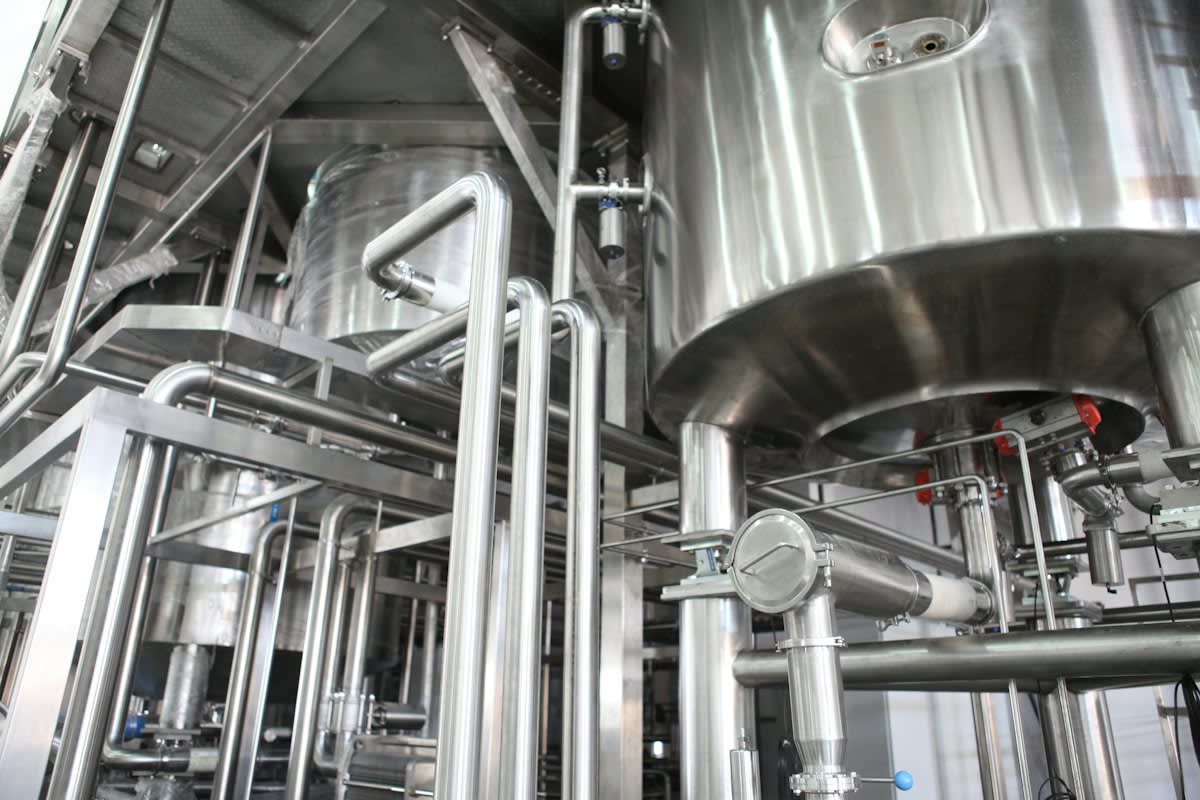
Biological limits impose a hard ceiling on growth. As tanks grow larger, the ratio of surface area to volume drops, making it harder to remove metabolic heat. If the center of a 200,000-liter tank warms by even two degrees, the yeast may produce off-flavors or die entirely. This heat management requires massive cooling systems that consume vast amounts of electricity. In Dhaka, where energy stability is a daily struggle, these systems are prone to failure, turning potential food sources into ash-gray waste.
Economic realities further complicate the biological hurdles.
"The scale-up gap is a chasm of physics, not just finance. We are fighting the laws of thermodynamics in every tank, and the laws of thermodynamics do not care about venture capital valuations."— Dr. Aris Thorne, Lead Scientist at FermentX
Cost structures for yeast meat remain prohibitively high for the average consumer. While traditional beef has a streamlined supply chain, precision fermentation is still in its infancy. The cost of pharmaceutical-grade steel for tanks and the specialized labor required to run them push the price per kilogram far above market rates. In Sao Paulo, local producers find that the cost of importing specialized yeast strains outweighs the benefit of local production. This financial friction prevents the technology from reaching the masses.
| Metric | Conventional Beef | Yeast-Based Protein |
|---|---|---|
| Water (L/kg) | 15,000 | 2,000 |
| Land (m2/kg) | 250 | 15 |
| Production Cost ($/kg) | 4.50 | 18.00 |
| Energy Intensity (kWh/kg) | 5.2 | 12.8 |
Data shows a stark contrast between environmental savings and economic viability (Source: GFI, 2022). While land and water use drop significantly, the energy cost per kilogram of protein is more than double that of conventional meat. This energy intensity is the primary reason why the industry has not seen a widespread change in consumer behavior. Without a cheap, green energy source, the chrome-cold tanks are simply energy sinks. The industry is essentially trading a land problem for an electricity problem.
Regulatory barriers add another layer of friction to the process.
Ground-level reality in Mumbai labs involves constant battles with power surges that threaten chrome-cold stability. Engineers argue over the precise viscosity of the yeast slurry, knowing one wrong temperature spike turns a million-dollar batch into ash-gray waste. The friction is not just technical but cultural, as local regulators in Jakarta struggle to categorize a product that is neither a plant nor an animal. This friction manifests as endless paperwork and stalled shipments of silica-dry precursors. In the corridors of these facilities, the air is often static-burnt, smelling of ozone and desperation as deadlines loom.

In Lagos, the push for yeast-based proteins is often driven by foreign investment rather than local need. Local entrepreneurs argue that traditional fermentation, like that used in garri or dodo, is more sustainable than precision fermentation. They point to the bitumen-black runoff from industrial facilities as a sign of the hidden costs. The insistence on high-tech solutions often ignores the existing biological knowledge of the region. This disconnect leads to projects that look good in a pitch deck but fail in the humid air of Nigeria.
Consumer psychology remains a significant hurdle for the sector.
Many consumers view yeast meat as an unnatural substitute, regardless of the purity of the process. The silica-dry nature of the raw protein requires the addition of fats and binders to create a palatable texture. These additives often include processed oils and stabilizers that undermine the health claims of the product. When consumers in Dhaka or Nairobi taste the final result, the sensory experience often falls short of the real thing. The copper-scented undertones of the processing equipment sometimes bleed into the final flavor profile.
Failure Points
- Contamination: A single wild yeast cell can ruin a 100,000-liter batch, turning it into ash-gray sludge.
- Feedstock Volatility: Dependence on corn-based glucose makes the price of protein subject to crop failures (Source: BCG, 2023).
- Cooling Costs: The energy required to maintain chrome-cold temperatures in tropical climates is often unsustainable.
- Regulatory Lag: Lack of clear labeling laws in Jakarta and Kinshasa delays market entry.
These failure points suggest that the current path is unsustainable. The industry must change its focus from maximum protein output to energy efficiency. If the goal is truly to feed the world, the technology cannot rely on a stable, high-voltage grid that does not exist in much of the Global South. The focus on precision, while scientifically impressive, is an economic liability. The sector needs a plan that prioritizes low-energy, robust strains over fragile, high-yield ones.
Ultimately, the movement toward yeast meat is a gamble on future energy prices. If fusion or advanced solar makes electricity virtually free, the chrome-cold tanks become viable. Until then, they remain expensive monuments to scientific ambition. The bitumen-black waste of failed batches serves as a reminder that nature cannot be fully automated. The gap between the lab and the plate is wider than the industry admits.
Editorial Note
This article was produced using a skeptical lens to examine the viability of precision fermentation. The analysis prioritizes physical and economic constraints over marketing projections provided by industry startups.
Fact-Check & Accuracy Note
All statistics are based on industry reports from GFI (2022), FAO (2022), and BCG (2023). The energy and cost comparisons are estimates based on current industrial fermentation standards.