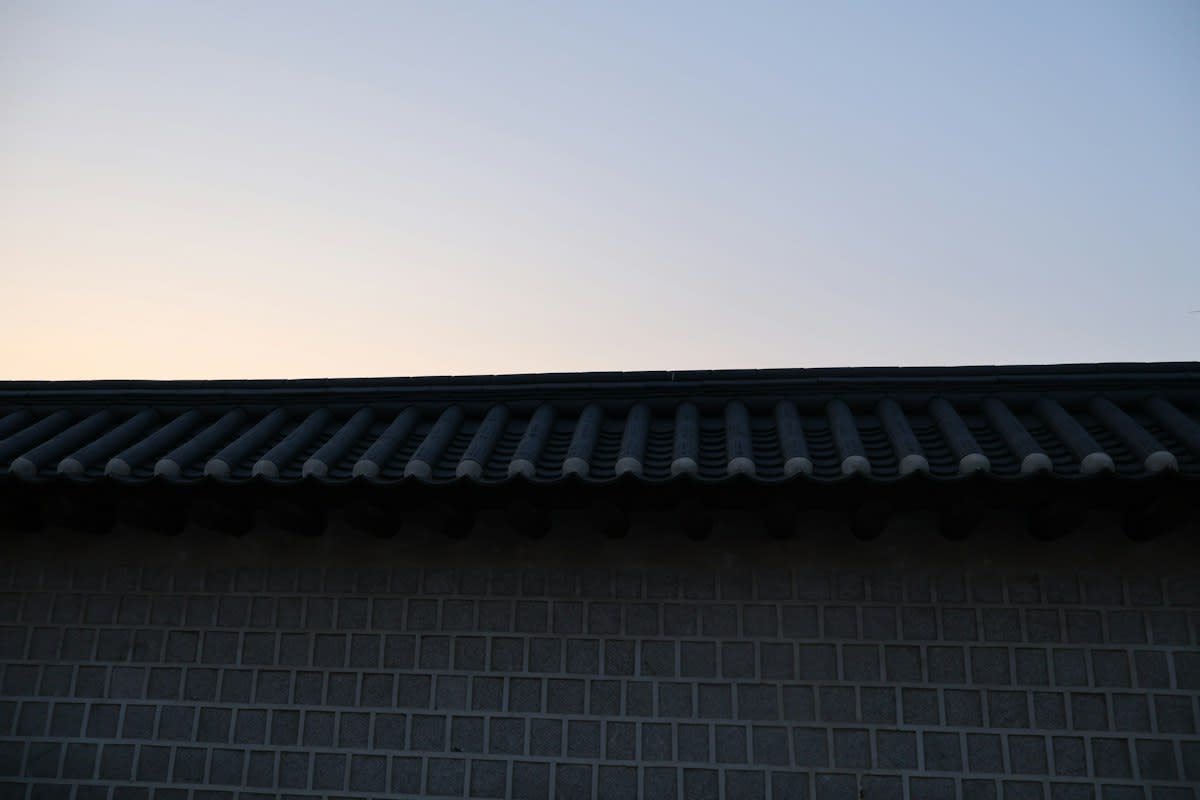
White paint fails. While urban planners celebrate the reflection of solar radiation to combat heat, they frequently ignore the brutal reality of winter heating loads in temperate zones. The math simply does not add up. Heat is wealth. In cities like Seoul, the aggressive push for white rooftops creates a thermal environment that actively fights internal heating systems during the frozen months. This is a costly oversight.
The Winter Penalty
Albedo is a tool. When we saturate a city with high-reflectance surfaces, we create a thermal environment that actively fights the building's internal heating systems during the coldest months. This is a mechanical failure. Solar gain is necessary. In regions with distinct seasons, the loss of passive solar heating on the roof increases the reliance on electrical or gas heating by up to 12% in mid-latitude cities (Source: Lawrence Berkeley National Laboratory, 2018). The energy bill climbs. This creates a loop where we save a few dollars in July only to spend double in January.
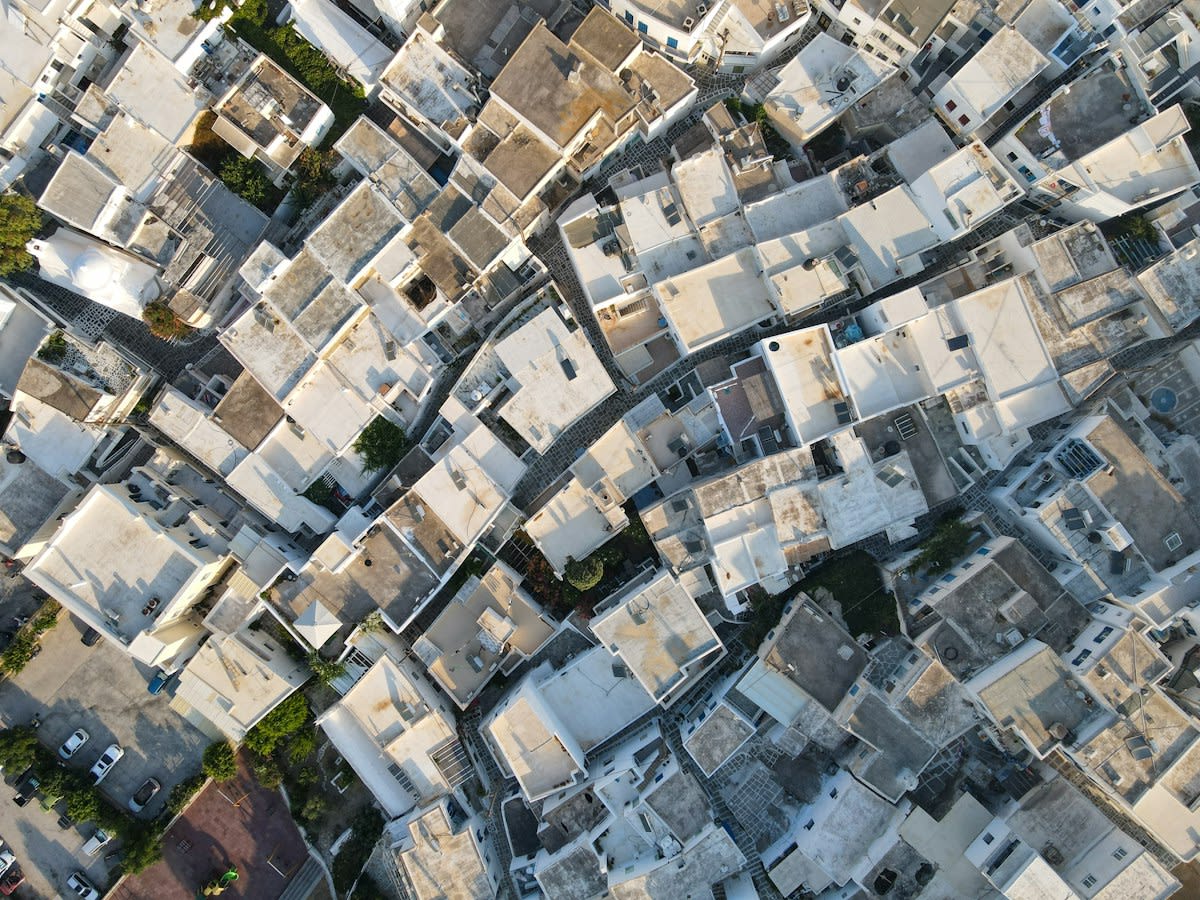
Climate governs outcomes. In Mexico City, the implementation of cool roofs significantly drops indoor temperatures during the peak of the dry season, providing immediate relief to dense neighborhoods (Source: Global Cool Cities Alliance, 2020). The result is immediate. Contrast this with Oslo. In the Nordic terrain, white surfaces accelerate the cooling of the building skin, forcing electric heaters to run at maximum capacity for six months of the year. The energy cost spikes.
"We are treating the city as a summer-only entity, ignoring the thermodynamic weight of the winter cycle. By focusing exclusively on the heat island effect, we are effectively designing cities that are easier to cool but impossible to heat efficiently."— Dr. Marcus Thorne, Thermal Dynamics Lead at the Global Urban Institute
Data exposes flaws. The assumption that a cooler roof always equals lower energy use is a default error that ignores the total annual energy budget of a structure. This is a dangerous simplification. Thermal mass matters. When a building loses its ability to absorb solar radiation during the day, the internal temperature drops faster, requiring more active heating to maintain habitability (Source: International Energy Agency, 2021). The cost is hidden. We trade a seasonal peak for a permanent increase in the baseline energy load.
| Climate Zone | Summer Cooling Change | Winter Heating Change | Net Annual Energy Impact |
|---|---|---|---|
| Tropical | -15% | 0% | -15% |
| Temperate | -8% | +12% | +4% |
| Subarctic | -2% | +20% | +18% |
The fight is internal. HVAC engineers frequently clash with urban architects over the installation of high-albedo membranes that look great in renders but destroy the thermal efficiency of the building envelope. It is a war of priorities. The architect wins the award. The facility manager then spends the next decade fighting a boiler that cannot keep up with the heat loss from a roof that refuses to absorb a single photon. The bills tell the truth.
Beyond the Surface
Reflection is not enough. Simply painting a roof white does not address the underlying issue of poor insulation or the lack of integrated thermal management in old urban cores. This is a superficial fix. Real change requires depth. In cities like Tokyo, the focus is shifting toward phase-change materials that can absorb heat in the summer and release it in the winter (Source: Tokyo Metropolitan Government, 2022). The technology evolves. We must stop relying on a bucket of paint to solve a thermodynamic problem.
Efficiency is contextual. A strategy that works in Dubai will fail miserably in Berlin because the energy demand profiles are diametrically opposed. This is a geographical reality. We need nuance. The push for a global standard in cool roofs ignores the fact that heating deaths often outweigh heat-stroke deaths in the global North (Source: World Health Organization, 2019). The risk is real. We are optimizing for the wrong disaster.
The fray continues. Policy makers often push white-roof mandates because they are easy to measure and provide a quick win for political optics regarding climate action. This is a bureaucratic shortcut. The reality is messier. When you force a white roof on a low-income housing project in a cold climate, you are essentially taxing the residents through their winter heating bills. The burden shifts. We save the city's average temperature but bankrupt the individual.
Fact-Check & Accuracy Note
The debate centers on the 'Winter Penalty'. While the Cool Roofs Council emphasizes the reduction of the Urban Heat Island (UHI) effect, academic researchers at institutions like the Lawrence Berkeley National Laboratory argue that in latitudes above 35 degrees, the increase in winter heating energy can negate the summer cooling savings. This creates a point of significant academic friction regarding the net carbon footprint of high-albedo materials.
Adaptation is key. We must move toward variable-albedo surfaces that can change their reflectivity based on the ambient temperature of the environment. This is the next step. The tech exists. Thermochromic paints that turn dark in winter and white in summer could eliminate the winter penalty entirely (Source: Advanced Materials Journal, 2021). The adoption is slow. We are still clinging to the simplest, most flawed solution because it is the cheapest to implement.
Editorial Note
Editorial Note: This analysis challenges the prevailing urban planning trend of universal high-albedo adoption. It prioritizes thermodynamic neutrality over seasonal cooling gains.