Arctic Shipping Mirage
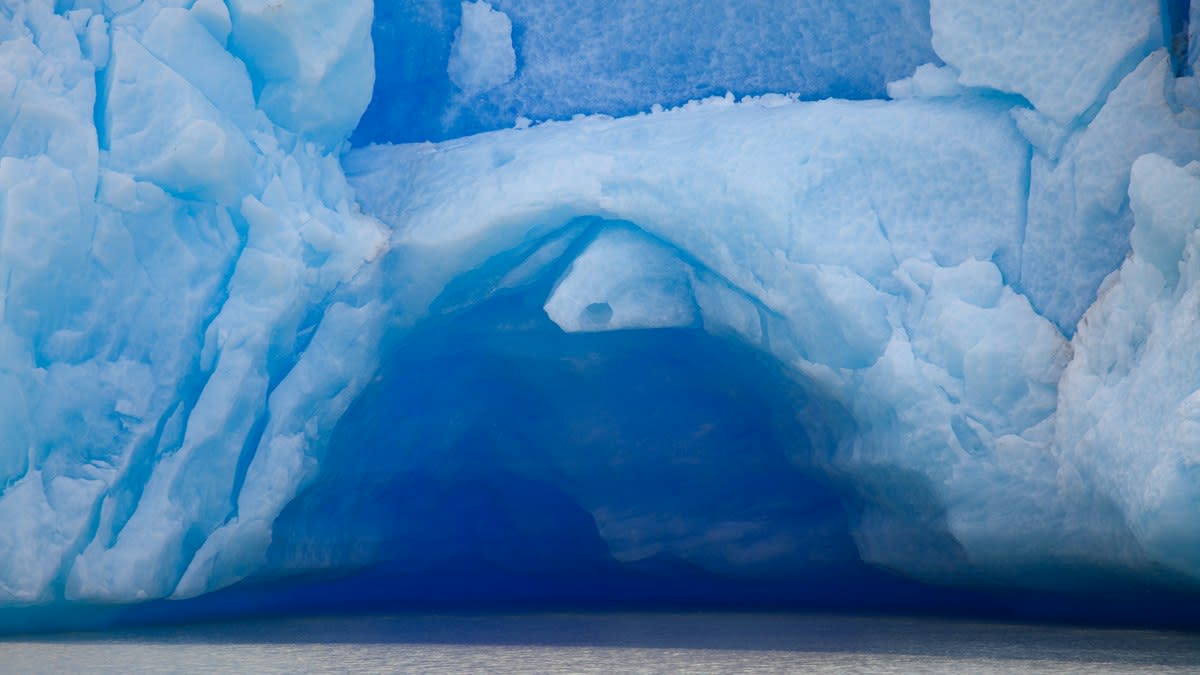
Ice roads remain fantasies. 27 percent of the PanStar Acro's capacity was used during its trial voyage (Source: Newsweek, 2026). This failure highlights the gap between state propaganda and commercial reality. Moscow claims the route reduces costs by one-third, yet ships sail nearly empty. Commercial operators cannot risk assets on unpredictable ice.
Moscow views the Northern Sea Route as a way to bypass Western sanctions. Nikolai Patrushev, a former intelligence chief, proposed the route to Beijing to reshape the geoeconomic map (Source: Newsweek, 2026). This move is less about profit and more about survival. By pulling China into the Arctic, Russia hopes to build a logistics system that ignores US influence. State-funded projects often ignore the bottom line in favor of strategic positioning.
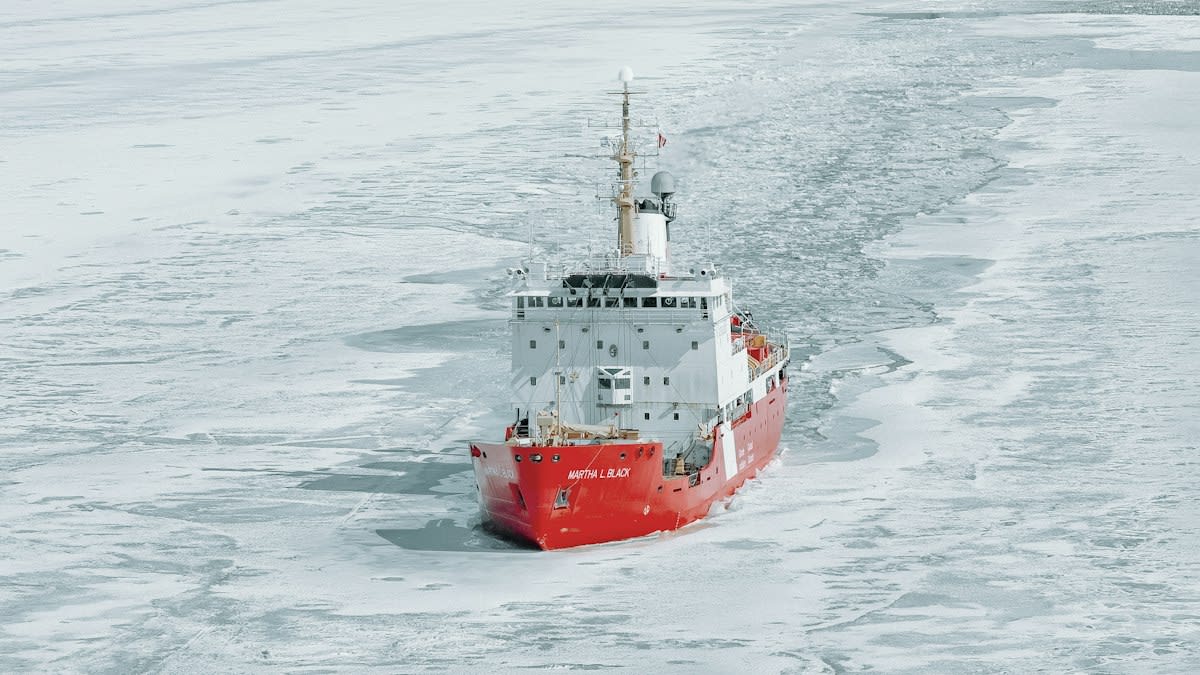
Beijing provides the capital and technology Russia lacks. US Coast Guard reported five China-affiliated research vessels in the US Arctic in 2025 (Source: Asia Times, 2026). These ships map the seabed and test ice-breaking capabilities. China wants to secure supply chains because 80% of global goods trade still moves by sea (Source: Asia Times, 2026). This partnership creates a new axis of power in the north.
UNCTAD forecasts a slowdown in seaborne trade growth due to geopolitical disruption (Source: Asia Times, 2026). Iran war and the Strait of Hormuz blockade make alternative routes attractive to desperate shippers. However, the Northern Sea Route is hampered by thin infrastructure and a short operating season. It cannot replace the Suez Canal for bulk global trade due to volatility.
"Given the current environment, the most important (logistics route) is the Northern Sea Route, which enables us to reduce the time required to deliver cargo to our trading partners by 1.5-2 times and cut costs by one-third"— Russian Official, quoted in Newsweek (2026)
South Korea has already begun utilizing these paths. Melting sea ice allowed for a new shipping route, according to the Korea Institute for Maritime Strategy (Source: France 24, 2026). This move is a reaction to Middle East instability rather than a long-term commercial strategy. Yet, these voyages remain seasonal and carry high risk for the carrier.
Liu, Lian, and Yang conducted a fleet-and-network analysis that found Suez preferable in its baseline (Source: Arctic Portal, 2026). Their data suggests that Arctic vessels are currently too small to compete with the economies of scale in the south. A deeper route north of the New Siberian Islands might change the math, but that requires massive state investment. Until then, the cost per container remains prohibitively high.
| Metric | Suez Canal | Northern Sea Route |
|---|---|---|
| Capacity | High/Standard | Low (27% trial) (Source: Newsweek, 2026) |
| Insurance | Stable/Predictable | High/Variable (Source: Newsweek, 2026) |
| Transit Time | Baseline | 1.5-2x Faster (Claimed) (Source: Newsweek, 2026) |
| Infrastructure | Mature | Thin/Limited (Source: Asia Times, 2026) |
London released a policy document in October 2026 titled The UK and the Arctic: An Update (Source: Eurasia Review, 2026). UK officials warn that geopolitical rivalry could undermine environmental protection. The race for resources is turning a scientific zone into a military arena. This tension makes international cooperation on safety and rescue nearly impossible.
Cargo types determine the winner in this frozen race. Xu and Yin found potential annual savings for seasonal tramp shipping under specific icebreaking tariffs (Source: Arctic Portal, 2026). Container shipping, however, is a different story. Cariou and colleagues found competitive westbound voyages but not eastbound ones (Source: Arctic Portal, 2026), showing a lack of balanced trade.
Logistics managers in Jakarta watch the Arctic with a mixture of dread and curiosity. They see the promises of 1.5-2x faster delivery (Source: Newsweek, 2026) but know that one ice-jam in the New Siberian Islands stops everything. The real friction is not the ice, but the insurance premiums that spike the moment a vessel leaves established lanes. This is a steel-grey reality where paperwork matters more than ice-breakers.
Failure Points
- Insurance premiums that neutralize fuel savings (Source: Newsweek, 2026)
- Winter inaccessibility restricting the operating window (Source: Newsweek, 2026)
- Small vessel capacity limiting economies of scale (Source: Arctic Portal, 2026)
- Thin infrastructure and lack of deep-water ports (Source: Asia Times, 2026)
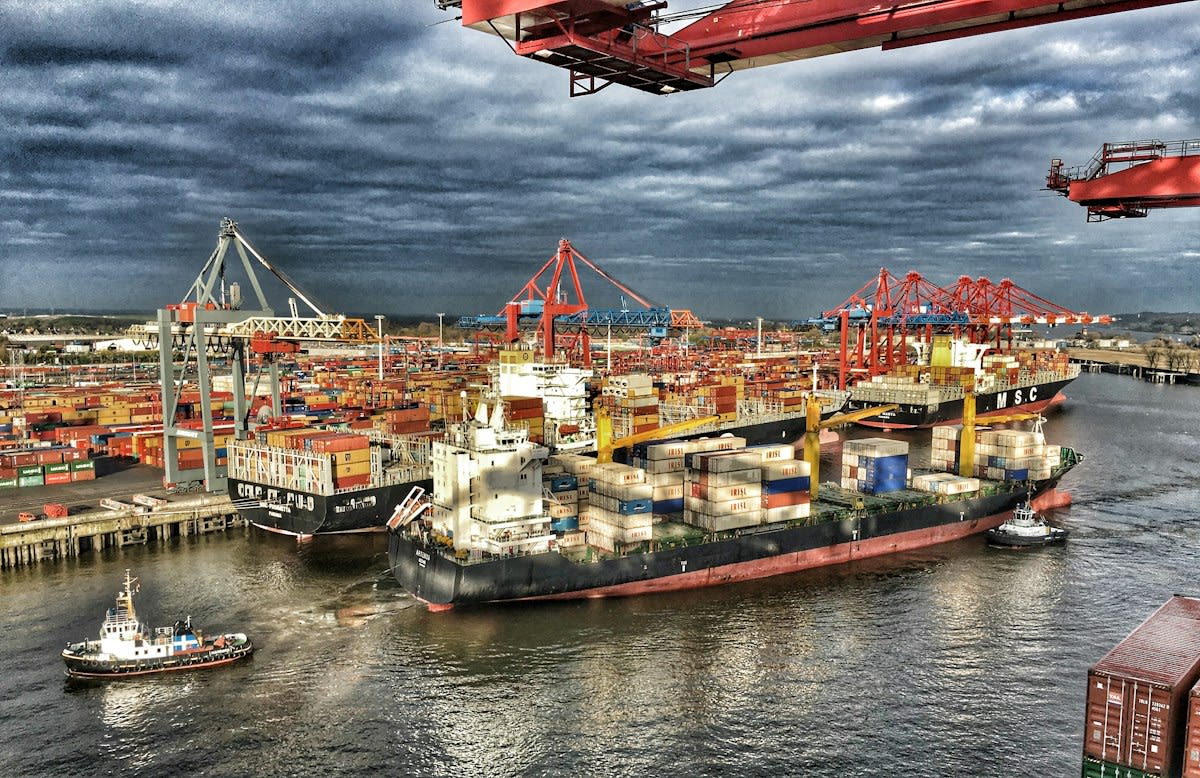
Insurance premiums act as a hard ceiling for commercial adoption. Unpredictable conditions eat into any savings gained from shorter transit times (Source: Newsweek, 2026). Without a global insurance framework, the Northern Sea Route remains a state-sponsored experiment. Private firms will not risk total loss for a marginal gain in speed.
Infrastructure is almost non-existent across the route. The path lacks the deep-water ports and rescue services found in the South China Sea. A single mechanical failure in the high Arctic can lead to a total loss of cargo. Until Russia and China build a network of support hubs, the route is a gamble.
Fact-Check & Accuracy Note
All statistics provided are derived from 2025-2026 reports including Newsweek, Asia Times, and Arctic Portal. Data regarding the PanStar Acro trial is the primary indicator of current capacity failures.