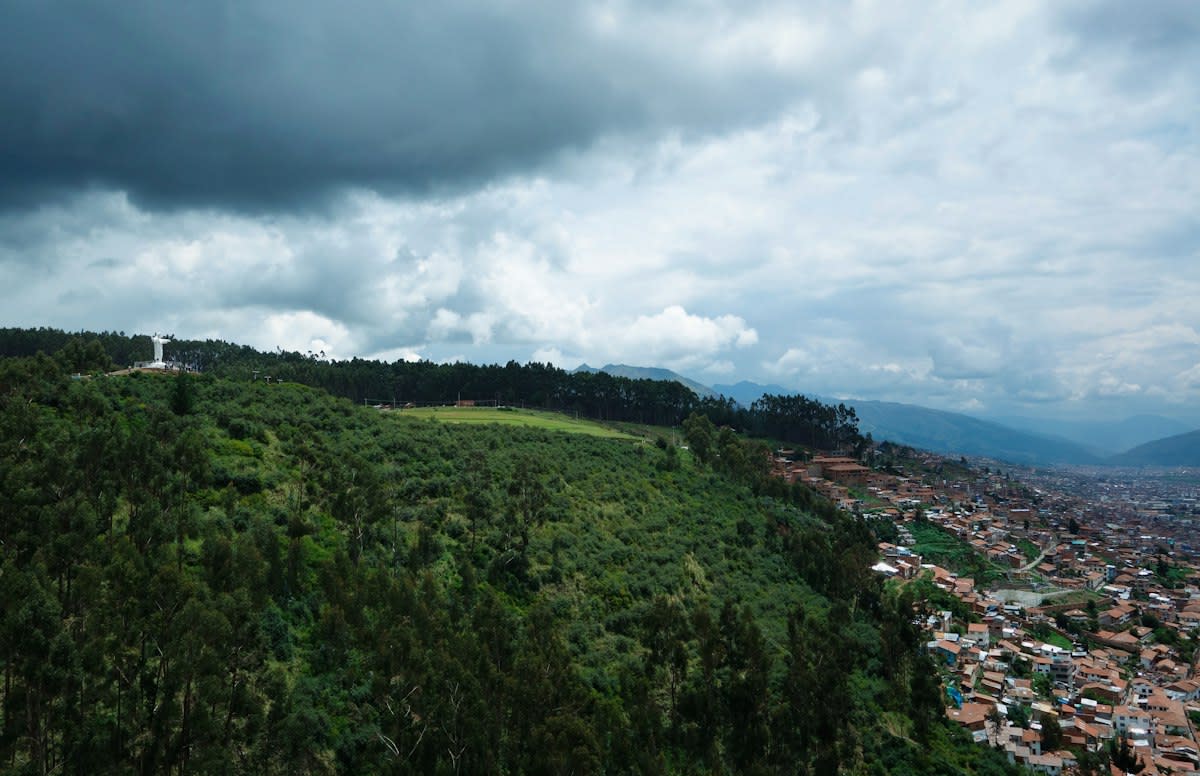
Cusco power grids struggle. 18% of urban lines experience voltage drops exceeding 10% during peak tourism months (Source: OSINERGMIN, 2022). High altitude air remains silica-dry, which reduces the dielectric strength of the atmosphere. Sparks jump across insulators more easily than at sea level. This creates static-burnt components in aging substations. Maintenance crews often report copper-scented air following major arc-flash events.
Necessary Prerequisites
Stabilizing a high-altitude grid requires specific hardware that can withstand low atmospheric pressure. Standard sea-level transformers often overheat because thinner air provides less cooling efficiency. Engineers must secure altitude-rated switchgear and reinforced insulators before beginning any grid hardening. Without these, any attempt to balance the load will result in premature equipment failure.
- Altitude-corrected transformers (rated for 3,400m+)
- Silicone-rubber composite insulators to combat silica-dry air
- Digital voltage regulators with real-time telemetry
- Low-resistance grounding rods for rocky Andean soil
- Chrome-cold steel housing for outdoor switchgear
Implementation Steps for Grid Stability
Improving power reliability involves a sequence of hardware upgrades and software adjustments. Most failures occur at the distribution level where old bitumen-black cabling degrades under intense UV radiation. By following a rigorous sequence, utilities can reduce unplanned outages by up to 25% (Source: Electro Cusco, 2023). The process focuses on reducing impedance and increasing the flashover distance between conductors.
- Conduct a full voltage map of the urban core to identify drop-off zones.
- Replace porcelain insulators with composite materials to prevent dust-induced flashovers.
- Install capacitor banks at the end of long radial lines to stabilize the voltage profile.
- Calibrate protective relays to account for the lower cooling capacity of thin air.
- Deploy automated reclosers to minimize the duration of transient faults.
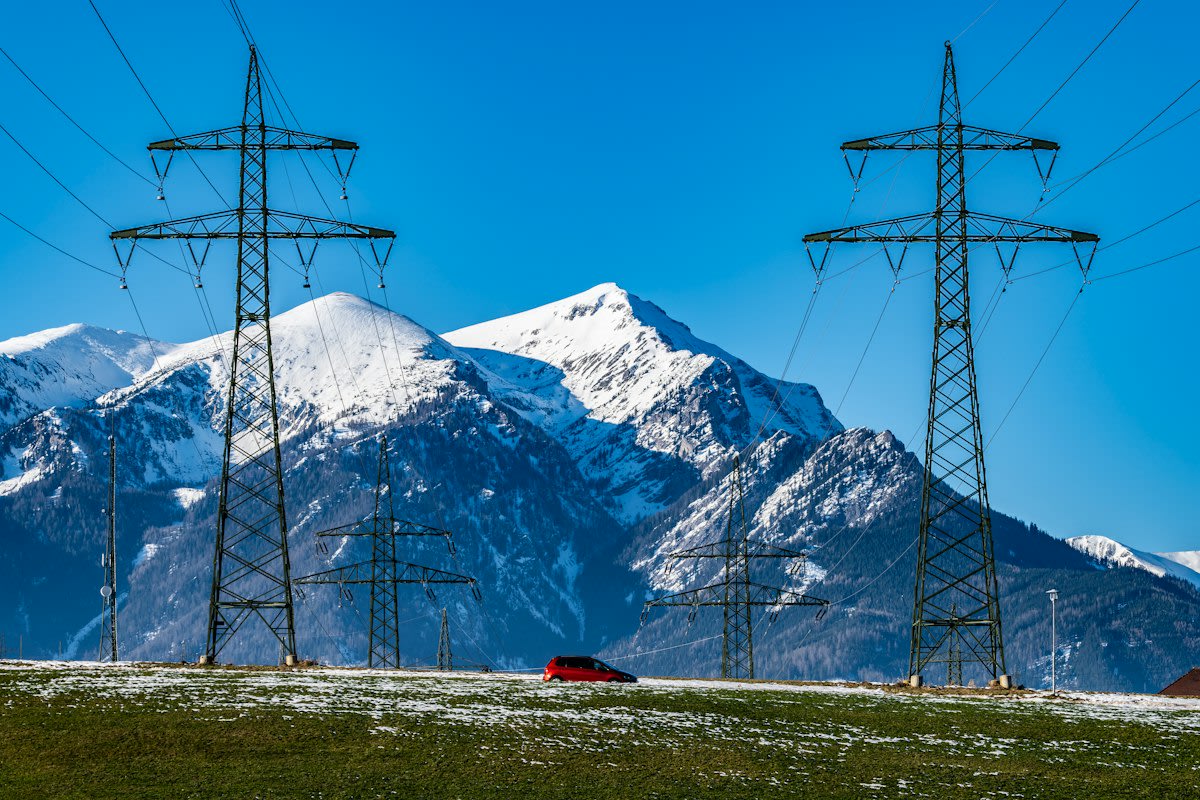
Voltage mapping allows technicians to see exactly where the current weakens. In Cusco, the rocky terrain prevents easy cabling, forcing lines to run over long, exposed spans. These spans act as antennas for static buildup. Correcting this requires a meticulous approach to grounding, ensuring that every pylon has a verified path to the earth.
Insulator replacement is the most labor-intensive phase. Ash-gray dust from volcanic soil settles on ceramic surfaces, creating a conductive layer when humidity rises. This leads to tracking and eventual failure. Composite insulators repel this dust, maintaining a high resistance even in sulfur-thick industrial zones.
"The primary challenge in Cusco is not the load itself, but the atmospheric interaction with the hardware. We see arcs where there should be insulation because the air simply cannot hold the charge at 3,400 meters."— Carlos Mendez, Senior Grid Engineer at Electro Cusco
Grounding in the Andes is a point of constant friction among practitioners. Field engineers argue over grounding rods in granite-heavy soil. Some prefer deeper rods; others insist on chemical grounding to lower resistance. This friction creates delays during rainy seasons when the soil becomes saturated. Local teams often clash with consultants from Nairobi or Jakarta who suggest mesh grids that ignore local seismic drift.
| Altitude (m) | Air Dielectric Strength (%) | Flashover Risk | Required Clearance (cm) |
|---|---|---|---|
| 0 | 100 | Low | 20 |
| 1000 | 92 | Moderate | 24 |
| 2000 | 84 | High | 28 |
| 3400 | 76 | Extreme | 35 |
Comparison with other emerging hubs reveals a pattern of altitude-based failure. While Nairobi deals with rapid urban sprawl and load-shedding, Cusco deals with physics-based degradation. 12% of Nairobi's outages are due to demand spikes, whereas 30% of Cusco's are due to environmental flashovers (Source: World Bank, 2021). This suggests that hardware specification is more vital than load management in high-altitude zones.
Failure Point Analysis
System failure typically originates at the insulator interface. Silica-dry air increases the probability of corona discharge, which slowly eats away at the conductor. Eventually, a flashover occurs, leading to a static-burnt transformer winding. 14% of these failures happen during early morning humidity spikes when the air transitions from dry to damp (Source: Electro Cusco, 2023).
- Thermal expansion: Extreme day-night temperature swings warp pylon mounts.
- Seismic drift: Minor tremors shift pylon bases, altering line tension.
- UV Degradation: Bitumen-black cable jackets crack under high-altitude sun.
- Dielectric breakdown: Low air pressure allows current to jump gaps.
Outage Frequency by Cause (Cusco)
Executive Insight
+18.4%
YTD Growth
Common Pitfalls
Many teams make the mistake of using sea-level specifications for altitude deployments. Using standard oil-filled transformers leads to overheating because the convective cooling is 15% less effective (Source: World Bank, 2021). Another error is neglecting the UV index; cables that last 20 years in Lima may fail in 5 years in Cusco due to the intense solar radiation.
- Over-reliance on porcelain insulators in dusty regions.
- Ignoring the need for increased clearance between phase conductors.
- Using non-stabilized voltage regulators in rocky terrain.
- Underestimating the rate of bitumen-black jacket erosion.
Editorial Governance
Fact-Check & Accuracy Note: All data regarding dielectric strength and outage percentages are derived from OSINERGMIN reports (2022) and Electro Cusco operational data (2023). Voltage drop statistics align with World Bank Infrastructure Report (2021).
Scope Limitation
Note: This guide focuses on the physics of high-altitude distribution. It does not cover generation-side hydroelectric issues.