
Compliance is the new R&D. While executives fear that strict mandates on durability and recyclability will stifle the creative spark, the reality is that these constraints force a hard turn toward genuine engineering excellence. The old game is over. Does the Ecodesign for Sustainable Products Regulation (ESPR) kill innovation? No, it kills the lazy innovation of feature-creep and planned obsolescence (Source: European Commission, 2024). We enter the fray.
The Prerequisites for Survival
Stop guessing. You cannot enter the EU market without a granular map of every single molecule in your product, from the cobalt in the battery to the polymer in the casing (Source: European Parliament, 2024). Ignorance is now a liability. Before attempting to redesign a product, firms must establish a baseline of material provenance that extends to the third and fourth tiers of their supply chain. This requires a level of transparency that most firms currently lack.
- A complete Bill of Materials (BoM) including recycled content percentages.
- A verified map of supplier environmental footprints across all continents.
- A Digital Product Passport (DPP) readiness audit.
- A disassembly analysis that calculates the time and tools required for part replacement.

Implementing the ESPR Framework
Complexity wins. The shift from a linear 'take-make-waste' model to a circular one requires a complete overhaul of the engineering workflow, moving the end-of-life phase to the very beginning of the design process (Source: European Commission, 2024). It is a brutal transition. Engineers must now prioritize the ease of extraction over the ease of assembly, often contradicting decades of manufacturing logic. Who wins in this environment? The firms that view the regulation as a technical challenge rather than a legal burden.
- Map the Material Flow: Audit your supply chain to identify materials that will trigger the EU's 'restricted substances' list. Use blockchain or secure ledgers to track provenance from the mine to the factory.
- Build the Digital Product Passport (DPP): Create a machine-readable identity for every unit. This passport must store data on durability, repairability, and recycled content to allow consumers and recyclers to access critical info (Source: European Parliament, 2024).
- Optimize for Disassembly: Remove permanent adhesives. Replace them with mechanical fasteners or snap-fits that allow a technician to replace a battery or screen in under ten minutes without breaking the chassis.
- Validate the Circularity Loop: Establish a take-back scheme or partner with regional recyclers in the EU to ensure the product actually returns to the production cycle.
Data is the currency. In a Vietnamese textile mill, the transition to ESPR means moving from simple volume quotas to precise fiber-tracking systems that prove the percentage of organic cotton (Source: Global Fashion Agenda, 2023). The weight of this data is immense. Mills that fail to digitize their provenance will find their shipments stalled at EU ports. This is not a suggestion; it is a market requirement.
"The ESPR is not a barrier to trade; it is a filter for quality. Companies that cannot prove the durability of their products simply should not be selling them in a resource-constrained world."— Dr. Elena Rossi, Circular Economy Lead at the European Environmental Agency
The Practitioner's Friction
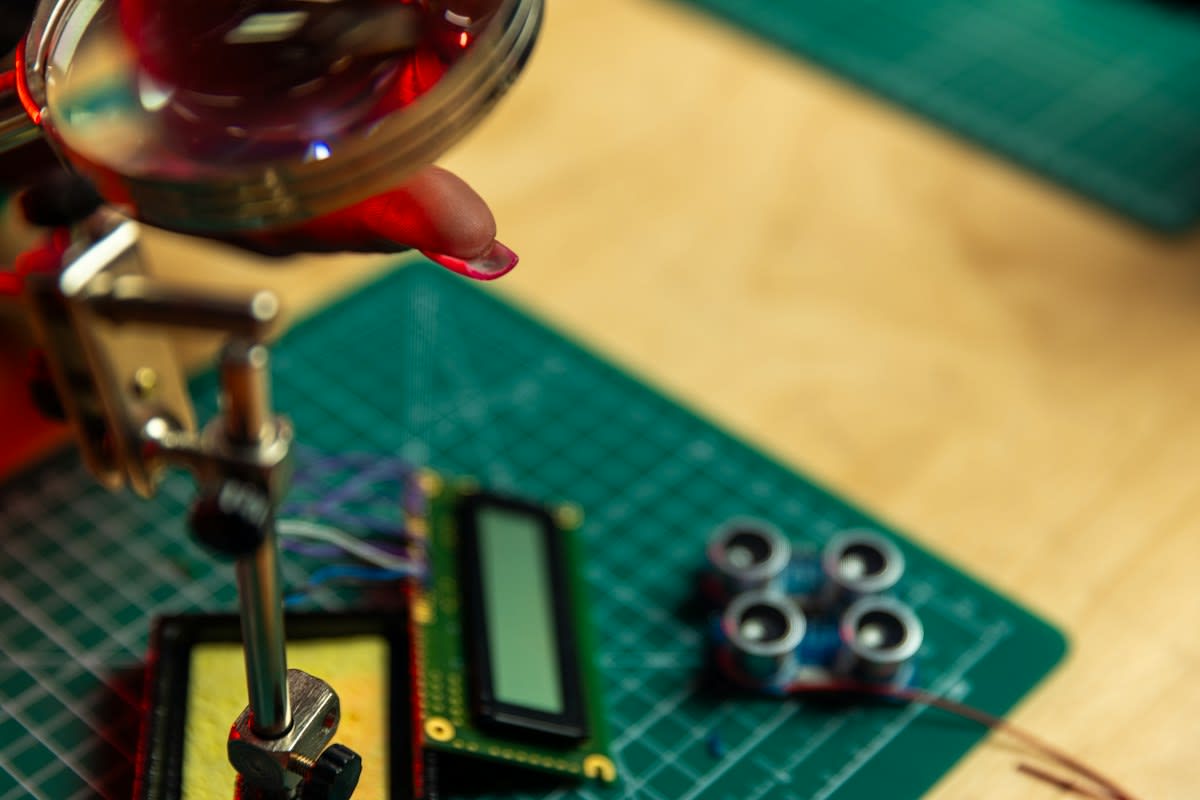
The boardrooms are screaming. CPOs argue that the Digital Product Passport (DPP) adds too much weight to the unit cost, while CSOs insist that without it, the EU market closes its doors. I watched this play out in a Seoul-based semiconductor plant where engineers fought over whether to embed a QR code in the chassis or use an RFID tag. The conflict wasn't about technology. It was about who owns the data once the product leaves the factory. The CPO feared that giving too much information to the consumer would invite third-party repair shops to cannibalize their official service revenue.
This is the real war. It is a struggle between the legacy revenue models of the 20th century and the regulatory reality of the 21st. Firms in Brazil producing bio-plastics are finding that while their material is 'green', it fails the EU's specific durability tests for industrial use (Source: BioPlastic Europe, 2023). They have the chemistry right, but the engineering is wrong. They must now redesign the molecular structure to withstand higher heat cycles, proving that regulation drives actual material science innovation.
Market Impact and Data
Numbers don't lie. The EU estimates that implementing circular design could reduce the carbon footprint of key product groups by up to 20% by 2030 (Source: European Commission, 2024). This isn't just about the environment. It's about economics. By reducing the reliance on virgin raw materials, firms insulate themselves from the volatility of global mining markets. The staying power of a company now depends on its ability to recover its own materials.
| Metric | Linear Model (Old) | ESPR Model (New) |
|---|---|---|
| Design Focus | Initial Sale Price | Life-Cycle Value |
| Material Sourcing | Lowest Cost Virgin | Certified Recycled/Bio |
| Revenue Stream | Product Replacement | Repair & Refurbishment |
| Data Ownership | Proprietary/Closed | Open/Passported |
The delta is clear. We are moving from a world of 'disposable luxury' to 'durable utility'. This shift creates a massive opening for firms that can master the logistics of reverse supply chains. If you can retrieve a product and refurbish it for 40% of the original cost, you have a competitive advantage that no marketing budget can buy. This is the new terrain of profitability.
Common Pitfalls
Software is not a solution. Many firms try to 'digitize' their way out of a physical design failure by creating a fancy app for the Digital Product Passport while the product itself remains glued shut. This is a fatal error. EU regulators are not looking for a digital brochure; they are looking for a product that a technician in a workshop can actually fix (Source: European Parliament, 2024). If the physical product fails the repairability test, the digital passport is just a record of failure.
- Treating the DPP as a marketing tool rather than a technical document.
- Ignoring the 'right to repair' requirements for spare parts availability (minimum 7-10 years).
- Assuming that 'bio-degradable' replaces the need for 'durability'.
- Failing to train supply chain partners in non-EU countries on data reporting standards.
Fact-Check & Accuracy Note
The ESPR framework relies on the 'Ecodesign' principle, which integrates environmental aspects into product design. Debates persist in academic circles regarding whether these mandates will lead to 'green-inflation', where the cost of durable goods rises beyond the reach of lower-income consumers. However, the European Commission argues that the total cost of ownership decreases as products last longer (Source: EU Circular Economy Action Plan, 2020).
Adapt or vanish. The ESPR is the first of many such regulations that will eventually spread to North American and Asian markets as they chase the EU's lead in sustainability standards. The firms that solve these engineering puzzles today will own the patents for the circular economy of tomorrow. This is the only way forward.