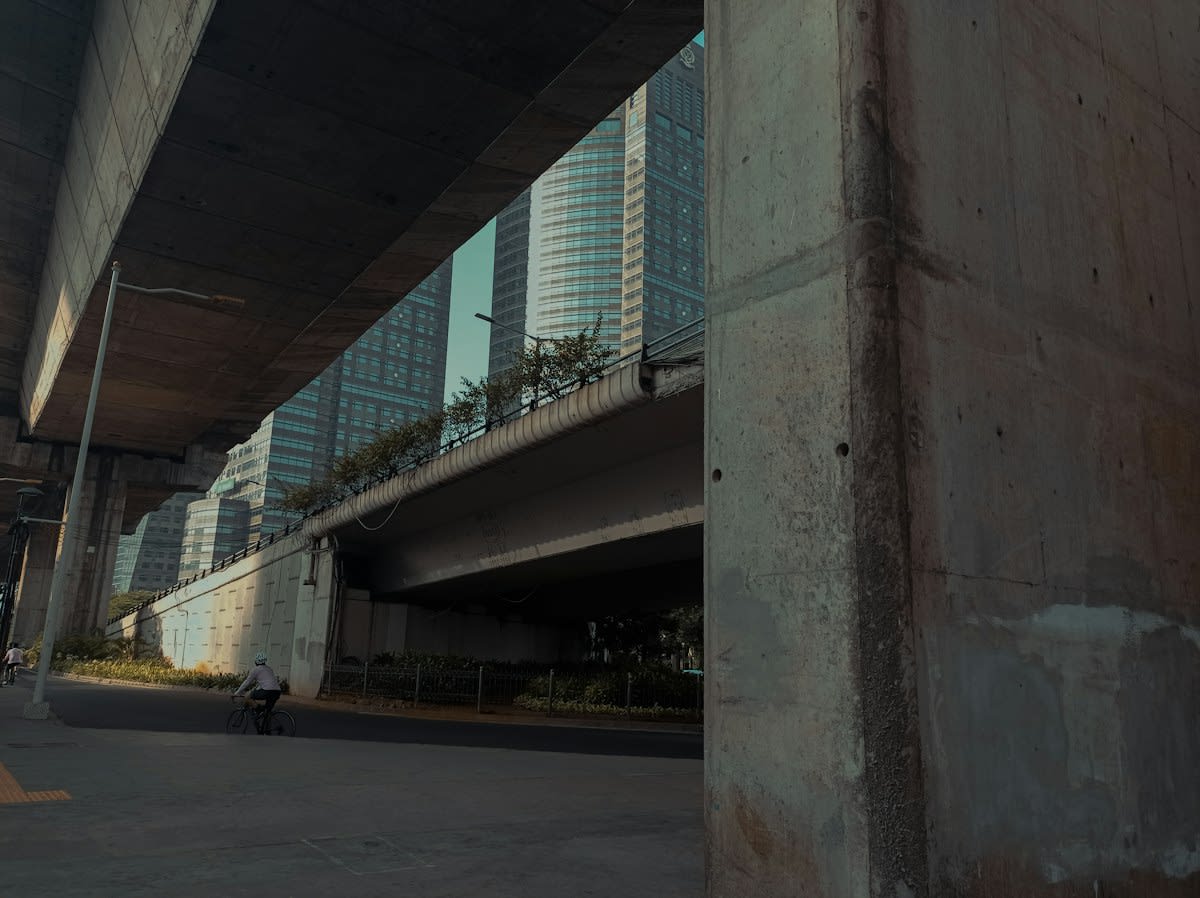
The air in North Jakarta tastes like rusted iron and old salt. It is a thick, oppressive soup of diesel exhaust and rotting mangroves that clings to the back of the throat. In the Kampungs, the water does not just rise; it claims. It seeps through the porous concrete of makeshift homes, leaving a slick, grey slime on every surface that smells of raw sewage and stagnant pond water. The ground here is a traitor. It gives way with a wet, sucking sound, swallowing porch steps and fence posts into a black, anaerobic void.
It is a slow-motion demolition. For decades, the city has functioned as a giant sponge being squeezed dry by industrial pumps and luxury high-rises. The logic was simple: take the water, build the towers, ignore the void. But you cannot hollow out the earth without the earth collapsing. North Jakarta is sinking at rates of up to 25 centimeters per year in some sectors (Source: NASA, 2020). This is not a natural disaster. It is an engineering failure born of corporate convenience.
The Pumping Paradox
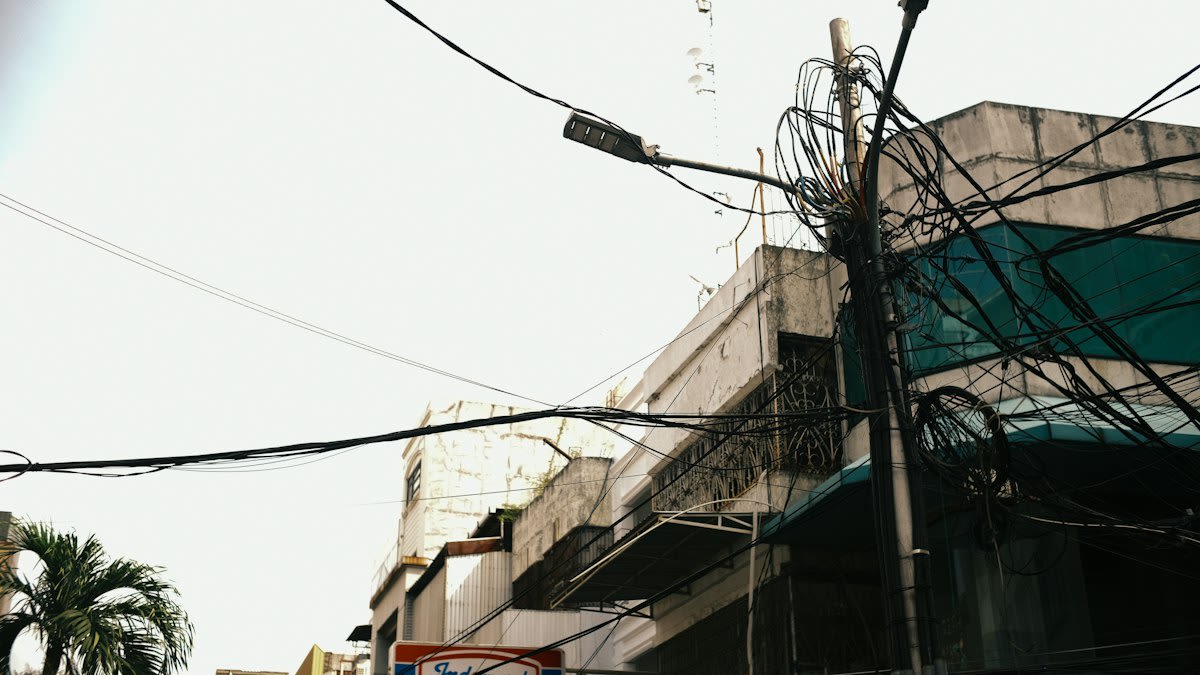
The city government pretends the Great Sea Wall is a shield. In reality, it is a tombstone. By building a massive barrier to keep the Java Sea out, they are merely creating a basin for the city to drown in its own runoff. The water has nowhere to go. It sits, putrid and warm, bubbling with the gases of a million decomposing waste products. The smell of scorched wiring from short-circuiting ground-floor outlets now defines the rainy season.
| District | Avg. Annual Subsidence | Primary Trigger | Risk Level |
|---|---|---|---|
| North Jakarta | 10-25 cm | Deep-well Extraction | Critical |
| West Jakarta | 5-15 cm | Building Load | High |
| Central Jakarta | 2-10 cm | Mixed Extraction | Moderate |
| South Jakarta | 1-5 cm | Natural Compaction | Low |
The disparity is obscene. While the wealthy in South Jakarta experience a mild tilt in their foundations, the residents of the Kampungs are literally watching their living rooms vanish. They use sandbags and scrap plywood to hold back the tide. The plywood feels like wet cardboard, disintegrating under the constant pressure of the brackish surge. It is a desperate, losing battle against physics.
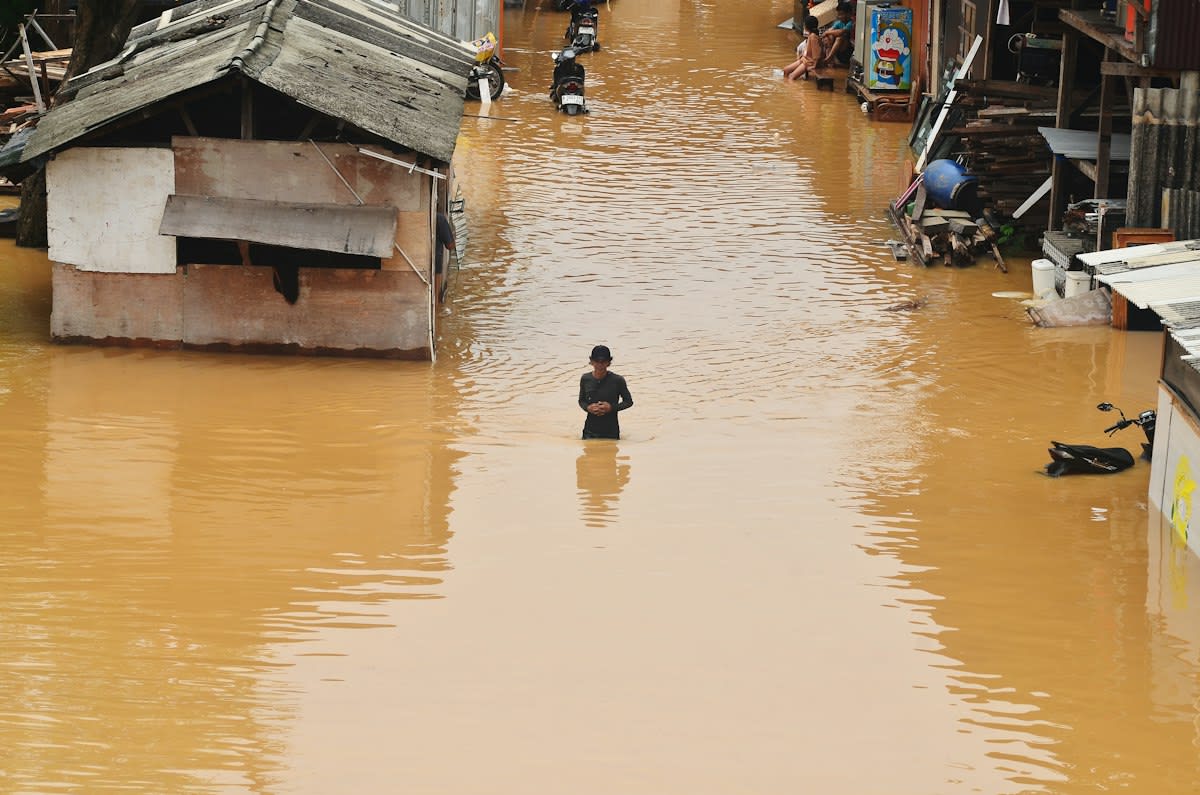
The official narrative focuses on sea-level rise. That is a convenient lie. It shifts the blame to a global climate crisis and away from the local bureaucrats who allowed illegal deep-well drilling to proliferate. Approximately 40 percent of Jakarta is now below sea level (Source: World Bank, 2021). The city is not being drowned by the ocean; it is being pulled down by the weight of its own unsustainable growth.
"We are treating the symptoms with concrete walls while the disease is the extraction of the aquifer. You cannot stop the sea if the floor is falling through."— Heri Andreas, Researcher at the Bandung Institute of Technology
Then comes the 'relocation'. The government identifies a sinking Kampung and declares it a hazard. They offer a pittance for the land and move the residents to vertical slums—concrete boxes with leaking pipes and no ventilation. These 'Rusunawa' apartments are sterile cages that strip the community of its social fabric. The move is rarely about safety. It is about clearing the coast for 'strategic development' projects that will likely sink just as fast as the homes they replaced.
The sound of the city is changing. It is no longer just the roar of motorcycles. It is the wet slap of floodwater against brick and the grinding screech of a failing bearing in a water pump struggling to fight the tide. The infrastructure is screaming.
The Great Escape: Nusantara
The ultimate admission of failure is Nusantara. The government is spending billions to build a new capital in the jungles of East Kalimantan (Source: Ministry of Finance, 2022). It is a strategic retreat. The administrative elite are abandoning the sinking ship, leaving the millions of poor and middle-class residents to navigate the sludge of a dying metropolis. They are trading a sinking city for a deforested jungle.
This is the playbook of the global elite. When the environmental cost of their greed becomes too high, they don't fix the problem. They move. The cost of the new capital is a staggering burden on the national budget, yet the funds for basic sewage infrastructure in Jakarta remain 'under review'. The math is simple: it is cheaper to build a new city than to stop the old one from sinking.
Ground-Level Friction
The theory of 'managed retreat' fails the moment it hits the mud of a Kampung. You cannot simply move a community that relies on the informal economy of the coast. When a fisherman is moved to a 12th-floor apartment three miles inland, his livelihood dies. The friction is not logistical; it is existential. The debates in the city planning offices are about zoning and 'green buffers', but on the ground, the debate is about whether the water will reach the electrical socket before the morning prayer.
The engineering 'fixes' are equally delusional. Pumping water back into the ground—aquifer recharge—requires a level of coordination that the current administration cannot manage. The pipes are clogged with silt and plastic. The pumps are rusted. The system is a joke told in the language of urban planning.
Fact-Check & Accuracy Note
The data on subsidence is often understated in official reports to maintain real estate valuations in North Jakarta. Independent satellite imagery consistently shows higher rates of sinkage than the figures provided by municipal agencies.