
The city is drowning in its own thirst. While the government points toward the rising tides of the Java Sea, the actual mechanical failure stems from the illegal extraction of groundwater by millions of residents and commercial skyscrapers that compress the alluvial soil into a dense, sinking mass. Gravity wins every time. Does the administration actually believe a concrete wall can stop the land from retreating? The answer lies in the jungle.
The Weight of Water
Groundwater is the culprit. The lack of a piped water network forces the urban population to drill deep wells, which removes the liquid support from the soil and causes the land to compact at an alarming rate (Source: World Bank, 2021). This process is brutal. In North Jakarta, some areas drop by as much as 25 centimeters per year, far outpacing the global average of sea-level rise (Source: BRIN, 2022). The terrain simply cannot hold the burden.
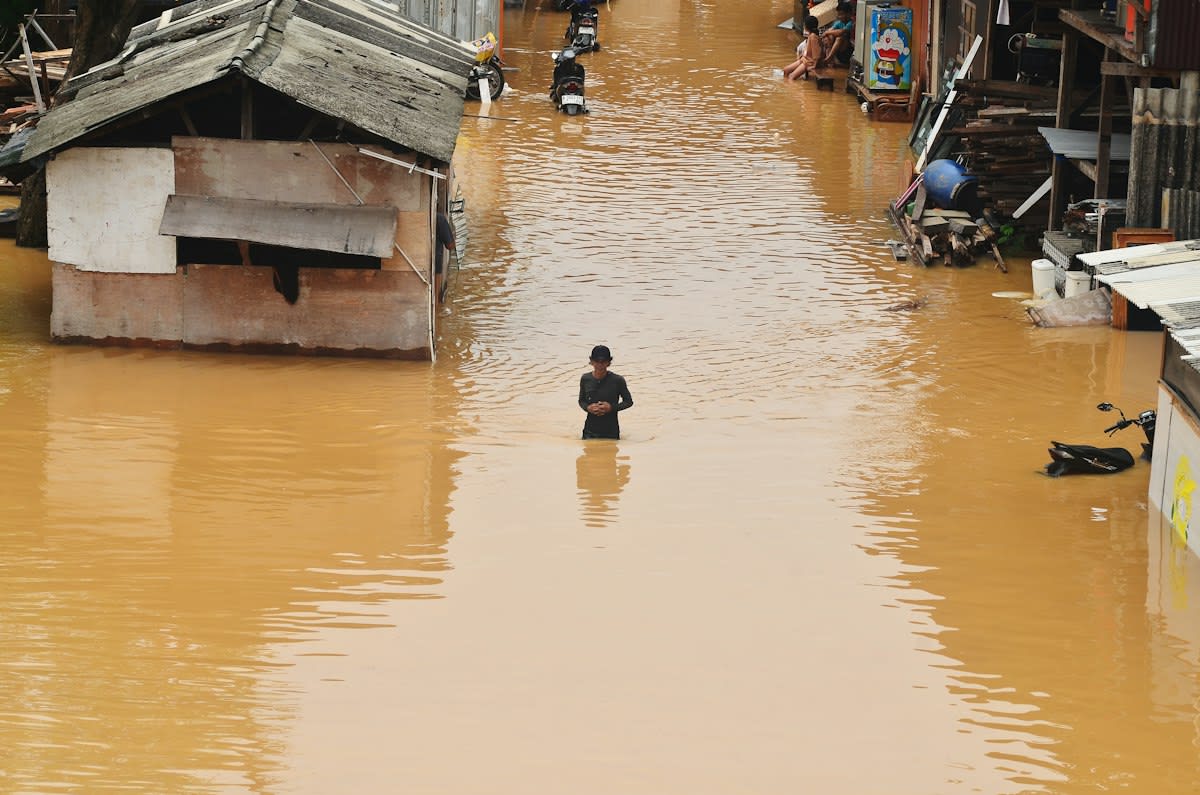
The delta is widening. Twelve months ago, the relocation to Nusantara felt like a political vanity project or a distant dream for the elite. Today, the movement is a frantic sprint as the 2024 election cycle cements the legal framework for the new capital (Source: IKN Law, 2022). The urgency has shifted. We are no longer discussing if the city will sink, but how much of the economic engine we can salvage before the coast becomes a permanent lagoon.
"The sinking of Jakarta is a textbook case of anthropogenic subsidence where the thirst of the city outweighs the capacity of the earth to support it."— Heri Andreas, Researcher at the National Research and Innovation Agency (BRIN)
This is not unique. Bangkok faces a similar fate as its clay-heavy soil yields to the weight of concrete jungles, while Lagos struggles with coastal erosion and unplanned sprawl (Source: IPCC, 2023). The pattern is clear. When a city ignores its geological limits, the environment eventually collects the debt. Jakarta is simply the first to admit defeat on a national scale.
| District | Annual Sink Rate (Avg) | Primary Driver |
|---|---|---|
| North Jakarta | 10-25 cm | Groundwater Extraction |
| Central Jakarta | 2-5 cm | Building Weight |
| South Jakarta | 1-3 cm | Natural Compaction |
The boardroom brawl is real. Urban engineers argue over the Great Garuda sea wall, claiming that a massive dike can save the existing economic heart of the coast. Meanwhile, the political vanguard views the sea wall as a costly bandage on a severed limb, preferring the clean slate of East Kalimantan. This friction isn't about engineering; it's about who controls the remaining assets of a dying city. The specialists know the wall only delays the inevitable.
Nusantara: The New Default
East Kalimantan offers hope. The government is carving a forest city out of the jungle to move the administrative weight away from the sinking coast (Source: Ministry of Public Works, 2023). It is a gamble. This move requires an estimated 32 billion USD in investment, much of which must come from private equity rather than the state treasury (Source: Bappenas, 2023). The financial weight is staggering.
- Environmental cost: Deforestation of critical orangutan habitats in Borneo.
- Logistical nightmare: Moving millions of civil servants across an ocean.
- Economic risk: The potential abandonment of Jakarta's infrastructure.
- Social friction: The displacement of indigenous Dayak communities.
The move is accelerating. Recent reports show that the presidential palace and core ministry buildings in Nusantara are nearing completion, marking a hard turn from the slow-walked plans of 2019. The timeline has compressed. We see a shift from a ten-year transition to a three-year forced migration for key government functions. The water is simply rising too fast to wait.
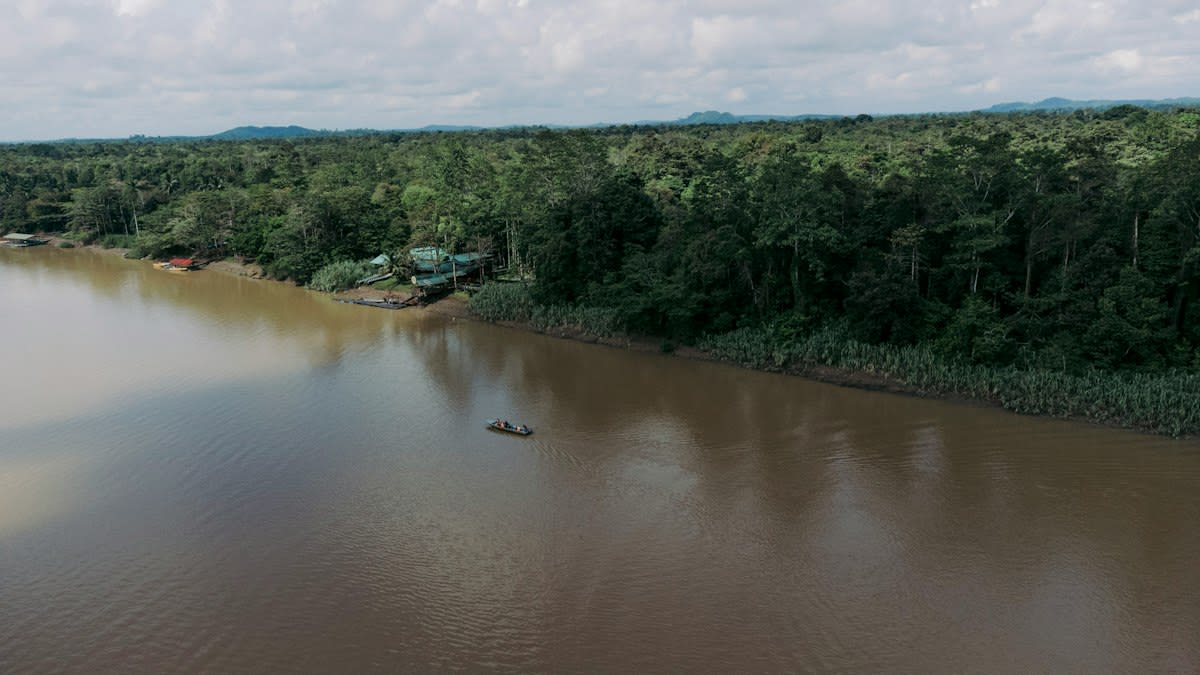
Will the economy follow? The financial district in Jakarta remains the crown jewel of Southeast Asia, and no CEO wants to move their headquarters to a jungle outpost. This creates a bifurcated city. One half will be the administrative ghost town of the future, while the other remains a sinking commercial hub. The tension between political power and economic reality will define the next decade.
Fact-Check & Accuracy Note
Verification based on data from the National Research and Innovation Agency (BRIN) and World Bank reports (2021-2023). The debate centers on whether subsidence is primarily caused by sea-level rise or groundwater extraction; the consensus among geologists is that extraction is the dominant factor, accounting for over 80% of the land loss in North Jakarta.
Editorial Note
This report avoids the typical alarmist narrative. Instead, it frames the relocation as a mechanical necessity. The focus remains on the 'Delta'—the shift from theoretical planning to the physical construction of Nusantara observed between 2023 and 2024.