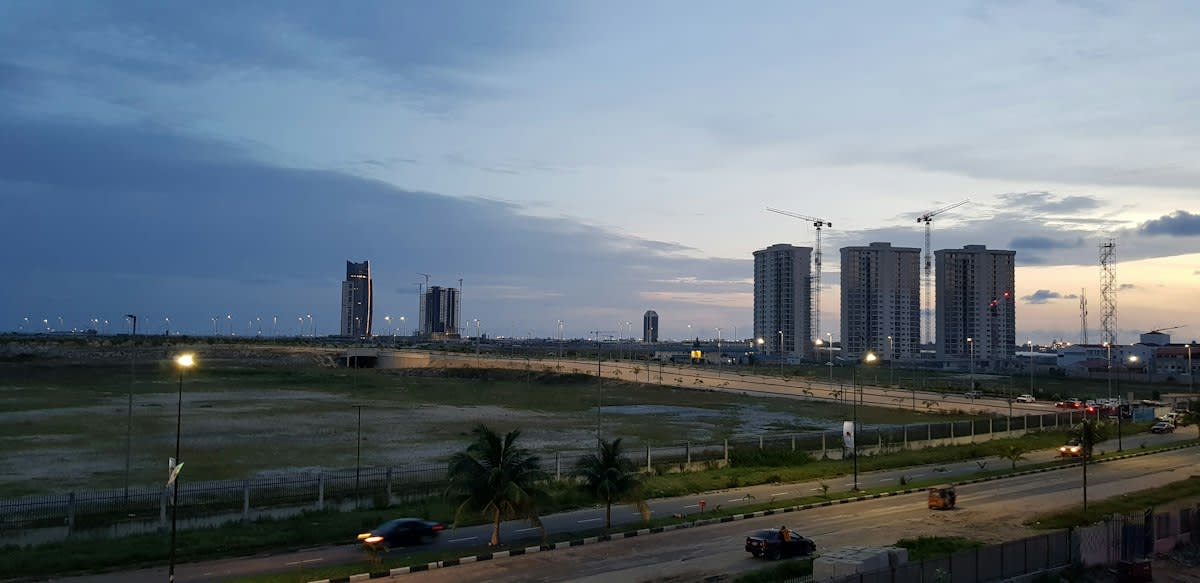
Diesel fumes choke the air. In a nation celebrating 66 years of independence, the paradox remains that an oil giant yields dwarf dividends while widespread energy poverty persists (Source: The Sun, 2026). This is not a failure of production volume but a failure of conversion, where the state has repeatedly failed to turn crude and gas into refining capacity, reliable electricity, and industrial jobs. The air in Lagos smells of scorched polymer and desperation as generators hum in a frantic, uneven rhythm to keep basic services alive.
Prerequisites for Energy Conversion
To operate within the Nigerian energy sector, one must first abandon the notion that reserves equal power. Gas reserves in the ground do not power homes or factories; value is only created when that gas is produced and reliably delivered to the end consumer (Source: Arise News, 2026). An operator requires a deep understanding of the regulatory hurdles managed by the Nigerian Midstream and Downstream Petroleum Regulatory Authority (NMDPRA) and the Midstream and Downstream Gas Infrastructure Fund (MDGIF). Without these levers, any investment in the gas-to-power value chain is a gamble against a history of unbankable projects.
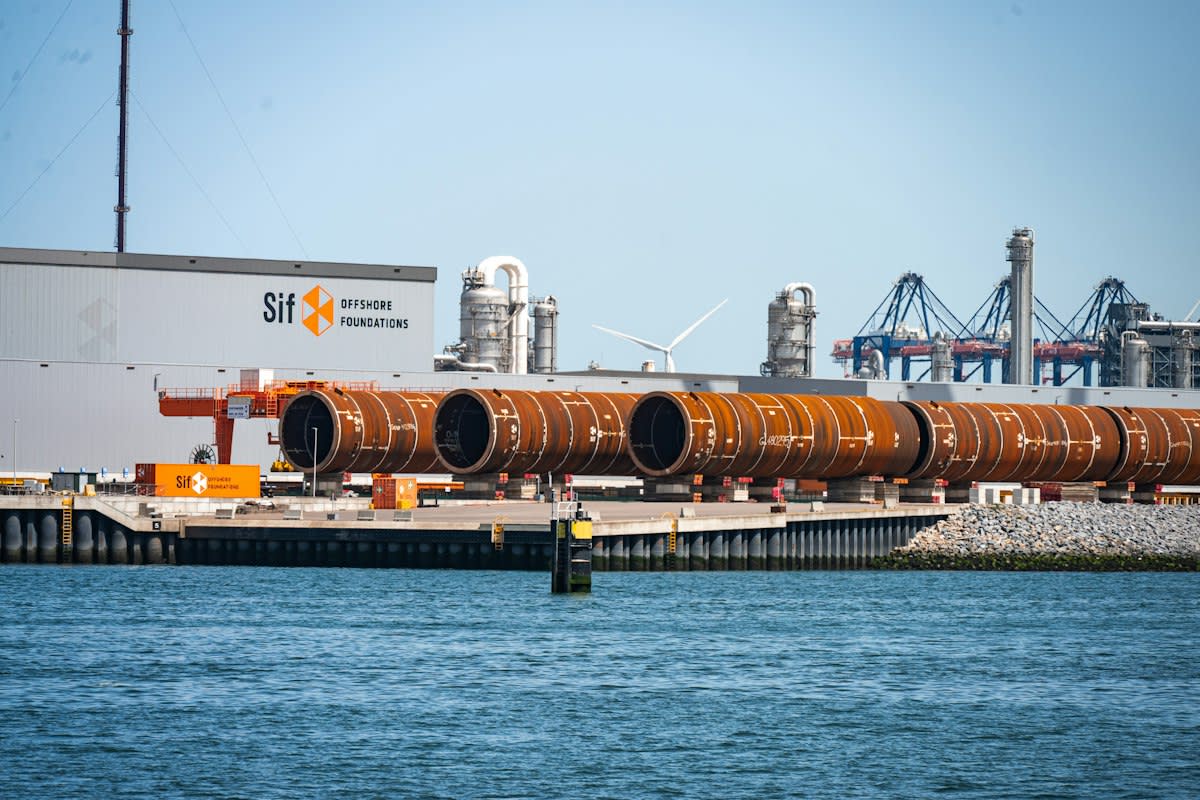
The ground-level reality is a cacophony of humming server racks powered by expensive, privately sourced diesel in districts like the Lagos ports. While the government has moved to decongest these ports and upgrade eastern facilities to improve flow (Source: Leadership, 2026), the energy that drives these movements remains fragile. The transition from an oil-exporting giant to a regional energy powerhouse is stalled by a historical tendency to treat energy resources as simple commodities for export rather than building blocks for an integrated economy (Source: The Sun, 2026). This mindset has left the transmission and distribution chain in a state of oxidized copper and decay.
"Gas reserves in the ground do not power homes or factories. Gas creates value only when it is produced and reliably delivered to consumers."— Okechukwu Mba, Okon, Director of Gas & New Energy at Seplat
The Conversion Process: From Crude to Current
- Secure regulatory clearance through the NMDPRA to ensure project legality and midstream alignment.
- Address legacy debts in the gas-to-power value chain to improve the bankability of the project for private equity (Source: Arise News, 2026).
- Establish physical delivery networks to move gas from the ground to the turbine, bypassing the typical bottlenecks of abandoned assets.
- Integrate renewable energy sources to diversify the energy mix and reduce total reliance on oil production (Source: Leadership, 2026).
- Convert the resulting electricity into industrial productivity, jobs, and exports to move beyond the commodity trap (Source: The Sun, 2026).
Executing this process requires navigating a landscape of stale air-conditioning and bureaucratic friction. In the boardrooms of Lagos and Abuja, the debate isn't about the presence of gas, but about the delivery. The International Energy Agency notes that Nigeria has recently become an Association country, joining South Africa, Kenya, and Senegal to better mobilize investment and expand access to clean cooking solutions (Source: Leadership, 2026). This status is a strategic pivot, yet the gap between IEA membership and the actual flicker of fluorescent lights in a Kano workshop remains a chasm of unfulfilled potential.
| Asset Type | Current State | Required Outcome |
|---|---|---|
| Crude Oil | Export Commodity | Refining Capacity (Source: The Sun, 2026) |
| Natural Gas | Dormant Reserves | Reliable Consumer Delivery (Source: Arise News, 2026) |
| Electricity | Epileptic Supply | Integrated Distribution Chain (Source: The Sun, 2026) |
| Investment | High Risk/Legacy Debt | Bankable Gas Projects (Source: Arise News, 2026) |
Practitioners in the energy field experience this friction as a constant battle against inertia. When attempting to scale gas-to-power projects, the primary obstacle is often the legacy debt that makes new ventures unbankable (Source: Arise News, 2026). This creates a cycle where the state cannot attract the necessary capital to build the very networks that would generate the revenue to pay off those debts. The result is a stalled machine, where the only things moving are the diesel trucks fueling the private generators of the wealthy.
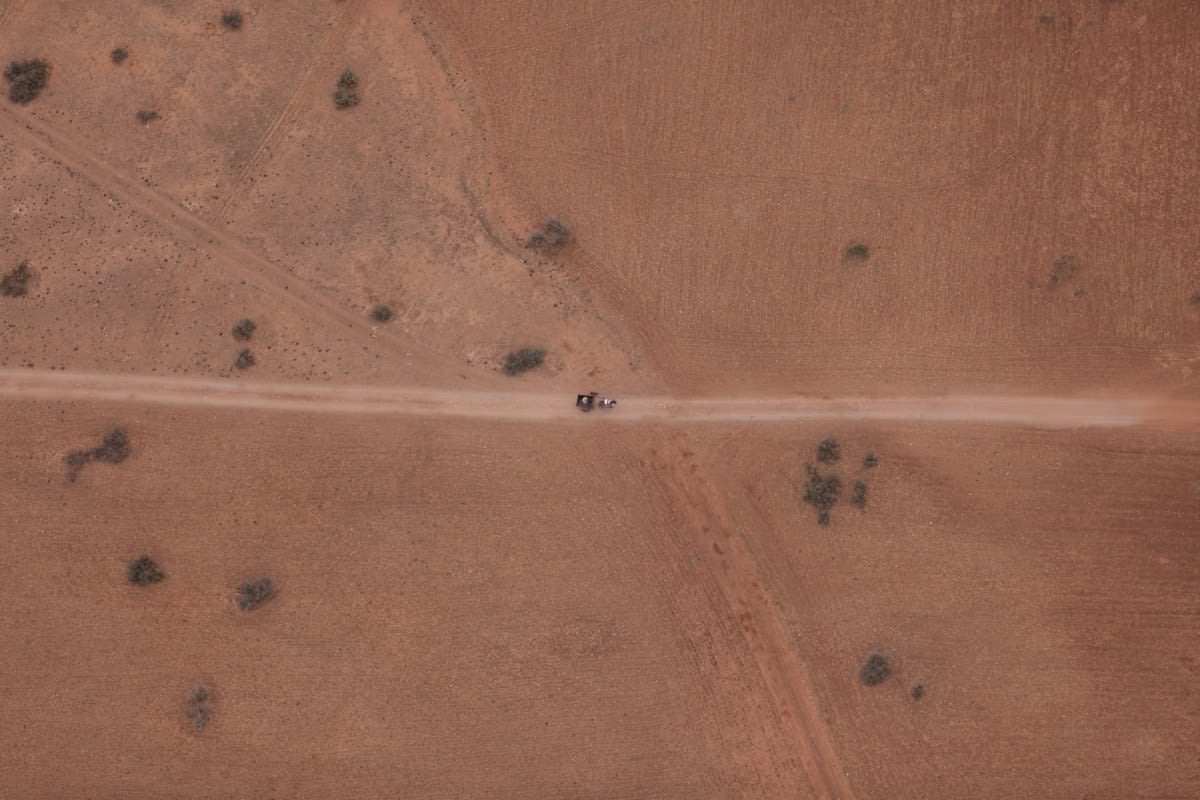
Logistics often serve as the hidden killer of energy stability. For instance, the EBID has approved $390 million for various operations, with $100 million allocated specifically for the Kano-Maradi railway (Source: Arise News, 2026). While transport links are essential, they are secondary to the primary energy crisis. A railway can move goods across the north, but it cannot replace a stable grid. The government's push to diversify the energy mix via renewables is a necessary hedge, but it does not solve the immediate need for the massive refining capacity that has been neglected for 66 years (Source: The Sun, 2026).
Failure Points
- Commodity Trap: Treating oil and gas as export products rather than building blocks for an internal economy (Source: The Sun, 2026).
- Refining Gap: Producing vast amounts of crude without developing the internal capacity to refine it into usable fuel (Source: The Sun, 2026).
- Delivery Void: Holding massive gas reserves that cannot reach the consumer due to poor production and delivery networks (Source: Arise News, 2026).
- Financial Friction: Legacy debts in the gas-to-power chain that render new projects unbankable (Source: Arise News, 2026).
- Access Deficit: An estimated 600 million people in sub-Saharan Africa still lacking access to electricity (Source: Arise News, 2026).
The most critical failure point is the structural refusal to integrate the energy chain. By focusing on the front end (extraction) and ignoring the back end (refining and distribution), Nigeria created a system where it must import the very fuels it produces. This circular failure ensures that the wealth generated by oil is immediately leaked back out of the country to pay for refined petroleum products. This is the essence of the dwarf dividends; the wealth exists, but it is never converted into local value.
Common Pitfalls for Field Operators
- Overestimating Reserve Value: Assuming that high gas reserves translate to a ready market without checking the delivery network (Source: Arise News, 2026).
- Ignoring Regulatory Lag: Failing to account for the time and friction involved in NMDPRA clearances.
- Underestimating Debt Impact: Entering the gas-to-power sector without a strategy to mitigate the impact of legacy debts on bankability (Source: Arise News, 2026).
- Over-reliance on Oil: Neglecting the shift toward renewable diversification and IEA standards for clean cooking (Source: Leadership, 2026).
Many investors mistake reserve size for market readiness. They see the vast gas endowments and assume a ready market, ignoring the fact that 600 million people across sub-Saharan Africa still lack basic electricity access (Source: Arise News, 2026). Without a reliable delivery mechanism, the value of gas is purely theoretical. Operators who fail to account for the regulatory hurdles of the NMDPRA often find their projects stalled in a bureaucratic limbo of oxidized copper and red tape, while the actual energy needs of the population go unmet.
Editorial Note
This guide is based on current reported data from 2026. The intersection of IEA Association status and local regulatory shifts suggests a period of high volatility for energy investments in the region.
Fact-Check & Accuracy Note
All statistics regarding energy poverty (600 million in sub-Saharan Africa) and financial allocations ($100m for Kano-Maradi rail) are sourced from Arise News (2026). The 'dwarf dividends' analysis is attributed to The Sun (2026).