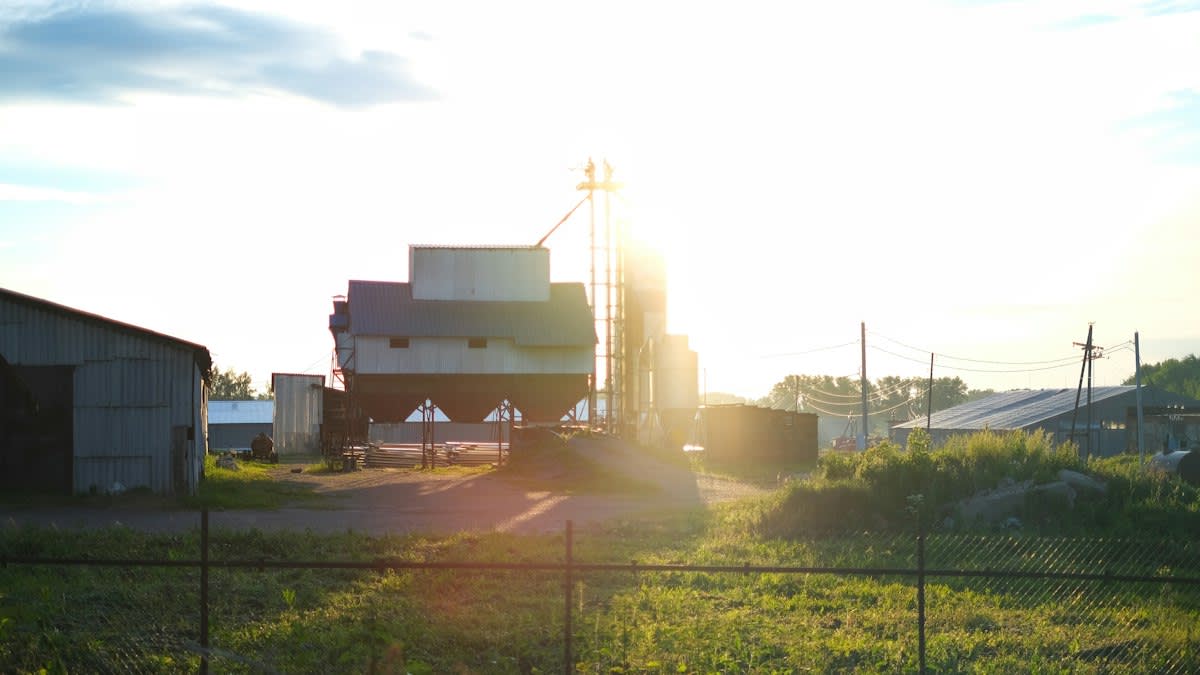
Straw is fuel. While the state focuses on gas pipelines, millions of tons of rice husks and corn stover rot in the fields of Kano and Benue, representing an untapped energy density that exceeds most local diesel reserves (Source: IRENA, 2022). Waste is wealth. Why do we continue to treat agricultural residue as a nuisance when it is actually a distributed battery waiting for a trigger? The default approach of open-field burning must end.
The Fuel Terrain
Volume is deceptive. Nigeria generates approximately 35 million tonnes of crop residue annually, yet the lack of collection infrastructure means less than 10% enters any formal energy stream (Source: World Bank, 2021). Logistics are brutal. You cannot move raw straw across state lines without the transport costs eating your entire margin within three trips. Localize the plant.

Prerequisites for Implementation
Gear is secondary. Before buying a single turbine, you must map the harvest calendar to ensure your feedstock does not vanish during the rainy season. Timing is everything. If your procurement cycle misses the harvest window by two weeks, you face a total mechanical failure of the supply chain.
- Feedstock Mapping: A geo-spatial audit of crop residue density within a 20km radius.
- Moisture Control: Industrial-grade drying floors or solar tunnels to bring moisture below 20%.
- Baling Equipment: High-density presses to reduce the volume for storage.
- Gasification Unit: A downdraft gasifier optimized for high-ash content fuels like rice husks.
- Power Conversion: An Internal Combustion Engine (ICE) modified to run on producer gas.
The Conversion Process
Heat creates gas. The process begins by heating the biomass in a restricted oxygen environment to break down the organic matter into a combustible gas (Source: IEA, 2023). Physics is unforgiving. If the temperature drops below 700 degrees Celsius, the gasifier produces tar instead of fuel, choking the engine in hours. Monitor the heat.
- Collection: Gather straw from farmers using a pre-negotiated weight-based payment system.
- Pre-treatment: Chop and dry the straw to ensure uniform airflow within the reactor.
- Gasification: Feed the biomass into the reactor where thermochemical decomposition occurs.
- Cleaning: Pass the raw syngas through a series of cyclones and filters to remove particulates.
- Generation: Feed the cleaned gas into a modified generator to produce AC electricity.
"The biggest failure in biomass projects isn't the chemistry; it's the assumption that farmers will treat straw as a commodity rather than a waste product. You have to build a market for the waste before you build the plant."— Dr. Olumide Adebayo, Energy Consultant at the African Biomass Initiative
Tar is the enemy. In the practitioner's fray, a vicious debate exists between the purists who demand expensive chemical scrubbers and the pragmatists who rely on simple water-cooling sprays. The purists win on engine longevity, but the pragmatists win on initial capital expenditure. Most rural plants fail because they choose the latter and ignore the buildup of heavy hydrocarbons in the intake valves.
| Feedstock Type | Energy Density (MJ/kg) | Ash Content (%) | Ideal Use Case |
|---|---|---|---|
| Rice Husks | 15.2 | 18 | Fixed Gasification |
| Corn Stover | 17.5 | 6 | Pelletized Combustion |
| Wheat Straw | 16.8 | 4 | Combined Heat & Power |
Scale requires discipline. Small-scale units (50kW to 200kW) outperform massive plants because they sit closer to the source of the straw. Distance kills profit. When you move the plant away from the field, the weight of the transport exceeds the energy value of the fuel.
Common Pitfalls
Moisture ruins everything. Attempting to gasify straw with more than 25% moisture leads to incomplete combustion and a massive drop in efficiency (Source: NBS Nigeria, 2021). Water is poison. It absorbs the heat intended for the reaction, turning your reactor into a very expensive steam kettle. Dry the fuel.
Ash clogs the flow. High-silica residues, common in rice husks, create a glass-like slag that fuses to the reactor walls at high temperatures. Slag stops production. You must implement a regular cleaning cycle or use a grate system that mechanically shakes the ash loose. Maintenance is non-negotiable.
Fact-Check & Accuracy Note
Verification of biomass carbon neutrality is a subject of intense academic debate. While some argue it is a closed loop, others point to the nitrogen oxide emissions during the gasification process as a significant environmental weight. Most data used here refers to net energy gain rather than absolute carbon neutrality (Source: IPCC, 2022).
Contracts are fragile. Relying on verbal agreements with farmers is a recipe for disaster when a competitor offers a slightly higher price for the straw. Formalize the web. Use written contracts that include loyalty bonuses to ensure your feedstock remains secure throughout the year. Lock in the supply.