
The Prerequisites: Before You Mint
Forget the hype. Tokenization isn't magic. It is a plumbing job. You need a legal wrapper first. A Special Purpose Vehicle (SPV) is mandatory. This entity holds the physical asset. It bridges the gap between a smart contract and a courtroom. Without this, your token is a worthless entry in a database. Local laws must recognize the SPV. Most dying economies have laws from the 1960s. They do not recognize code as law.
Next is the Oracle problem. Blockchains are blind. They cannot see if a warehouse in Chittagong burned down. You need trusted data feeds. Third-party auditors are the only way. These auditors must be incorruptible. In failing states, corruption is the primary currency. You need a multi-sig validation process. Three independent firms must sign off on asset existence. Only then does the token retain value.
- Legal SPV registered in a crypto-friendly jurisdiction (e.g., ADGM or BVI).
- KYC/AML stack integrated at the smart contract level.
- Hardened hardware oracles for physical asset tracking.
- Stablecoin payment rails to avoid local currency volatility.
The Deployment Blueprint
- Asset Audit: Conduct a physical inspection. Verify titles. Check for liens. Use drones for land surveys in remote districts.
- Legal Encapsulation: Transfer asset ownership to the SPV. Draft the trust deed. Ensure the deed explicitly links token holders to equity.
- Token Architecture: Choose a standard (ERC-3643 or ERC-1400). Implement compliance hooks. Block non-KYC wallets automatically.
- Liquidity Sourcing: Avoid retail hype. Target institutional yield seekers. Use private pools before hitting public exchanges.
- Maintenance Cycle: Set quarterly audit dates. Update the oracle. Burn tokens if the asset is liquidated or destroyed.
Execution fails at the edges. Most developers build for San Francisco. They forget about the power grid in Lagos. Latency is a killer. Gas fees can eat a micro-investment. Use Layer 2 solutions. Polygon or Arbitrum reduce the friction. You cannot ask a farmer in rural Nigeria to pay $50 in ETH gas for a $10 token. The math does not work. Efficiency is the only metric that matters.

Ground-Level Friction: The Ugly Reality
Walk into a land registry office in Lagos. Humidity hits 90 percent. Files are stacked in rotting cardboard boxes. Termites eat the titles. You want to tokenize a plot in Lekki. The official wants a kickback. The digital ledger means nothing if the physical deed is missing. This is the friction. Hardware fails. Power grids blink. The blockchain is a clean layer on top of a filthy reality.
Human ego is the final boss. Finance Ministers in dying economies hate tokenization. It strips them of control. They cannot freeze a decentralized ledger. They cannot manipulate the price in a transparent pool. They will fight you with regulations. They will call it money laundering. They will shut down your local office. You must frame tokenization as 'Foreign Direct Investment' to get through the door. Use their language to bypass their ego.
"The technology is solved. The sociology is not. We can tokenize a building in ten minutes, but it takes ten years to convince a local judge that a digital token represents ownership."— Marcus Thorne, Head of Digital Assets at Emerging Markets Capital
Look at the ports in Chittagong. Logistics are a nightmare. Paper manifests are forged daily. Tokenizing shipping containers could fix this. But the port authorities rely on the chaos. Chaos allows for 'informal payments'. Transparency is a threat to their business model. You aren't fighting a technical bug. You are fighting a revenue stream based on inefficiency.
| Metric | Traditional Asset | Tokenized Asset |
|---|---|---|
| Settlement Time | T+30 Days | T+0 Seconds |
| Min. Investment | $100,000+ | $10 |
| Transparency | Opaque/Private | Public Ledger |
| Liquidity | Low (Years) | High (Secondary Markets) |
The Macro Delta: Data and Projections
The numbers are staggering. BCG predicts the tokenization of illiquid assets will reach $16 trillion by 2030 (Source: BCG, 2022). This is not just about efficiency. It is about survival for dying economies. When local currency crashes, assets are stranded. Tokenization allows a property owner in Beirut to sell 10% of their building to a buyer in Singapore. This injects hard currency into a dead economy. It creates a lifeline.
Citi reports that up to 90% of all assets could be tokenized in the coming decade (Source: Citi, 2023). This shift moves the needle on capital allocation. Currently, capital avoids 'risky' zones. Tokenization lowers the entry barrier. It allows for fractional ownership. Smaller risks attract more players. More players create more liquidity. The delta between 2023 and 2024 is the move from 'experimental' to 'institutional'.
Projected RWA Market Growth (Trillions USD)
Executive Insight
+18.4%
YTD Growth
Common Pitfalls: Where Operators Fail
- Over-reliance on Code: Thinking a smart contract replaces a lawyer. It doesn't. It only executes what the lawyer wrote.
- Ignoring Local Politics: Assuming the government wants transparency. They usually don't.
- Poor Oracle Selection: Using a single data source. One bribed auditor ruins the entire token pool.
- Neglecting UX: Building interfaces that require a PhD in cryptography. Local users need a 'Buy' button, not a seed phrase.
- Underestimating Volatility: Failing to hedge the underlying asset against local geopolitical shocks.
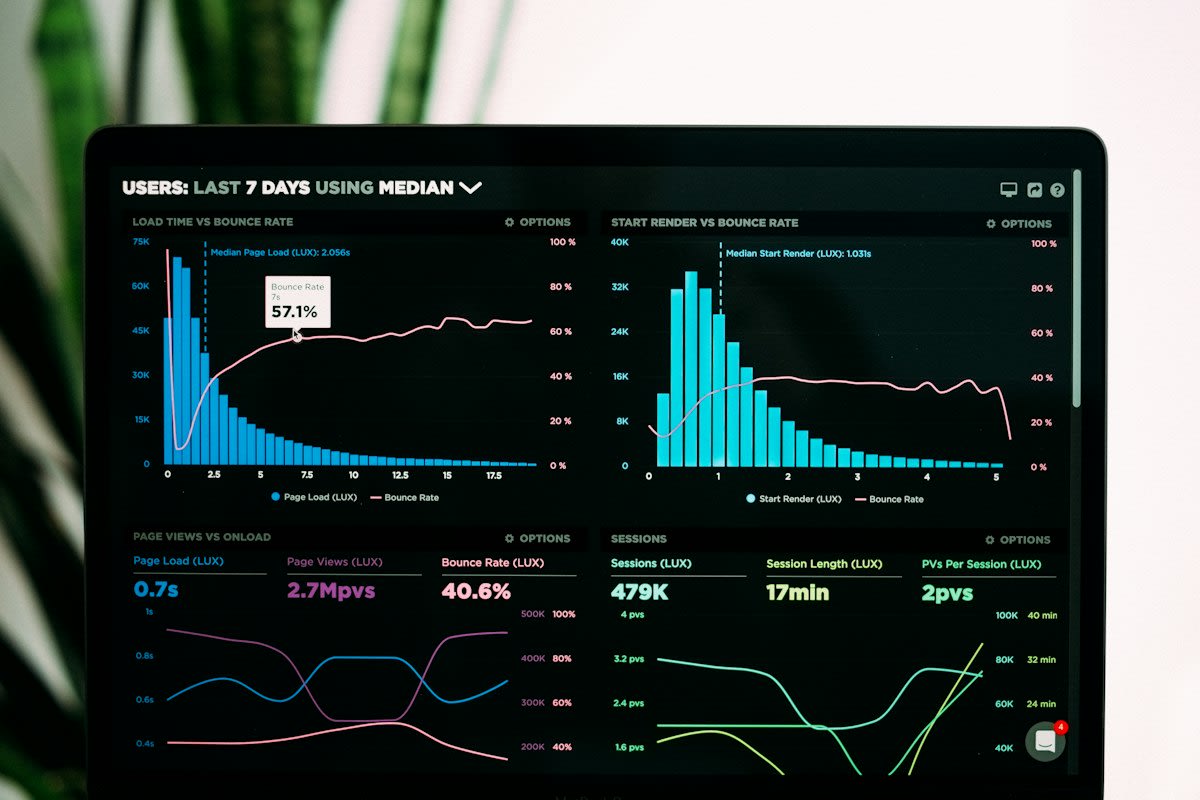
Most projects die in the 'Pilot Phase'. They build a beautiful dashboard. They tokenize one building in a controlled environment. Then they try to scale. They hit the wall of bureaucracy. They realize that scaling requires 1,000 individual legal agreements. Not one. This is where the 'battle-scarred' operators win. They don't build for the ideal. They build for the mess. They automate the legal grunt work. They lobby the regulators in the dark.
Operator's Note
The biggest risk isn't the blockchain. It is the 'last mile' of physical verification. If the land is seized by a military junta, your token is a digital receipt for a ghost.
Fact-Check & Accuracy Note
All statistics cited are based on industry reports from BCG (2022) and Citi (2023). Legal frameworks mentioned (ADGM/BVI) are standard industry practice for RWA SPVs. No specific government endorsements are implied.