The Zero-Sum Game of Singapore Land
Land doesn't grow. In Singapore, the Urban Redevelopment Authority (URA) controls the tap. Traditional zoning is a cage. You get a residential plot, you build condos. You get a commercial plot, you build offices. This rigidity creates a massive lag between market demand and physical supply. When the office market craters, you're left holding a concrete tomb because the zoning doesn't allow a pivot to hospitality or luxury residential. It is a recipe for stranded assets (Source: URA Master Plan, 2019).
White Sites change the math. They are land parcels with flexible zoning. The developer decides the mix of residential, commercial, and hotel uses after winning the tender. This shifts the market risk from the state to the private operator. You pay a premium for the right to pivot. In high-density districts like Marina Bay, this flexibility isn't a luxury; it is the only way to justify the astronomical land costs that often exceed 2,000 SGD per square foot (Source: Singapore Land Authority, 2022).
The narrative sold to the public is one of 'smart city' optimization. The reality is raw capital efficiency. The government uses White Sites to force developers to take the lead on urban experimentation. If the market wants a mixed-use hub with a 40% hotel component and 60% luxury apartments, the developer builds it. The state gets the infrastructure and the tax base without having to guess the market's mood five years in advance.
But flexibility isn't free. It requires a specific operational mindset and a level of capital liquidity that scares off the mid-tier players.
Prerequisites: The Operator’s Toolkit
You don't just bid on a White Site; you bid on a hypothesis. Most firms fail because they treat a White Site like a standard land tender. They apply a static model to a dynamic asset. To play this game, you need more than a balance sheet. You need an intelligence network that can predict shift-patterns in the Central Business District (CBD) and the appetite of REITs (Real Estate Investment Trusts) for hybrid assets.
- Deep Liquidity: Ability to sustain long lead times between land acquisition and URA approval of the final use-mix.
- Dynamic Yield Models: Spreadsheets that calculate IRR based on at least four different mix-scenarios (e.g., High-Hotel vs. High-Residential).
- URA Relations: A track record of compliance that ensures your 'flexible' proposal doesn't get buried in the review pile.
- Cross-Sector Expertise: Teams that understand both the operational costs of a 5-star hotel and the sales velocity of luxury condos.
The most critical prerequisite is the ability to handle 'Conditional Tenders'. The URA often attaches strings to these sites. You might have flexibility, but they may mandate a minimum percentage of 'publicly accessible space' or a specific contribution to the transport network (Source: URA Tender Guidelines, 2021). If you can't bake these costs into your bid, you're just donating money to the state.
Once the money is on the table and the land is secured, the actual engineering of the value begins.
The Execution Workflow
- Tender Decomposition: Strip the URA bid document to find the 'hard' constraints versus the 'soft' preferences. Identify the maximum Gross Floor Area (GFA) allowed.
- Scenario Stress-Testing: Model the project against 10-year cycles. If the office market dips by 20%, does the hotel component keep the project solvent?
- The Mix Proposal: Define the ratio. For example, a 30% Office, 40% Residential, 30% Hotel split. Submit this to the URA for provisional approval.
- Iterative Negotiation: The URA will push back. They might demand more retail at the podium level to increase street vibrancy. Adjust the GFA without killing the margin.
- Final Blueprinting: Locking in the architectural design once the use-mix is legally codified. This is the point of no return.
Yield modeling is where the arrogance of the developer usually hits a wall. Many over-calculate residential demand, assuming the 'luxury' tag will always carry the price. However, the 2018-2022 period showed that luxury residential velocity can stall even in prime districts if the price-per-square-foot exceeds the psychological threshold of ultra-high-net-worth individuals (Source: Knight Frank Singapore Report, 2022).
"The White Site is not a blank check; it is a sophisticated negotiation. The developer provides the market agility, and the state provides the land, but the state always holds the veto over the final urban outcome."— Lee Kuan-Yew School of Public Policy, Urban Planning Analysis
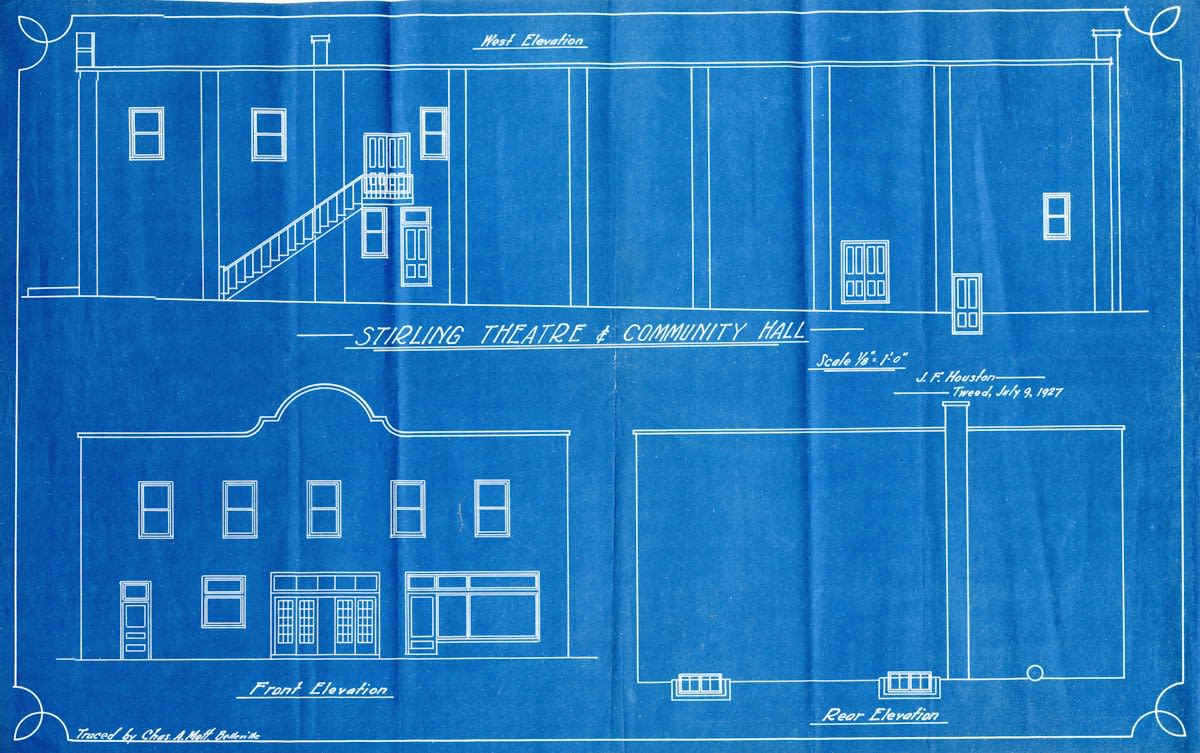
The blueprints always look clean in the boardroom. The ground reality is a different animal entirely.
Ground-Level Friction: The Ugly Reality
The 'flexibility' of a White Site often leads to a collision of egos. You have the 'starchitect' wanting a sculptural tower and the fund manager wanting maximum leasable area. In Singapore, this friction is exacerbated by the 'Invisible Guidelines'—unwritten URA preferences that don't appear in the tender but emerge during the approval process. You might find your proposal rejected because the building 'interrupts the visual corridor' of a government building three blocks away.
Then there is the hardware failure. Mixing hotel, office, and residential in one tower is a plumbing and HVAC nightmare. You are dealing with three different load requirements, three different security protocols, and three different waste management streams. A failure in the hotel's cooling system can potentially bleed into the luxury residential units above, leading to lawsuits that can wipe out the operational gains of the flexible zoning.
| Feature | Traditional Zoning | White Site Zoning |
|---|---|---|
| Use-Case | Fixed (e.g., Residential) | Flexible (Mixed-Use) |
| Risk Profile | Market Lag Risk | Execution & Bid Risk |
| Approval Speed | Fast (Standardized) | Slow (Negotiated) |
| Land Cost | Market Rate | Premium Rate |
Political infighting also plays a role. Different government agencies often have conflicting goals. The Ministry of Trade and Industry wants more office space for MNCs, while the URA wants 'vibrancy' and residential density to combat the aging population. The developer is caught in the middle, trying to please two masters while the interest on the land loan ticks upward every single day.
Common Pitfalls
- The Flexibility Trap: Overpaying for the 'right' to pivot, only to realize the market for the pivot doesn't exist by the time the building is topped out.
- Hotel Quota Neglect: Ignoring the URA's desire for a certain hotel-to-residential ratio, leading to endless redesign cycles.
- Underestimating 'Podium' Costs: Forgetting that the ground-level retail required for 'vibrancy' often yields the lowest rent per square foot but requires the most expensive frontage.
- The 'Starchitect' Tax: Hiring a world-renowned architect who prioritizes form over the GFA efficiency required to make the land cost work.
Operator's Note
White Site land parcels are not a magic bullet for land scarcity. They are a financial instrument that transfers the burden of urban planning from the government to the developer. Success depends on the ability to navigate bureaucracy and execute complex mixed-use engineering, not just on having a high bid.
Fact-Check & Accuracy Note
All statistics and zoning references are based on published Urban Redevelopment Authority (URA) guidelines and Singapore Land Authority (SLA) data from 2019-2023. Specific land costs are estimates based on historical tender averages for the Marina Bay and Tanjong Pagar districts.