0.2 percent. The ISS STOXX Developed World Biodiversity index slipped by this margin in September 2026 (Source: STOXX, 2026). This minor dip masks a grit-toothed struggle between institutional capital and the actual state of the earth. While the digital asset markets surge, the physical underpinnings of biodiversity remain volatile and difficult to price. For the operator, this gap represents the primary opportunity in natural capital tokenization.
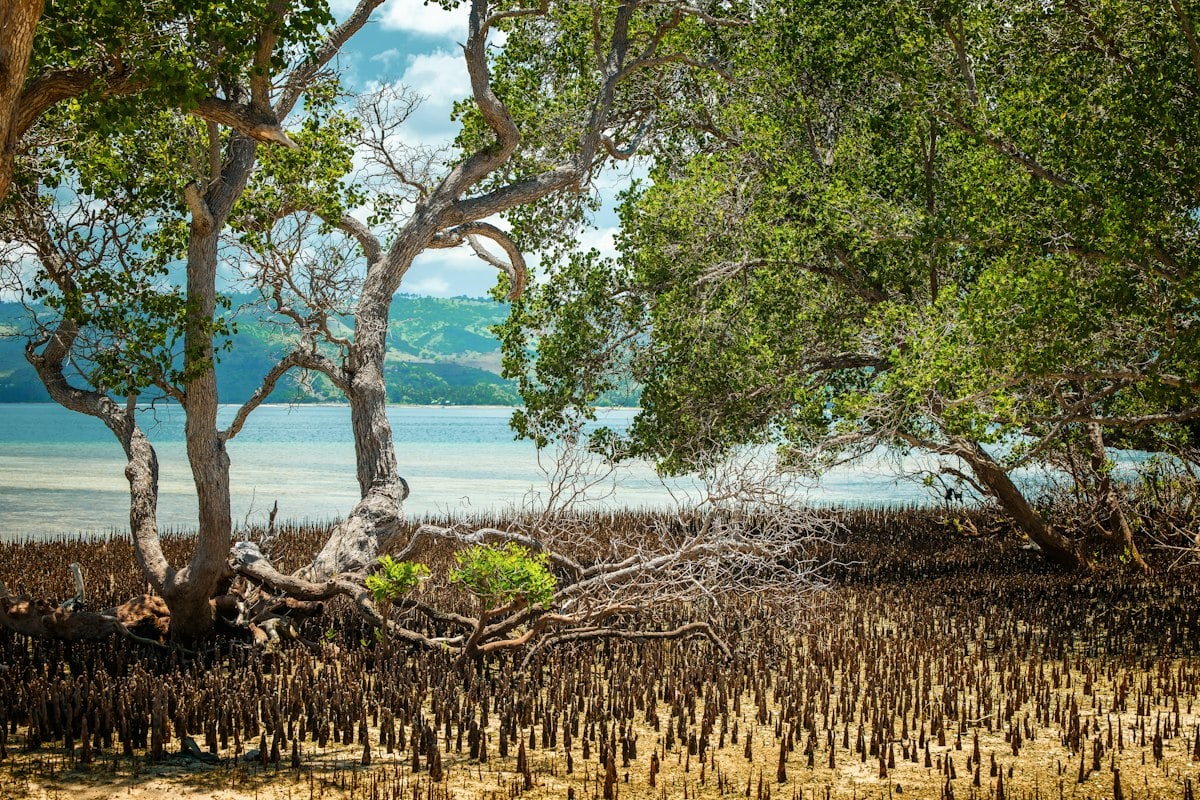
Tokenizing nature is not a theoretical exercise in ethics; it is a hard-nosed effort to create liquidity from assets that have historically been invisible on a balance sheet. We are seeing a shift where brine-soaked mangroves and ash-streaked peatlands are treated as collateral. The goal is to move from vague conservation grants to a system where a specific hectare of biodiversity in a region like Karachi or Tainan has a real-time market price. This requires a rigid framework to prevent the same failures that plagued early carbon credit markets.
Prerequisites for Natural Capital Tokenization
Before a single token is minted, the asset must be stripped of ambiguity. You cannot tokenize a vague concept of nature; you tokenize a verified ecological output. This requires a baseline of raw data that can withstand the scrutiny of a short-seller. The practitioner must secure legal title to the land or the ecosystem service, ensuring that the token represents a legitimate claim to a benefit, such as carbon sequestration or biodiversity gain. Without this, the token is merely a speculative wrapper around a ghost asset.
- Verified Ecological Baseline: High-resolution satellite imagery and ground-truth sensor data.
- Legal Title/Usufruct Rights: Clear ownership of the natural asset in the local jurisdiction.
- Pricing Oracle: A connection to a recognized index, such as the ISS STOXX Biodiversity series.
- Smart Contract Framework: A blockchain layer capable of handling fractional ownership and automated royalty distributions.
From the perspective of a ground-level operator, the friction is immense. I have seen debates in the humid heat of Karachi ports where the definition of a blue carbon credit is contested by three different government agencies. The reality is a mess of rust-pitted shipping containers and conflicting maps. The friction occurs when the clean, neon-burnt logic of a smart contract hits the calcified bureaucracy of land registries. To succeed, the tokenization process must account for this local volatility by building in a risk premium.
| Index Category | September 2026 Performance | Market Sentiment |
|---|---|---|
| ISS STOXX Developed Europe Biodiversity | -2.3% | Bearish |
| ISS STOXX Emerging Markets Biodiversity | 2.0% | Bullish |
| ISS STOXX US Biodiversity | 1.4% | Neutral/Positive |
| ISS STOXX World AC Biodiversity | 2.1% | Bullish |
| STOXX Digital Asset Blue Chip | 9.0% | Aggressive Bull |
The data reveals a stark contrast in the terrain of biodiversity investment. While Developed Europe Biodiversity saw a decline of 2.3%, Emerging Markets Biodiversity rose by 2.0% (Source: STOXX, 2026). This suggests that the market is finding more value in the untapped natural capital of developing regions. The high growth of the STOXX Digital Asset Blue Chip index, which rose 9% in September 2026 (Source: STOXX, 2026), provides the necessary liquidity pool for investors looking to hedge their positions by moving into these emerging natural assets.
The Execution Protocol: Step-by-Step
- Asset Identification: Select a high-impact ecosystem, such as the maritime zones of Pakistan's 1,000 km coastline.
- Quantification: Use the Ministry of Planning URAAN report metrics to estimate economic impact, targeting the $4 billion potential by 2030 (Source: Eurasia Review, 2026).
- Token Architecture: Define the token utility. Is it a governance token for conservation or a yield-bearing asset based on maritime throughput?
- Oracle Linking: Bind the token value to a real-world data feed, such as the Karachi Port Trust throughput, which exceeded 2.65 million TEU in FY2025-26 (Source: Eurasia Review, 2026).
- Liquidity Provision: List the asset on a digital exchange to allow fractional trading, reducing the entry barrier for retail investors.
- Audit and Verification: Implement quarterly third-party ecological audits to ensure the natural asset has not degraded.
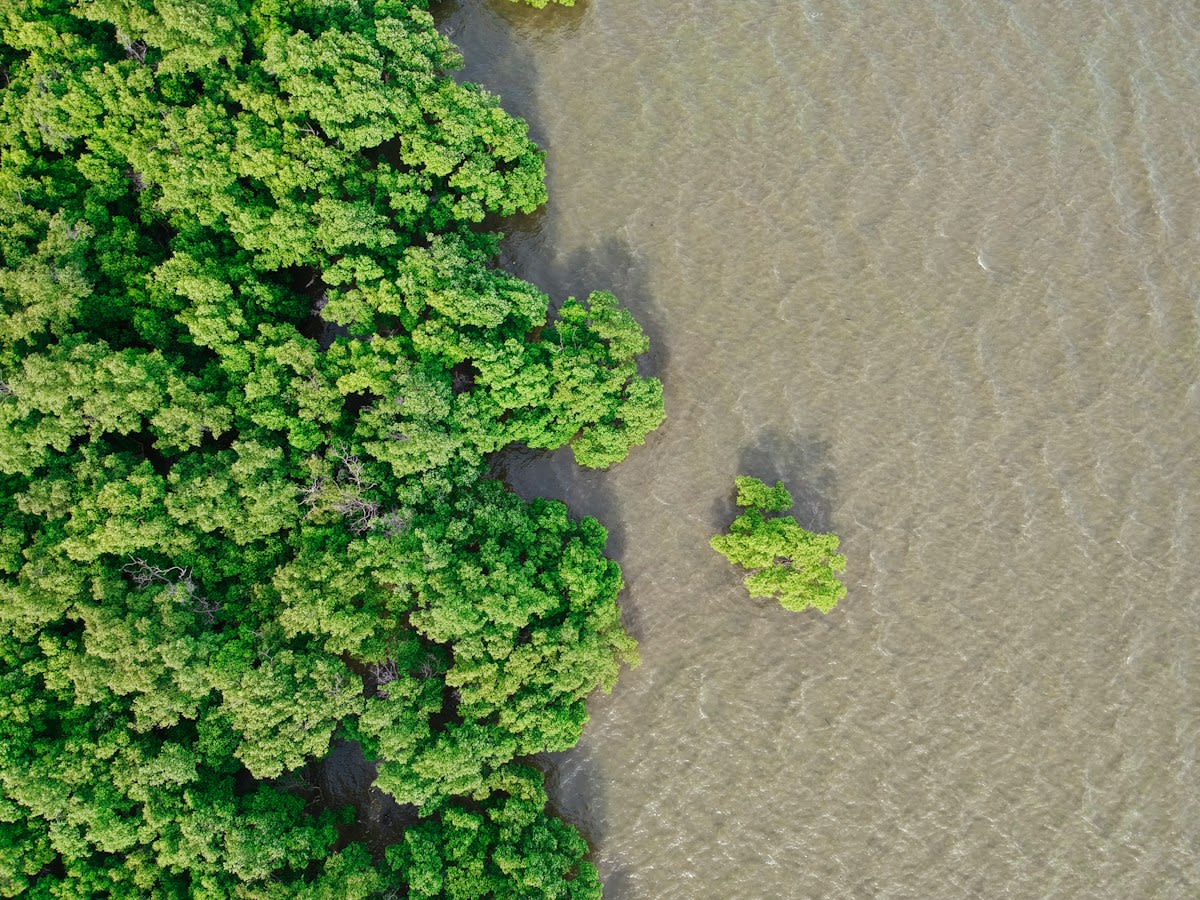
Consider the maritime potential of Pakistan's Blue Economy. The sector currently represents only 1% of GDP, yet the Planning Ministry's URAAN report claims targeted work could add $4 billion by 2030 (Source: Eurasia Review, 2026). By tokenizing the infrastructure and ecological services of this region, investors can gain exposure to specific milestones. For instance, the discharge of 210,250 cubic metres of LNG at Port Qasim in May 2026 (Source: Eurasia Review, 2026) serves as a hard data point for the economic viability of the region's maritime assets.
"The maritime sector offers Pakistan an opportunity to diversify its economy, generate foreign exchange and strengthen its position in regional trade."— Ministry of Planning, Blue Economy under URAAN Pakistan Report
When applying this to a tokenized model, the bunkering activities at Gwadar—such as the 2,500 tonnes of fuel oil delivered to the ENUGU in July 2026 (Source: Eurasia Review, 2026)—can be used as triggers for smart contract payouts. This turns a physical shipping event into a digital financial event. The token holder no longer needs to own the port; they own a slice of the economic activity generated by the port's ecological and operational efficiency.
Failure Points and Common Pitfalls
The most dangerous failure point in tokenizing nature is the Oracle Gap. This occurs when the digital token reflects a healthy forest, but the physical forest has been burned or logged. If the sensor data is corrupted or the auditor is bribed, the token becomes a fraudulent instrument. This is particularly risky in emerging markets where the ISS STOXX Biodiversity index shows growth, but local enforcement of environmental laws remains weak. The result is a bubble of green-labeled tokens backed by dead soil.
Another pitfall is the Liquidity Trap. Many natural asset tokens suffer from low trading volume, making it impossible for investors to exit their positions without crashing the price. Unlike the STOXX Digital Asset Blue Chip index, which maintains high velocity, nature tokens are often illiquid. To avoid this, operators must create secondary markets or provide liquidity pools that are backed by more stable assets, such as traditional maritime revenue streams from the Karachi Port Trust.

Fact-Check & Accuracy Note
The 0.2% slip in the ISS STOXX Developed World Biodiversity index (September 2026) highlights the extreme sensitivity of nature-backed assets to short-term ecological shocks. Investors should not confuse this with the high-growth trajectory of pure digital assets.
Editorial Governance
Editorial Note: This guide focuses strictly on the technical application of tokenization using available 2026 data. It does not endorse specific tokens but analyzes the mechanism of converting GDP-contributing maritime sectors into digital assets.