The Shift from Stealth to Structure
The romantic era of the digital nomad was defined by ambiguity. For years, a global class of remote workers operated in the shadows, utilizing tourist visas to live in low-cost jurisdictions while earning high-value currencies from overseas. They were ghosts in the machine, skirting tax laws and existing in a legal gray area. But the wind has shifted. We are currently witnessing a rapid transition toward the institutionalization of this lifestyle.
Governments are no longer ignoring the trend; they are actively monetizing it. The emergence of specific Digital Nomad Visas across Europe and Asia marks a fundamental change in the relationship between the mobile worker and the state. Who gets the protection of the law? Who is granted the right to reside? The answer is increasingly tied to a verifiable income threshold. This creates a new legal class: the sanctioned nomad.
The Income Hierarchy: Passive vs. Active
In Spain, the distinction between a Non-Lucrative Visa (NLV) and a Digital Nomad Visa is not merely administrative—it is a class distinction. The NLV is designed for those whose income is genuinely passive, such as dividends from holding companies, real estate rentals, or royalty income (Source: Klev&Vera, 2026). This is effectively the 'landed gentry' of the digital age. They do not work for a living; they live off the fruits of their assets.
"The line between 'passive investor in a business' and 'active operator of a business' is not always sharp, and that line is where real planning happens."— Klev&Vera, Immigration and Tax Specialists
This creates a tiered system of residency that mirrors the feudal distinction between those who work the land and those who own it. If you are an 'active operator,' you are a worker, subject to the requirements of a specific employment-based visa. If you are a 'passive investor,' you are a guest of honor, granted residency based on the sheer weight of your capital. Why does this matter? Because it transforms the concept of citizenship into a subscription service for the wealthy.
I have spent time in the coworking hubs of Lisbon and Bali, listening to the friction at ground level. The debates are rarely about the price of coffee; they are about the 'invisible wall.' Nomads argue they are boosting local economies by spending on accommodation and transportation, but locals often describe a feeling of being priced out of their own neighborhoods. The friction occurs when the nomad's 'economic contribution' manifests as a surge in rents that the local service class cannot afford.
Building the Infrastructure of Dependence
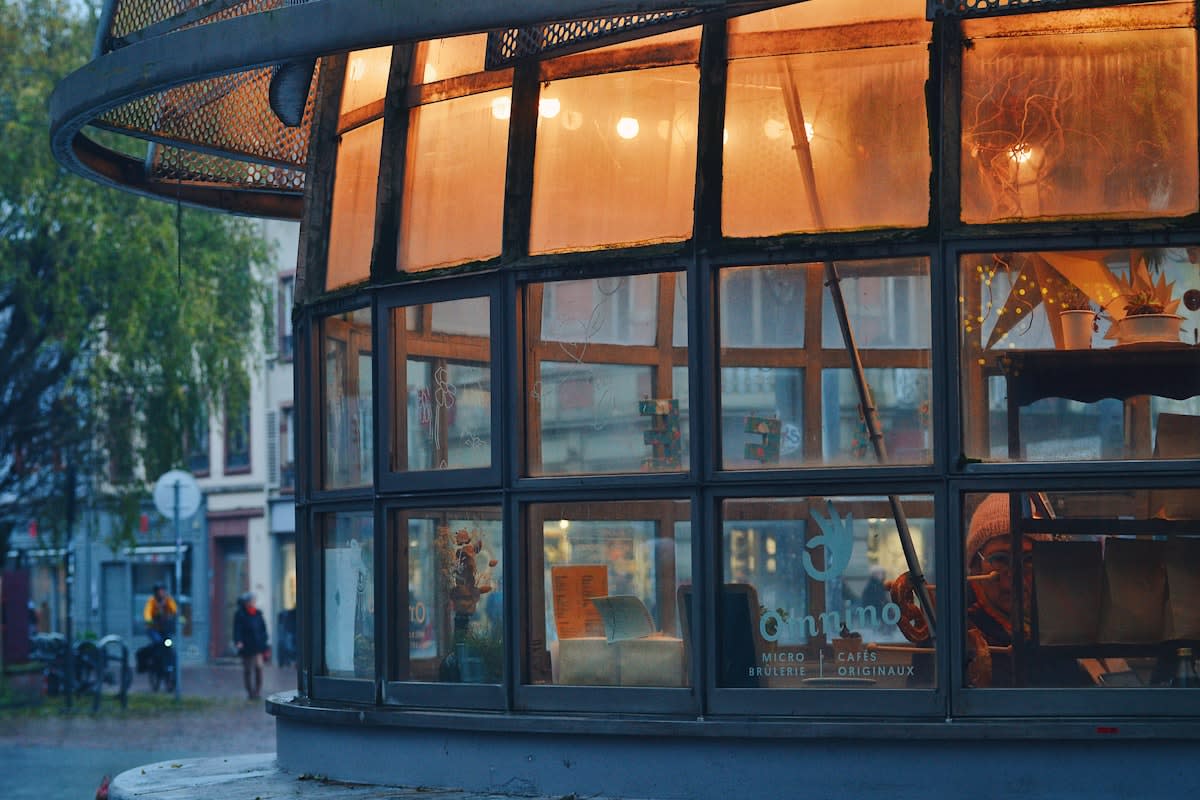
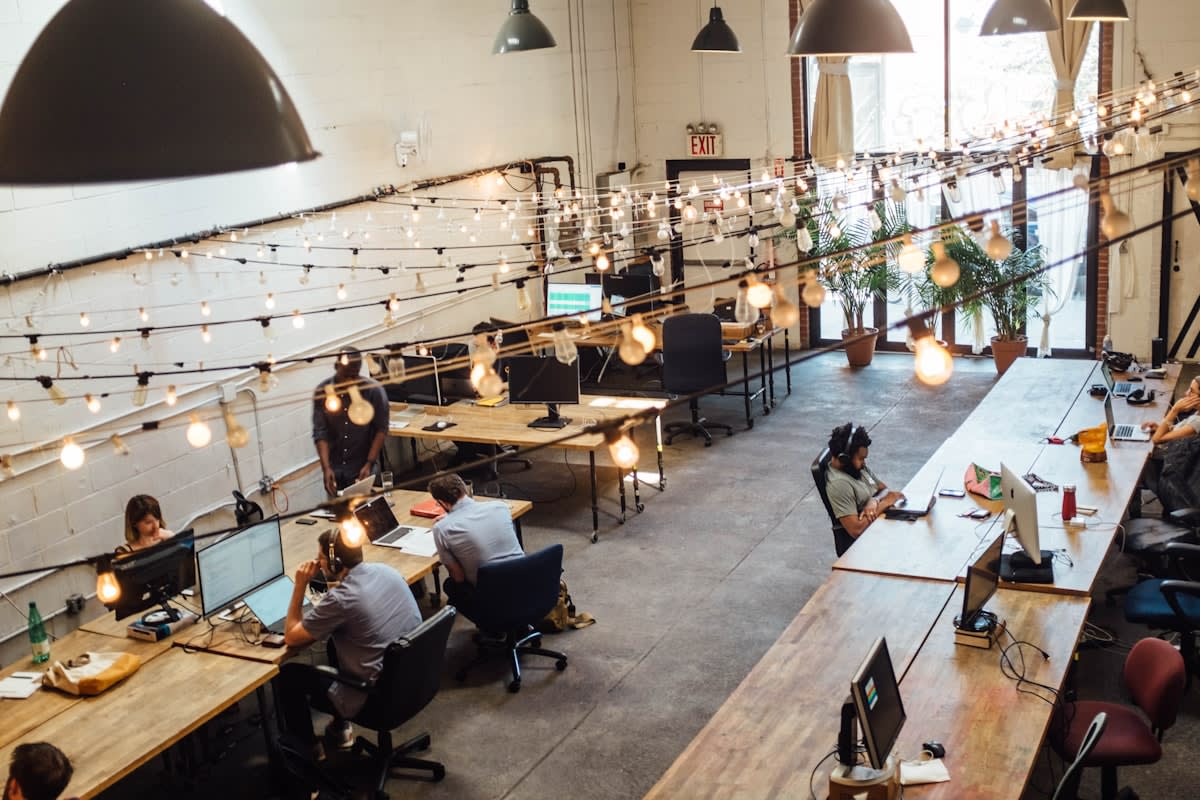
The 'fiefdoms' of the 21st century are not just geographic; they are infrastructural. Digital nomads rely on a highly specific ecosystem: flexible rental accommodations, coworking spaces, and remote-work-friendly cafés (Source: Flatio, 2026). These are the modern manors. The nomad is 'free' from the office, yet they are entirely dependent on a specialized set of services that cater specifically to their demographic.
| Feature | The 'Stealth' Nomad (Pre-2020) | The 'Institutional' Nomad (2026) |
|---|---|---|
| Legal Status | Tourist Visa (Grey Area) | Digital Nomad Visa (Sanctioned) |
| Economic Role | Invisible Consumer | Recognized Economic Contributor |
| Infrastructure | Public Cafes/Airbnbs | Managed Coworking/Coliving Hubs |
| Relationship to State | Avoidance | Contractual/Subscription |
When a city pivots its infrastructure toward international remote workers, it creates a service economy that exists solely to maintain the lifestyle of the mobile class. This shift is evident in the growing demand for flexible rentals and international communities (Source: Flatio, 2026). The local population becomes the support staff for the digital nobility, recreating a vassal-like relationship where the local economy's health is tied to the whims of a transient, high-earning population.

The Global Capital Migration
This is not merely a lifestyle choice; it is a strategic movement of capital. While North America captured 38.2% of the securities lending market share in 2025, the Asia-Pacific region is projected to grow at a 10.2% CAGR through 2031 (Source: Mordor Intelligence, 2026). As capital flows toward the Asia-Pacific, the digital nobility follows.
They do not just bring laptops; they bring purchasing power that dwarfs local wages. This creates micro-economies where the nomad is the primary consumer and the local is the primary provider. The result is a precarious resilience: the local economy grows, but it becomes fragile, dependent on a class of people who can leave at the first sign of a political shift or a cheaper destination.
Labor Organization in the Age of Mobility
Historically, labor responded to systemic shifts through organization. In the 19th century, the Knights of Labor sought the social and cultural uplift of the worker across borders, operating in the US, Canada, Great Britain, and Australia (Source: Wikipedia, 2026). They recognized that fragmented labor is weak labor. Today, however, the digital nomad is the ultimate fragmented worker.
The digital nomad is often a 'company of one,' isolated from traditional labor protections. Frequent relocation makes long-term social connections difficult and can create profound feelings of isolation (Source: Flatio, 2026). Without a modern 'Knights of Labor' for the remote era, these professionals remain vassals to the platforms they use and the visas they hold.
They are free from the cubicle, but they are bound to the infrastructure of the 'nomad hub.' If the coworking space closes or the visa laws change, they have no collective bargaining power. They have traded the corporate ladder for a golden cage of geographic independence, where the bars are made of high-speed Wi-Fi and residency permits.
Editorial Note
The 'feudal' metaphor used here refers to the shift from citizenship based on birth/loyalty to residency based on capital contribution and the creation of a service class designed to support a mobile elite. This is an analytical framework for understanding the socio-economic delta between 2020 and 2026.
Fact-Check & Accuracy Note
Key claims regarding Spanish visa distinctions are sourced from Klev&Vera (2026). Data on digital nomad economic impacts and social isolation are sourced from Flatio (2026). Market share and growth projections for the Asia-Pacific region are sourced from Mordor Intelligence (2026). Historical data on the Knights of Labor is sourced from Wikipedia (2026). The debate regarding 'economic contribution vs. cultural displacement' remains an ongoing sociological discussion without a settled consensus.