
The financial architecture of Eastern Europe is currently splitting into two divergent realities. On one side, the Eurozone continues to project a semblance of stability, with Morningstar suggesting that government bonds should remain steady anchors for portfolios well into 2026. On the other, the Russian Federation is experiencing a regression in its monetary velocity that defies modern economic norms. As of July 2026, the Russian economy is not merely slowing; it is reverting to a primitive, cash-based system that threatens the state's ability to fund its military ambitions.
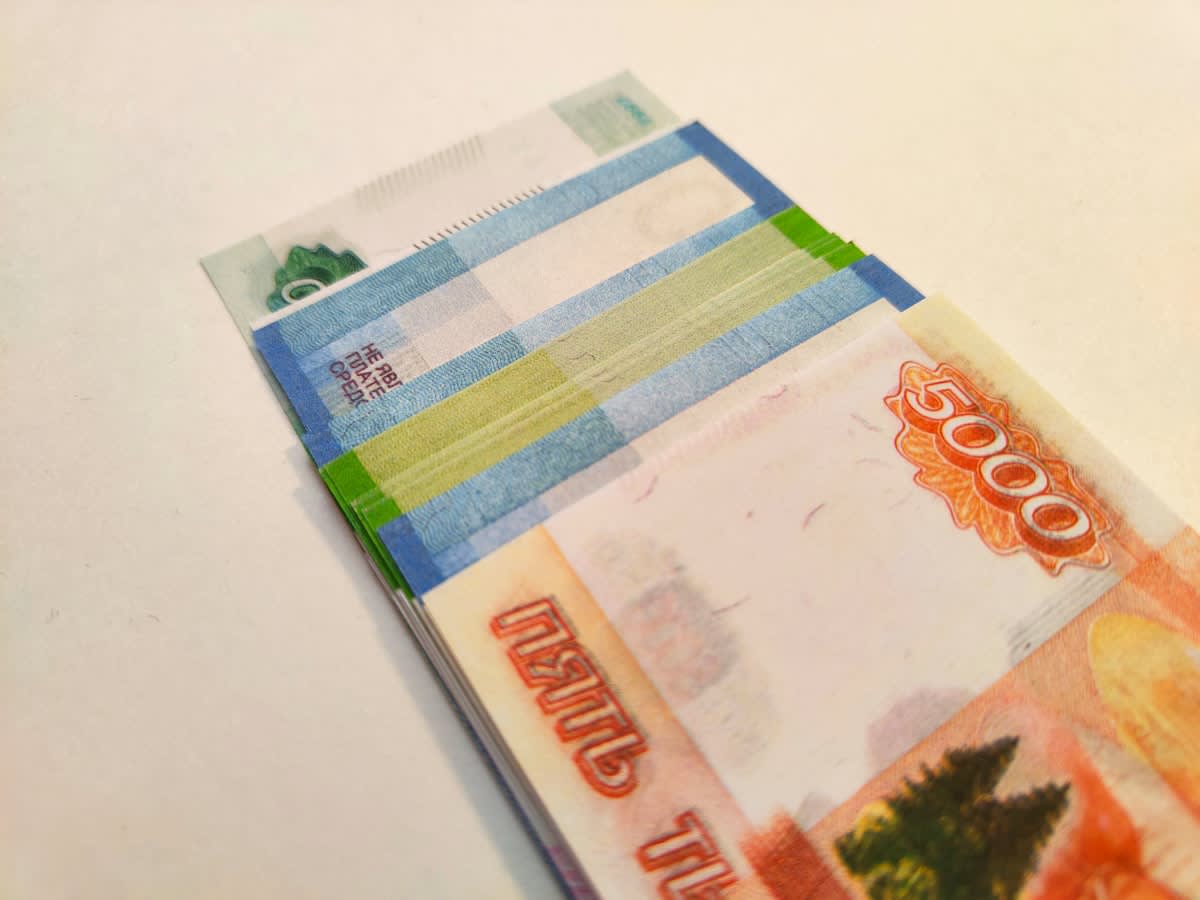
The scale of this regression is quantified by a massive spike in physical currency. According to Central Bank figures analyzed by the BBC, Russia has injected 1.56 trillion roubles—approximately 14.8 billion pounds or 20 billion dollars—into circulation since the start of the year. This represents the most significant increase in cash volume for an equivalent period since the height of the Covid-19 pandemic. This is not a planned monetary expansion but a desperate reaction to the failure of digital payment infrastructures under the pressure of ongoing conflict.
The Infrastructure of Instability
Why is a modern state suddenly drowning in paper money? The catalyst is a tactical feedback loop between Ukrainian drone attacks and the Kremlin's defensive responses. To counter these strikes, the Russian government has repeatedly shut down mobile internet across expansive regions of the country. These shutdowns have a cascading effect on the economy, rendering card payments impossible and forcing citizens and businesses to rely on cash for basic survival. When the network goes dark, the digital economy vanishes.
The Visibility Gap
The return to cash creates a critical visibility gap for the state. Digital transactions provide an immediate audit trail for tax collection; physical cash allows for total anonymity in a way that is catastrophic for a government facing a widening budget deficit.
This invisibility is being actively exploited by a business sector under immense financial strain. With the war in Ukraine entering its fourth year, more businesses are seeking to dodge taxes to maintain their margins. The transition to cash provides the perfect cover for this evasion. As the state loses its ability to track transactions in real-time, the tax base erodes precisely when the Kremlin needs every available rouble to sustain its wartime expenditures.
Russian Cash Injection (Jan-July 2026)
Executive Insight
+18.4%
YTD Growth
The Fiscal Paradox
There is a deceptive layer of strength in the Russian numbers. The oil and gas sector, which provides roughly a quarter of all state revenues, has seen a windfall due to rising oil prices following the Iran war. On paper, this should offset the losses from tax evasion and the slowing broader economy. However, the volatility of sovereign debt is driven by the underlying fragility of the non-energy sector, which is struggling to breathe under the weight of sanctions and wartime mobilization.
"The shift to cash is making it harder for the state to collect tax, just as it faces a widening budget deficit and needs every rouble it can raise to fund the war in Ukraine."— Yahoo Finance / BBC Analysis
This widening deficit creates a precarious loop for sovereign debt. To cover the gap, the state must either print more money—further fueling the cash surge—or find new ways to borrow from a shrinking pool of internal lenders. The broader economy is slowing, and the reliance on a single, volatile commodity like oil to plug the holes in the budget makes the entire fiscal structure susceptible to sudden shocks. The tension between energy profits and systemic economic decay is where the volatility resides.

The Eurozone Contrast
To understand the volatility in the East, one must look at the relative calm of the West. In December 2025, Morningstar analysts noted that despite rising public debt across the eurozone, government bonds were expected to continue providing stability into 2026. This stability is reinforced by the European Central Bank's (ECB) ongoing oversight, as detailed in their May 2026 Financial Stability Review. The Eurozone is dealing with debt as a policy challenge, whereas Russia is dealing with debt as a survival challenge.
| Metric | Eurozone (Projected 2026) | Russia (Current 2026) |
|---|---|---|
| Bond Outlook | Stable / Portfolio Anchor | Highly Volatile / Deficit Driven |
| Monetary Trend | Digital / Centralized | Cash Surge (1.56tn Roubles) |
| Fiscal Driver | Public Debt Management | Wartime Funding / Oil Dependency |
| Infrastructure | Integrated Digital Payments | Intermittent Internet Shutdowns |
The delta between these two regions has widened significantly over the last twelve months. A year ago, the conversation focused on inflation and interest rate pivots across the continent. Today, the conversation in Eastern Europe is about the physical availability of cash and the ability of a state to collect taxes in a blackout environment. The volatility is not just about numbers on a screen; it is about the physical breakdown of the mechanisms that make sovereign debt sustainable.
Ultimately, the volatility of Russian sovereign debt is a symptom of a state losing its grip on its own internal economy. When a government can no longer guarantee the functionality of its payment systems, it loses the ability to enforce its fiscal will. The reliance on oil prices to save the budget is a temporary shield, not a solution. As the broader economy continues to slow and tax evasion becomes the norm, the gap between the state's needs and its resources will only grow.