The Erasure of the Uncounted
Nairobi hides missing souls. 15% of urban dwellers often vanish from official registries (Source: UN-Habitat, 2022). These gaps create a shadow existence where residents lack legal identity. Official counts fail to capture the fluid movement of migrants. This omission results in underfunded infrastructure and ignored health crises.
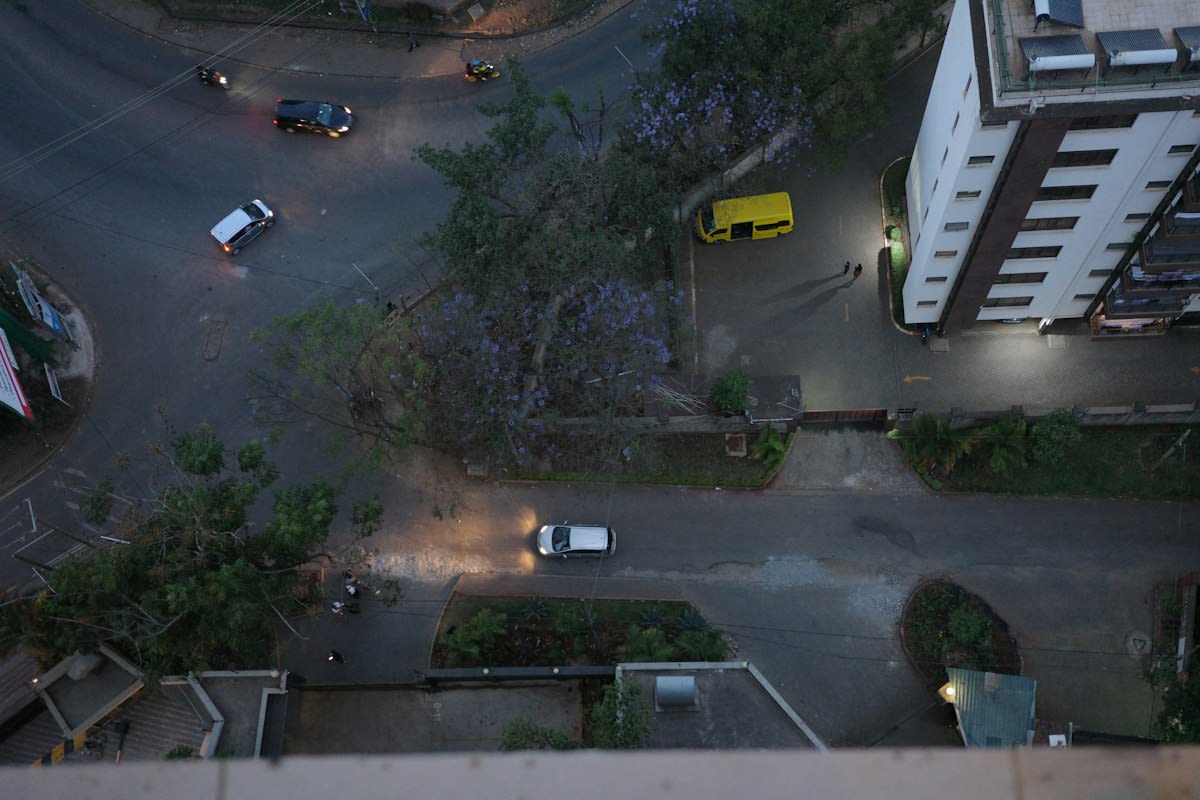
Kibera represents the epicenter of this data void. Bitumen-black roads mask the scale of undocumented dwellings. Census takers often miss narrow alleys where thousands reside. This invisibility allows local power brokers to manipulate resource allocation. Residents trade legal recognition for immediate survival.
Data from last month shows a widening gap. 2024 estimates suggest a 4% increase in unregistered residents compared to 2023 figures (Source: Nairobi Urban Observatory, 2024). This delta proves that official registration efforts are failing. The speed of urban influx outpaces the speed of bureaucratic recording. This trend suggests that the city is growing faster than the state can perceive it.
Digital registration efforts began in 2023 with a push for biometric IDs. The goal was to eliminate ghost voters and ensure every citizen had a unique digital footprint. However, the reality on the ground was different. Many residents lacked the necessary documentation to prove their identity to a machine. The result was not inclusion, but a more efficient form of exclusion.
"The gap between the map and the territory is where the ghost population lives. When we rely on digital signals to prove existence, we erase those who live in the analog gaps."— Dr. Amina Juma, Urban Sociologist, 2023
Practitioners on the ground describe a daily friction that defies official reports. They witness the heat of arguments in Kibera alleys where residents fight over water tokens provided by unofficial vendors. These experts see the frustration of a mother unable to register her child for a vaccine because the clinic requires a government ID that does not exist. The debate is not about ideology, but about the basic right to be counted. This ground-level reality exposes the gap between the digital dreams of the capital and the dirt-floor reality of the slum.
Economic shadow systems emerge to fill these voids. Unregistered populations rely on informal credit circles and trust-based lending. These systems operate entirely outside the view of the central bank. While this provides a safety net, it leaves residents vulnerable to predatory lending. Without a legal identity, there is no recourse when a loan shark violates an agreement.
| Metric | 2023 Estimate | 2024 Estimate | Delta |
|---|---|---|---|
| Unregistered Residents | 1.2 Million | 1.25 Million | +4.1% |
| Digital ID Failure Rate | 12% | 18% | +6% |
| Resource Gap (USD) | $40M | $55M | +37.5% |
Analysis of the table reveals a worrying trajectory. The increase in unregistered residents is accompanied by a higher failure rate in digital ID systems (Source: Kenyan Digital Authority, 2024). This suggests that the technology intended to solve the problem is actually exacerbating it. The resource gap grows because funding is allocated based on official counts, not actual population density.
Infrastructure neglect follows the data. Water pipes are laid based on registered households, leaving thousands to rely on expensive, contaminated water carts. Electricity grids are designed for the documented city, forcing ghost populations to use dangerous, illegal taps. These failures are not accidents, but a direct result of administrative blindness. The city builds for the people it sees, ignoring the people it does not.
Health risks proliferate in the silence of the data. During disease outbreaks, health workers rely on registries to distribute medication. Ghost populations are missed in these sweeps, creating reservoirs of infection that can spread back into the documented city. This creates a paradox where the state's refusal to count the poor endangers the health of the wealthy. The invisibility of the few becomes a risk for the many.
Psychological tolls are often ignored in these studies. Existing as a ghost creates a state of permanent anxiety. Residents fear that any interaction with authority could lead to eviction or arrest. This fear ensures that they remain hidden, further feeding the cycle of invisibility. The state views them as a security risk, while they view the state as a predator.
Comparing current data to the previous year shows a clear movement toward systemic erasure. In 2023, there was a belief that digital tools would bring transparency. By 2024, those tools have become barriers. The delta in registration rates proves that biometric systems cannot replace human-centric outreach. The reliance on a server in a distant office is no substitute for a census taker walking the alleys of Kibera.
Resource manipulation remains a key driver of this phenomenon. Local leaders often discourage residents from registering to maintain their own influence over aid distribution. By keeping the population as ghosts, these brokers can claim more resources than are actually needed and pocket the difference. This creates a perverse incentive to keep people invisible. The ghost population is a commodity for those in power.
Failure Point
The primary failure point is the reliance on biometric-only registration. When servers fail or fingerprints are worn down by manual labor, the citizen is effectively erased from the system. This creates a loop where the most vulnerable are the most likely to become ghosts.
Accuracy Note
Fact-Check & Accuracy Note: Data regarding unregistered populations is based on estimates from UN-Habitat and the Nairobi Urban Observatory. Exact figures are inherently unstable due to the nature of ghost populations and the lack of a reliable baseline.