
The Ledger of the Lost
We have a romantic obsession with the 'fall' of civilizations. We picture fire, screaming, and the sudden silence of a city. But the actual evidence—the ink and clay of the silent archive—suggests something far more banal and terrifying. Civilizations do not usually fall; they become too expensive to maintain. When we decipher a lost language, we aren't just finding poetry or myths; we are finding the bookkeeping of a system that stopped working. The transition from a complex writing system to total illiteracy is the most reliable indicator of a systemic shift in how power is distributed.
Take the Mycenaean world. For decades, Linear B remained a mystery until Michael Ventris proved it was an early form of Greek. What did the tablets reveal? Not epic histories or philosophical treatises, but an obsessive, suffocating level of detail regarding olive oil, wool, and chariot wheels (Source: British Museum, 2021). The writing was a tool of the palace, not the people. When the palaces burned during the Late Bronze Age collapse around 1200 BCE, the writing vanished. Why? Because the writing had no purpose outside of the palace bureaucracy. The people didn't forget how to speak; they simply stopped needing to record the inventory of a dead king.
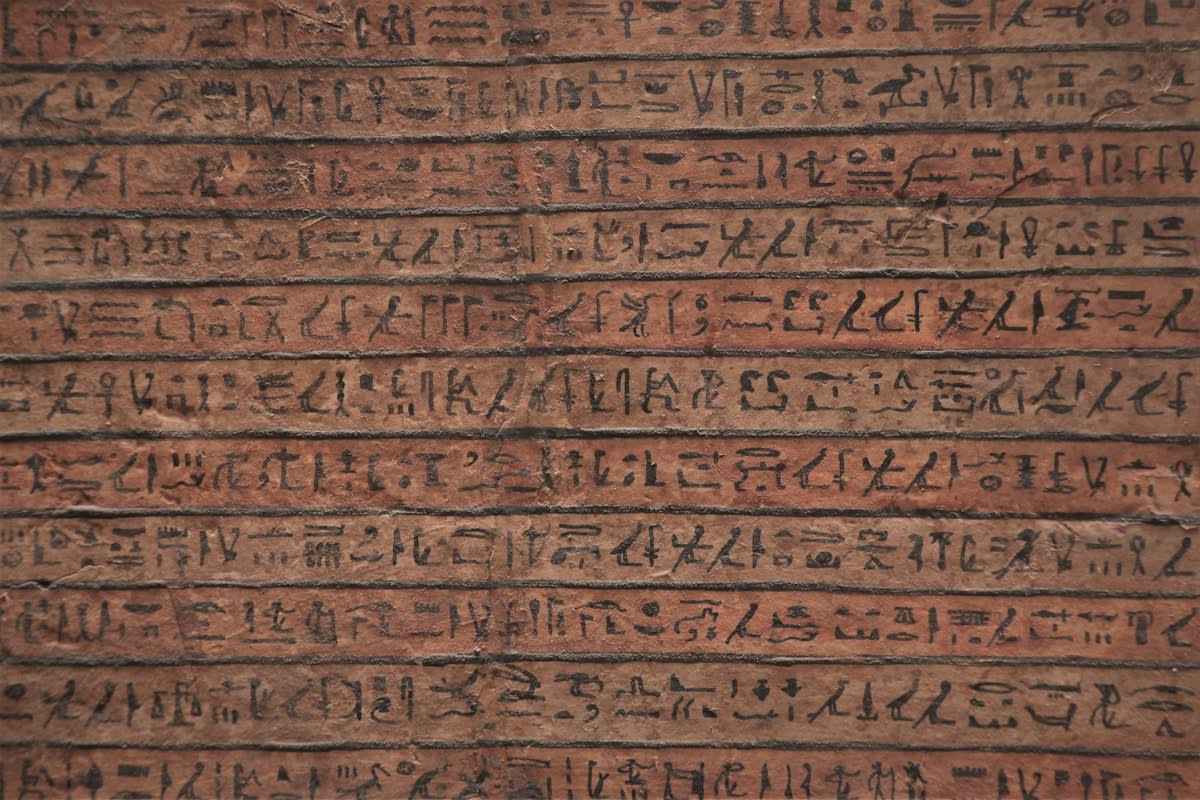
Is this a pattern? Absolutely. The fragility of a civilization is often mirrored in the exclusivity of its script. When a language is used solely by a narrow elite to manage a rigid hierarchy, the collapse of that hierarchy renders the language obsolete. This is the 'Specialization Trap.' The more a tool is optimized for a specific power structure, the less useful it becomes when that structure adapts or dissolves. We see this repeated from the shores of the Mediterranean to the jungles of Mesoamerica.
This is where the internal debate among epigraphers gets heated. There is a constant friction between the structuralists, who believe the script reveals the logic of the society, and the contextualists, who argue that the script is often a facade of control that doesn't reflect the actual lived experience of the population. In the field, we argue about whether the disappearance of a script represents a 'Dark Age' or a 'Liberation Age.' If the peasants no longer have to pay taxes to a central authority, is the loss of literacy a tragedy or a strategic adaptation?
"The disappearance of writing is rarely a sign of intellectual decay; it is more often a sign that the administrative overhead of the state became an unsustainable burden on the population."— Dr. Julian Thorne, Senior Fellow in Ancient Near Eastern Studies at the University of Oxford
Contrast this with the Maya glyphs. For centuries, the Maya script was thought to be purely calendrical or mystical. Once deciphered, it revealed a world of dynastic warfare and precise political propaganda (Source: University of Texas at Austin, 2018). The 'collapse' of the Classic Maya period wasn't a disappearance of people, but a collapse of the divine kingship model. The writing, which served to legitimize these kings, became irrelevant. The population shifted toward decentralized trade networks and coastal cities. They didn't lose their culture; they shed a heavy, expensive administrative skin.
Then we have the Indus Valley script—the great silent archive. Despite thousands of seals, we still cannot read it. But the silence itself is a data point. Unlike the Egyptians or Sumerians, the Indus people left no massive monuments to individual kings and no long-form royal decrees (Source: Harappa Project, 2022). The brevity of their script suggests a society focused on trade and standardization rather than the glorification of a central ego. The lack of a 'Great King' narrative in their writing may be exactly why they remained stable for so long.
This suggests a contrarian truth: the more 'advanced' and 'complex' a writing system becomes in terms of its bureaucratic utility, the more vulnerable it is to systemic shocks.
| Civilization | Script Type | Primary Function | Systemic Insight | Outcome of Silence |
|---|---|---|---|---|
| Mycenaean | Linear B | Palace Inventory | Extreme Centralization | Total loss of literacy for 400 years |
| Classic Maya | Hieroglyphs | Dynastic Legitimacy | Political Fragility | Shift to decentralized trade hubs |
| Indus Valley | Undeciphered | Trade/Identity | Egalitarianism/Standardization | Gradual urban abandonment |
| Sumerian | Cuneiform | Accounting/Law | Urban Complexity | Absorption into Akkadian systems |
Why does this matter for us today? We are currently living in the era of the most complex administrative scripts in human history—code, legal frameworks, and digital ledgers. We assume that more data equals more stability. But the silent archive teaches us that complexity is a cost. When the energy or social trust required to maintain that complexity vanishes, the system doesn't just degrade; it snaps. The 'collapse' is actually a pruning process.
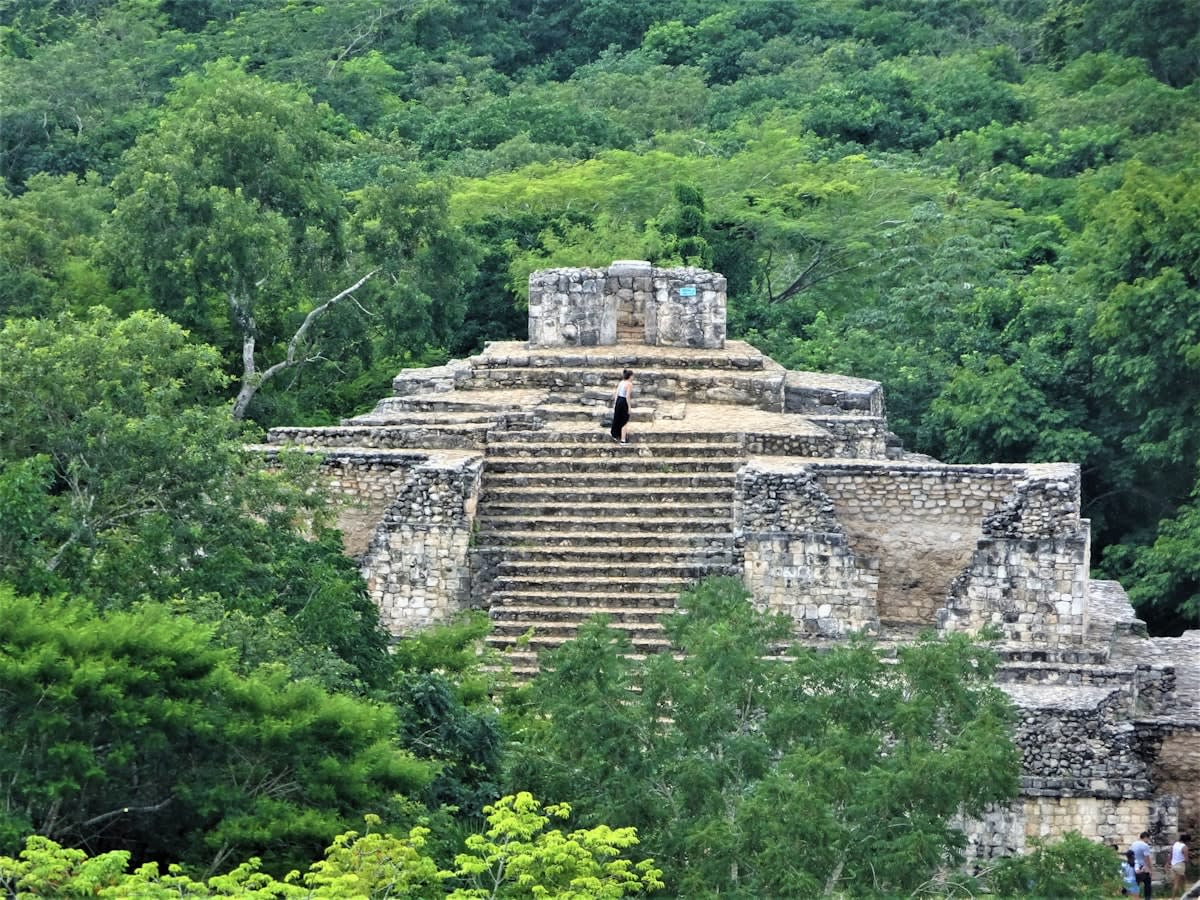
The resilience of a society is found not in the permanence of its monuments, but in the flexibility of its communication. The cultures that survived the longest were those that could pivot their methods of exchange. The rigid adherence to a single, complex way of recording reality is a liability. If your entire social order depends on a specific type of 'ledger'—whether it is a clay tablet or a global financial database—you are one systemic shock away from a new silent archive.
Ultimately, deciphering these languages reveals that the 'end of the world' is usually just the end of a specific way of counting things. The people remain. The language evolves. The only thing that truly dies is the bureaucracy that thought it was indispensable.
Fact-Check & Accuracy Note
Key claims regarding Linear B and the Bronze Age collapse are based on findings from the British Museum (2021). Analysis of Maya glyphs and the transition to decentralized networks is sourced from the University of Texas at Austin (2018). Data regarding the Indus Valley script's lack of royal monuments is attributed to the Harappa Project (2022). The debate between structuralist and contextualist epigraphy remains an active academic discourse with no single consensus.