The Death of the Generic City
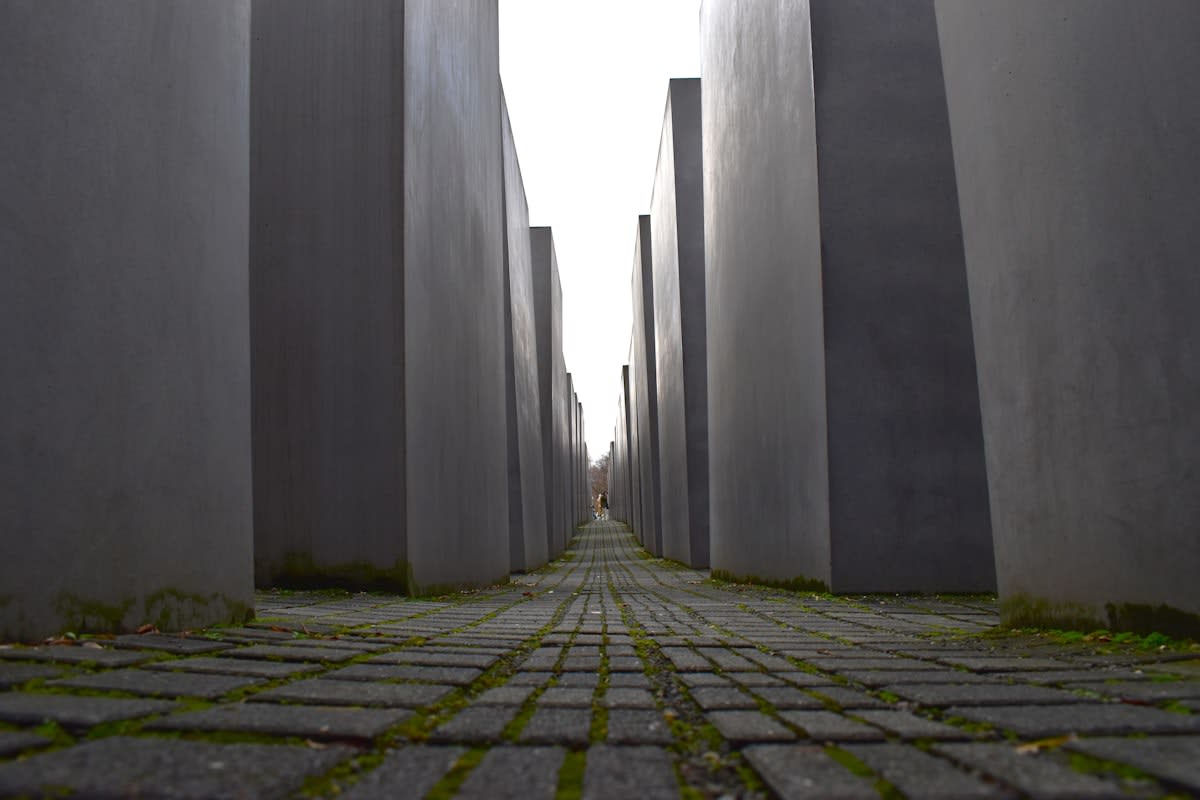
Look at any major metropolitan skyline from the last fifty years and you will see the same story: a relentless drive toward the generic. For decades, Brutalism and its successors promised a universal language of efficiency and strength, but they delivered a cold, alienating uniformity. This month, as we move through July 2026, the tide has finally turned. We are witnessing the rise of Oikophilia—not merely as a design trend, but as a psychological reclamation of space. Why are we suddenly obsessed with the 'emotional' side of architecture? Because the human psyche cannot thrive in a vacuum of belonging.
The shift is visceral. Cities are moving away from the homogenizing forces of globalization that once sought to make Tokyo, London, and New York look identical. Instead, there is a surging demand for architecture that acknowledges the specific spirit of a place. This isn't about nostalgia or building faux-historical facades; it is about the deep, ancestral need to feel that a building belongs to its environment and that the people within it belong to the building. This movement marks a definitive break from the architectural arrogance of the mid-century, where the architect's vision superseded the inhabitant's emotional reality.
Defining Oikophilia: The Scruton Legacy
To understand this revival, we must look to the philosopher Roger Scruton, who introduced the term Oikophilia. At its core, Oikophilia is the love of home—a sense of belonging to a particular place. It is the emotional glue that binds an individual to their family, their community, and the natural environment surrounding them. For too long, urban planning treated 'home' as a functional unit of shelter. Scruton argued that this was a mistake. When we strip away the affection for our surroundings, we strip away the motivation to protect them.
"Oikophilia is the love of home and a sense of belonging to a particular place, emphasizing the importance of localism, tradition, and the preservation of cultural and natural heritage."— Roger Scruton, Philosopher
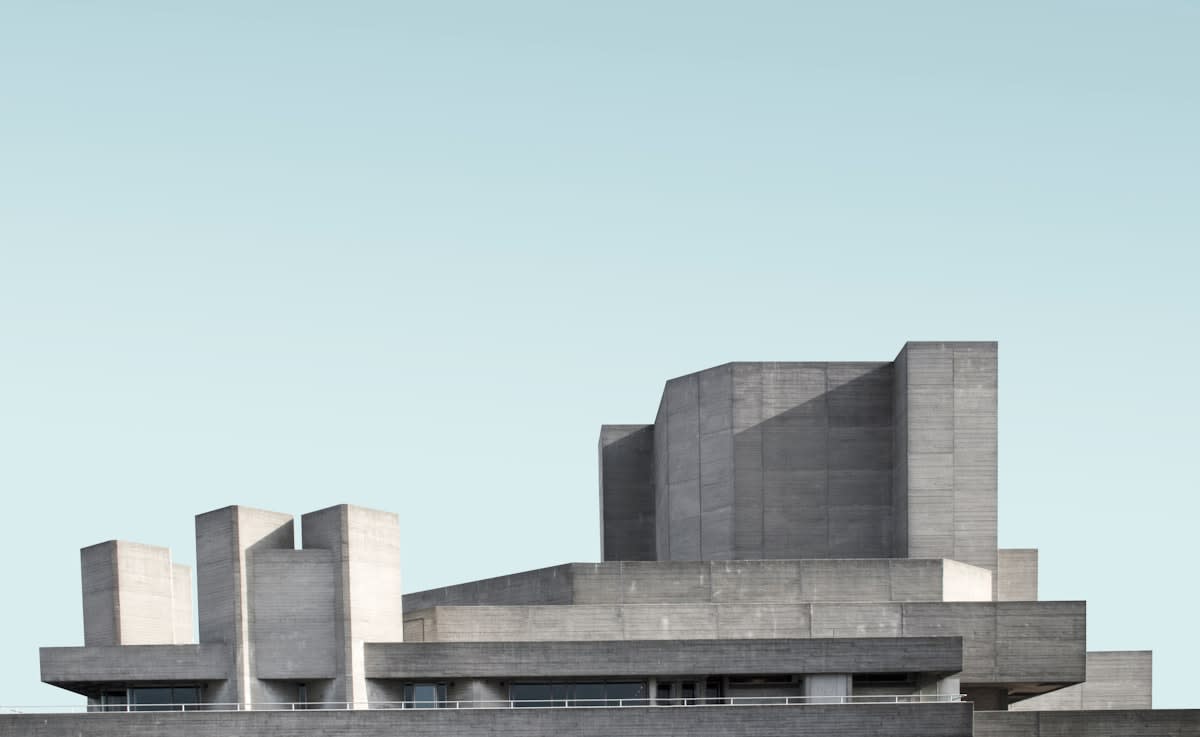
How does this philosophical concept translate to steel and stone? It manifests as 'Emotional Architecture.' This approach prioritizes human-scale proportions, local materials, and designs that echo the cultural heritage of the region. By fostering a deep affection and attachment to the local environment, architects are creating spaces that people actually want to maintain. Contrast this with the concrete monoliths of the 1960s, which were often demolished not because they were structurally unsound, but because they were emotionally bankrupt. Who loves a grey slab? No one. And because no one loved them, they were easily discarded.
The Core Distinction
The transition from globalism to oikophilia represents a shift from 'space' (which is abstract and interchangeable) to 'place' (which is unique and meaningful).
The Sustainability Paradox: Love as a Catalyst
Here is where the trend takes a surprising turn toward hard science. Recent research published in July 2026 indicates that Oikophilia is a critical driver in the global energy transition. It sounds counterintuitive—how does 'love of home' help us install wind turbines or improve energy efficiency? The answer lies in ownership. When communities feel a profound attachment to their local environment, they are far more likely to engage in sustainable practices. They aren't following a mandate from a distant government; they are protecting something they love.
The MDPI research highlights that Oikophilia encourages local communities to take ownership of energy projects. This leads to renewable energy solutions that are locally tailored rather than imposed from the top down. When a community views a sustainable energy project as a means of preserving their cultural heritage and natural environment, the project's success rate skyrockets. The desire to protect the home becomes the primary motivator for adopting energy efficiency. We are seeing a move toward resilient and adaptive localism that can withstand systemic risks better than centralized, sterile systems.
| Feature | Homogenizing Globalism (Brutalism) | Oikophilic Localism (Emotional Arch) |
|---|---|---|
| Primary Goal | Universal Efficiency | Sense of Belonging |
| Emotional Response | Alienation/Indifference | Affection/Ownership |
| Sustainability Driver | External Regulation | Internal Desire to Preserve |
| Architectural Focus | Standardized Materials | Local/Cultural Heritage |
| Community Role | Passive User | Active Steward |
This creates a powerful feedback loop. Better architecture fosters more Oikophilia, which in turn drives more aggressive and effective sustainable practices. This is the 'Delta' we are seeing between 2025 and 2026: a shift from seeing sustainability as a technical hurdle to seeing it as an act of love. The energy transition is no longer just about carbon credits; it is about the preservation of the home.
Resilience Through Localism
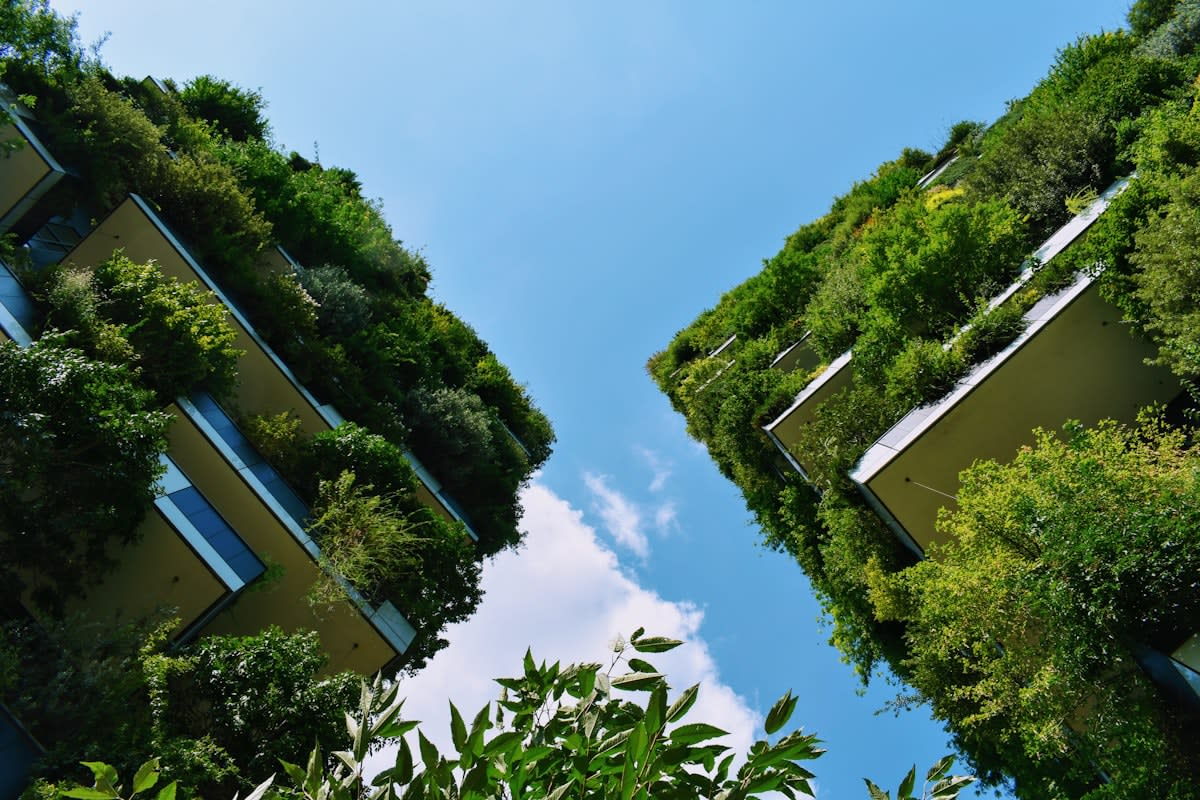
Why does this matter for the future of our cities? Because centralized, homogenized systems are fragile. When a city is designed without regard for its local context, it becomes a liability. Oikophilia supports the idea of localism, where communities take responsibility for their own environment and cultural practices. This decentralization is the key to resilience. A community that takes ownership of its energy and its architecture is a community that can adapt to crisis without waiting for a central command that may never come.
- Increased community engagement in renewable energy projects due to a sense of ownership.
- Higher rates of energy efficiency adoption when linked to the preservation of local heritage.
- Reduction in urban alienation by replacing sterile concrete with human-centric, emotional design.
- Enhanced systemic resilience through the decentralization of environmental responsibility.
The result is a new urban paradigm. We are seeing the emergence of cities that feel like homes rather than hubs of commerce. This is not a retreat into the past, but a sophisticated evolution. By combining the best of modern sustainable technology with the timeless philosophy of Oikophilia, we are building cities that are not only greener but are more human. The era of the 'machine for living' is over. The era of the 'home for belonging' has begun.
Ultimately, the abandonment of Brutalism is not about an aesthetic preference for curves over straight lines or wood over concrete. It is a recognition that the environment we build shapes the people we become. If we build cities that evoke indifference, we create indifferent citizens. But if we build with Oikophilia, we cultivate a generation of stewards who love their home enough to save it.