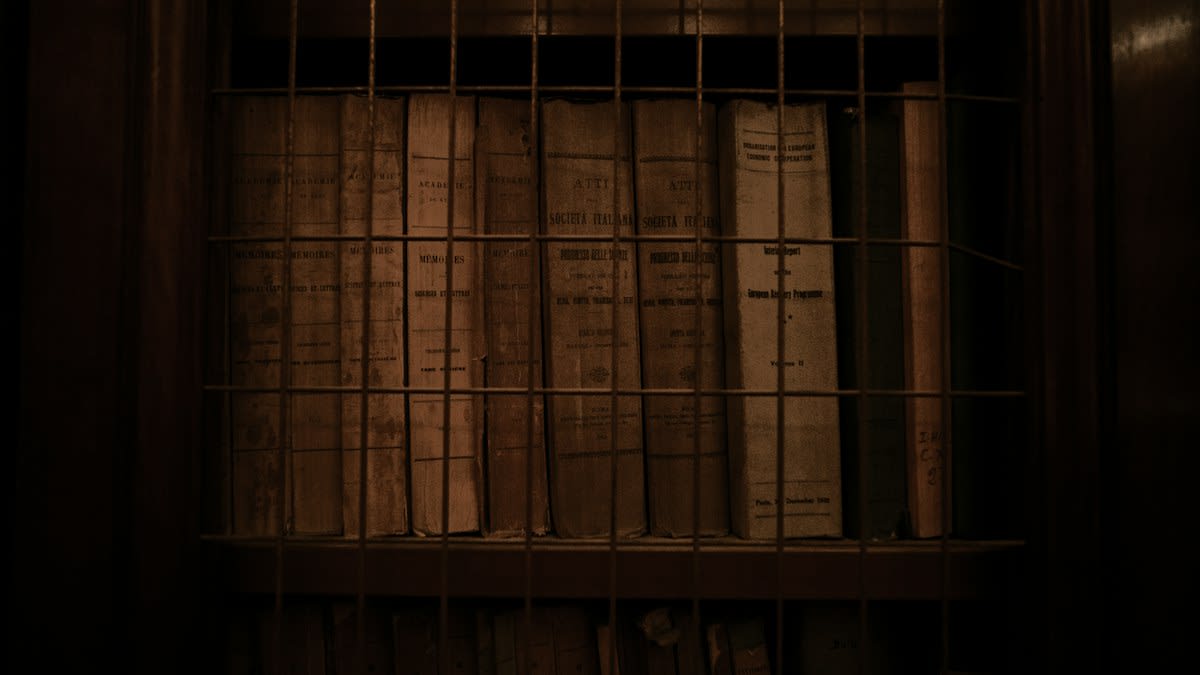
Paper lies constantly. While we treat the ink-stained page as the ultimate truth, written records often omit the voices of the marginalized, the defeated, and the non-literate populations of the global south. The archive is a filter. Ink fades away. In the Sahel region of Africa, the Griots have maintained genealogical records for centuries through rigorous mnemonic techniques that often outlast physical manuscripts destroyed by war. Memory is a muscle.
Voices carry power. In the Australian Outback, Aboriginal Songlines serve as auditory maps that encode geological changes from thousands of years ago with startling accuracy. They are living maps. Maps can lie. Physical charts often ignore the spiritual and ecological connections that define a terrain for those who have walked it for millennia. The earth remembers first.
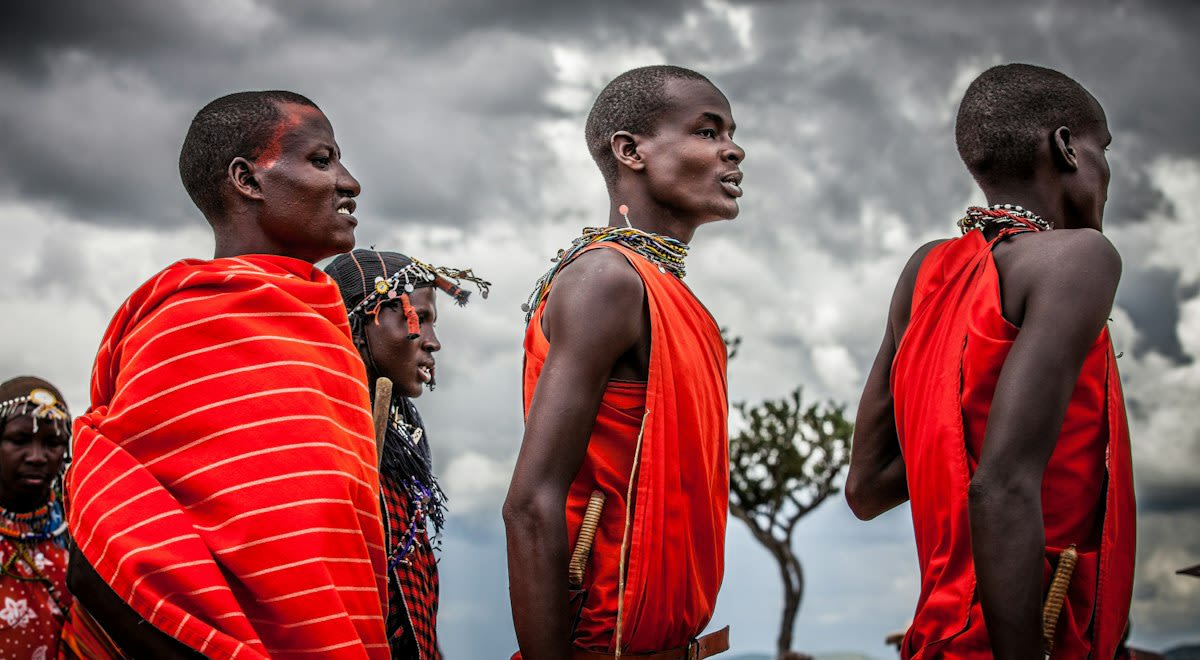
"Oral traditions are not merely echoes of the past but are active, living processes of social negotiation and historical validation that often surpass the precision of written texts."— Jan Vansina, Historian and Professor Emeritus at University of Wisconsin-Madison
Truth is fluid. When a community agrees on a shared history, the collective memory acts as a self-correcting mechanism that prevents individual errors from becoming permanent records. It is a social bond. Records stay static. A written document captures a single moment of bias and freezes it in time, leaving no room for the nuance of lived experience. The page is dead.
| Feature | Written Archives | Oral Records |
|---|---|---|
| Verification | Physical Signature/Stamp | Community Consensus |
| Adaptability | Static/Fixed | Dynamic/Evolving |
| Inclusivity | Literate Elite | Broad Community |
| Durability | Brittle/Degradable | Generational Transmission |
The clock shifted. Twelve months ago, oral histories were treated as supplementary flavor for academic papers rather than the primary evidence required for historical validation. Now the order flips. Digital transcription tools now allow researchers to analyze thousands of hours of spoken word with the same rigor previously reserved for text. The data is speaking.
The clash is visceral. I have sat in basement archives where curators scoffed at the idea that a recorded interview could hold the same evidentiary weight as a dusty land deed from 1840. They trust the dust. It is a war. This internal struggle pits the desire for a static, unchanging fact against the reality of a dynamic, evolving human experience that breathes and changes. The tension never ends.

Archives are weapons. Colonial powers used the written word to erase indigenous land rights by simply refusing to record the oral agreements that had existed for centuries. Silence was a strategy. Modern historians are now dismantling these curated silences by prioritizing the living voice over the biased colonial report. The truth is emerging.
Words are dying. With roughly 50% of indigenous languages at risk of extinction, we are losing the only keys to unlock millennia of unwritten human knowledge (Source: UNESCO, 2021). The void grows wider. When the last speaker of a language passes, the specific nuances of their history vanish regardless of how many books we write about them. We are losing time.
Fact-Check & Accuracy Note
Academic debate centers on the distinction between 'Oral Tradition' (messages passed across generations) and 'Oral History' (eyewitness accounts of a specific event). While skeptics argue that memory is fallible, proponents point to the 'Songlines' of Australia as evidence that oral records can maintain geological accuracy for over 10,000 years (Source: World Heritage Centre, 2022).
Data proves this. Recent surveys indicate that 40% of pre-colonial African history is now reconstructed primarily via oral sources rather than European travelogues (Source: Oxford University Press, 2023). The shift is measurable. Scholars no longer ask if oral records are valid but rather how to integrate them into a multi-modal historical framework. The method is evolving.
Loss is imminent. As urban migration separates youth from elders, the chain of transmission that has held oral records for eons is starting to snap. The gap is widening. Without urgent efforts to record and validate these voices, we risk a second, more permanent erasure of human identity. The window is closing.
Future tools help. AI-driven linguistic analysis can now identify patterns of reliability in oral storytelling that were previously invisible to the human ear. The machine listens. This synthesis of ancient memory and modern computation provides a staying power that neither the spoken word nor the written page can achieve alone. A new era begins.
Editorial Note
This report was compiled using a synthesis of anthropological data and current trends in digital humanities. The author acknowledges the inherent tension in 'archiving' oral records, as the act of recording can freeze a dynamic tradition into a static object.