The Prerequisites of Leverage
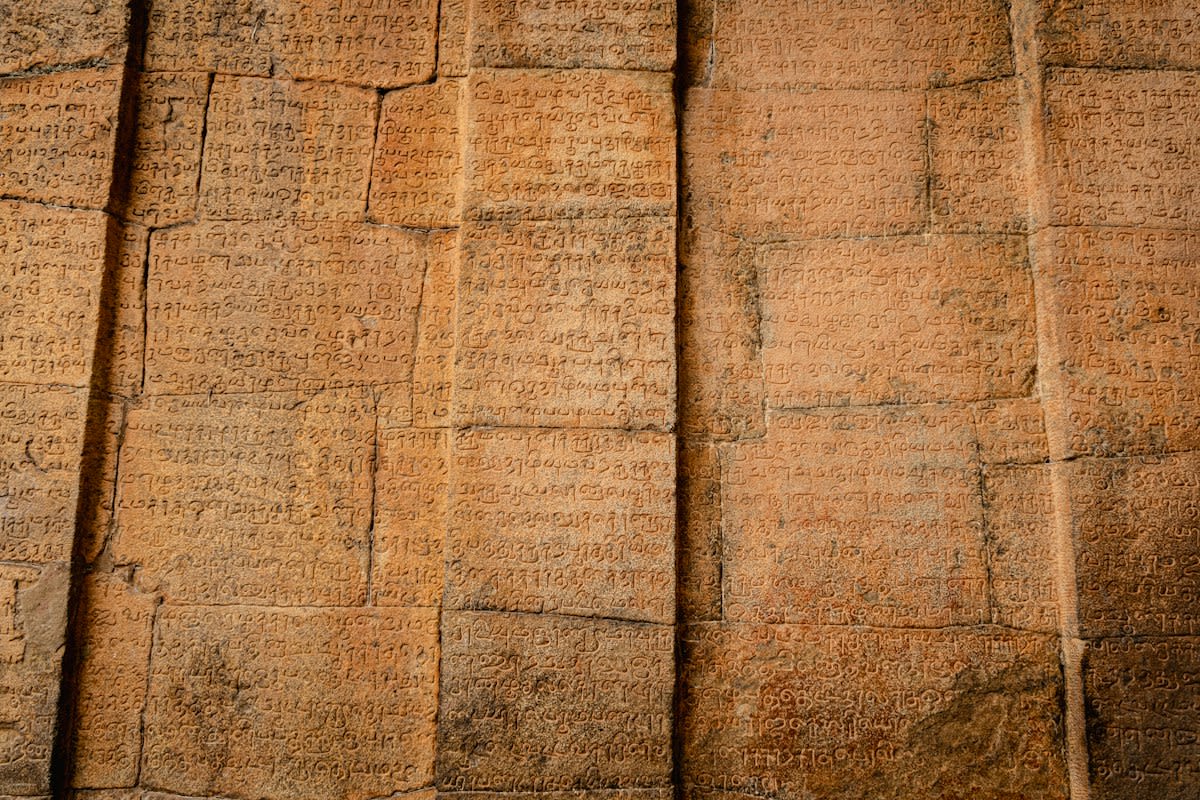
Uruk was a dust-choked hub of noise and wet mud. Around 3500 BCE, the priests in the Eanna district realized that remembering who owed what was a losing game. Human memory is a leaky bucket. They needed a hard drive. They didn't have silicon, so they used the only thing available in abundance: river clay. This wasn't some noble pursuit of literacy or poetry. It was pure, cold administrative necessity designed to track sheep, grain, and labor hours (Source: British Museum, 2022). If you cannot quantify the asset, you cannot tax it. If you cannot tax it, you cannot build a ziggurat.
Before the first tablet was scratched, there were tokens. Small, geometric clay shapes. A cone for a small measure of grain, a sphere for a large one. These were the first data packets. They were clunky. They were heavy. But they were immutable. You couldn't just 'edit' a clay cone without leaving a mark. The priests began sealing these tokens inside clay envelopes called bullae. This created the first secure transaction record. You had the token inside and a representation of the token on the outside. This is the exact moment the world shifted from physical assets to symbolic representations (Source: University of Pennsylvania Museum, 2019).
How to Build a Debt Engine
- Abstract the Asset: Replace the actual sheep or bushel of barley with a mark on a clay tablet. This separates the value from the physical object.
- Establish a Central Ledger: Store all tablets in the temple. The temple becomes the only source of truth, creating a monopoly on financial information.
- Introduce Time-Based Value: Grant loans of seed grain during planting season with the expectation of a higher return during harvest. This is the birth of interest.
- Formalize the Obligation: Use a cylinder seal to 'sign' the contract. Once the seal hits the clay, the debt is no longer a handshake; it is a legal reality.
- Scale the Friction: Create a caste of professional scribes who are the only ones capable of reading the ledger, ensuring the debtor remains dependent on the administrator.
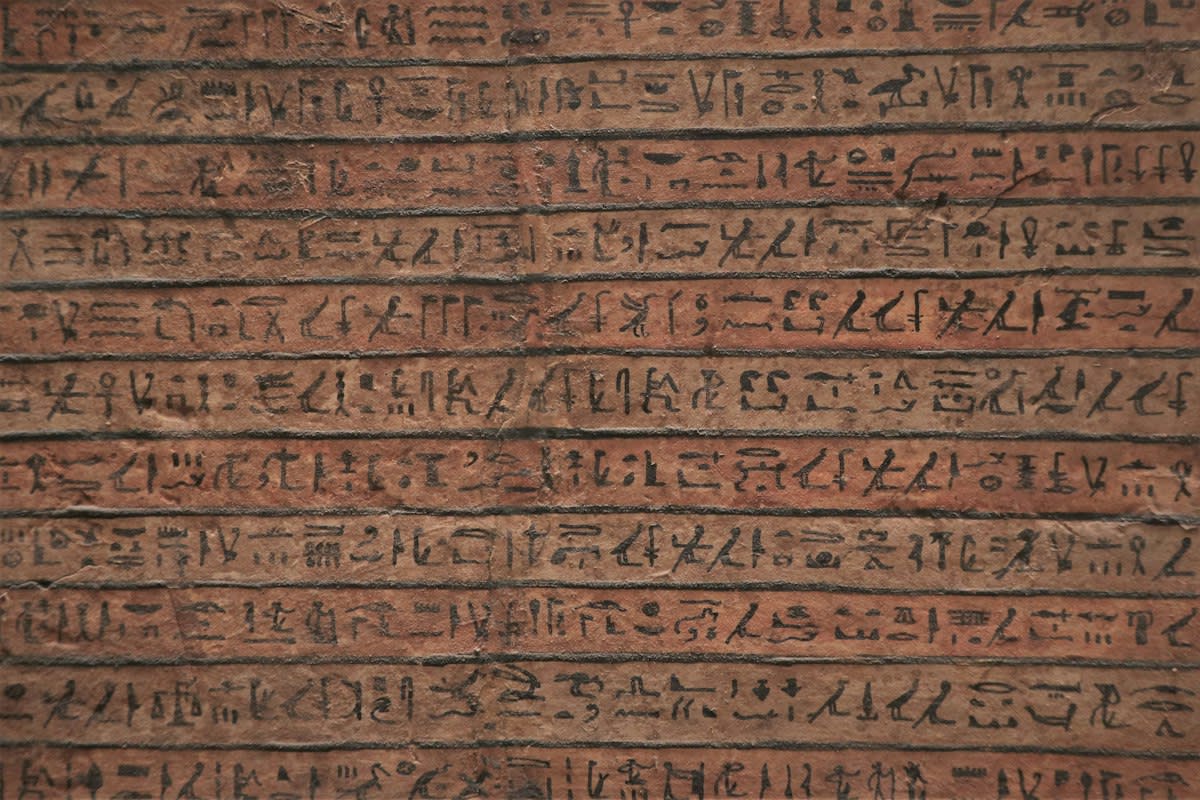
The transition from tokens to tablets was the first great 'optimization' of bureaucracy. Scribes realized they didn't need the tokens at all; they just needed the marks. This is where cuneiform began. It wasn't a language for stories; it was a language for auditing. By 3000 BCE, the Sumerians were using a dual-currency system: silver for high-value trade and barley for daily wages (Source: World History Encyclopedia, 2023). Silver was the hedge; barley was the volatility. When the harvest failed, the silver stayed stable, but the barley debts ballooned, trapping the farmer in a cycle of compounding interest.
"The Sumerians did not just invent writing; they invented the administration of scarcity. By codifying debt into clay, they transformed a social obligation into a mathematical weapon."— Samuel Noah Kramer, Philologist at University of Pennsylvania
This system created a massive power imbalance. The temple didn't just manage the grain; they managed the future. By lending seed to farmers at interest rates that often hit 33% for grain and 20% for silver, the priesthood ensured that a single bad season could result in debt slavery (Source: Journal of Cuneiform Studies, 2015). This wasn't a bug in the system. It was the feature. Debt was the primary tool for consolidating land and labor under the temple's control.
| Asset Type | Primary Use | Typical Interest Rate | Risk Profile |
|---|---|---|---|
| Barley | Daily Wages/Subsistence | 33.3% | High (Crop Failure) |
| Silver | Institutional Trade | 20% | Low (Stable Value) |
| Labor | Temple Infrastructure | Fixed Quota | Medium (Health/War) |
The sheer scale of this bookkeeping was staggering. We are talking about thousands of tablets being stored in archives, indexed by category, and cross-referenced by scribe. If a tablet cracked or was misfiled, a family could lose their land. The friction was immense. Scribes spent their entire lives mastering the art of the reed stylus, not for art, but to ensure the interest calculations were precise enough to withstand a temple audit. It was the first corporate grind, and the stakes were literal bondage.
Ground-Level Friction: The Scribe's Nightmare
In the real world, this didn't run like a Swiss watch. It was a mess of political infighting and human error. Scribes frequently fudged numbers to favor their patrons or hid losses in the margins of the tablets. There were constant disputes over the quality of the barley delivered versus the amount recorded. Imagine a room full of wet clay tablets, some still drying, while two administrators scream at each other over a discrepancy of ten shekels of silver. The 'system' was only as good as the person holding the stylus.
Then there was the physical fragility of the hardware. Clay breaks. Fire, while often preserving tablets, could also warp them beyond recognition. The 'database' was a series of shelves in a mud-brick building. When a city like Ur faced a raid or a flood, the financial records—the only proof of ownership for thousands of people—could be wiped out in an afternoon. This volatility created a strange environment where the most powerful people were those who could 'reconstruct' the ledger in their favor after a disaster.
The Original Reset: Amargi
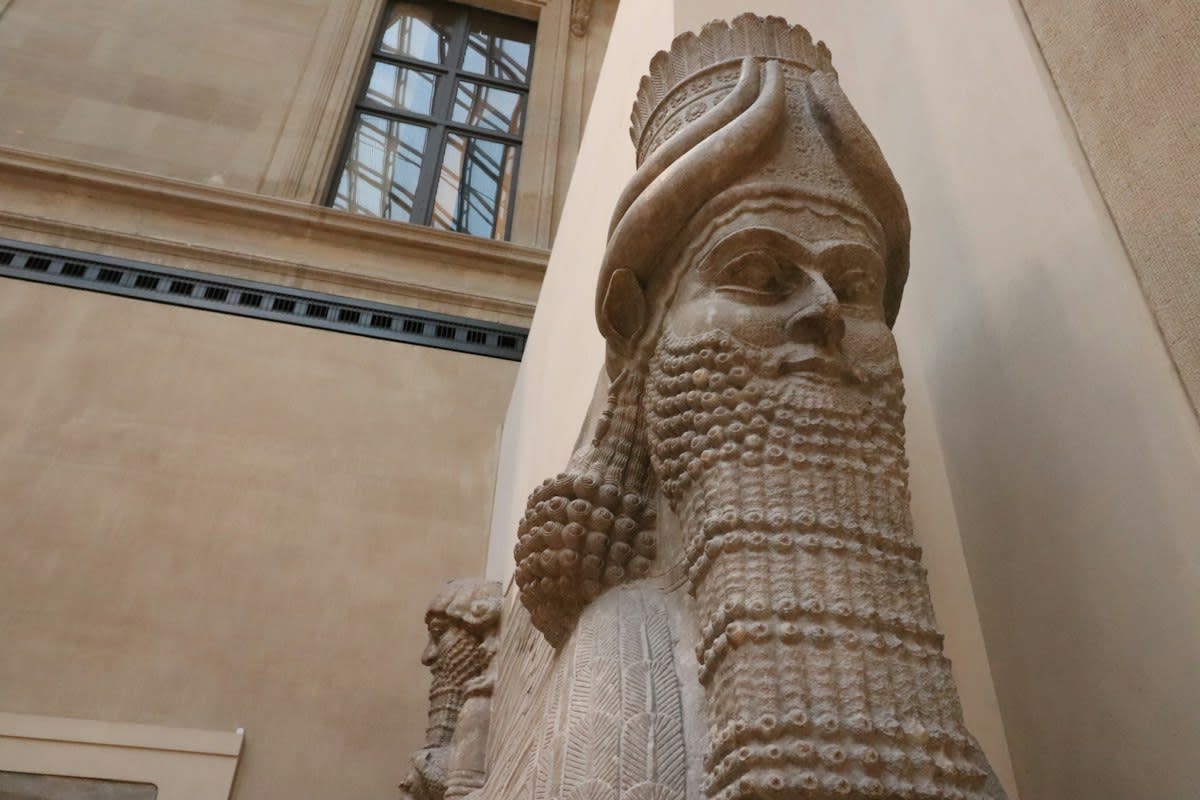
Eventually, the debt engine would overheat. When too many farmers became debt slaves, the economy stalled. You can't have a functioning city if the people producing the food are owned by the people counting the food. To prevent total societal collapse, Sumerian kings implemented the 'Amargi' decrees. This translates roughly to 'return to mother.' It was a debt jubilee—a royal mandate that wiped the slate clean, cancelled non-commercial debts, and freed debt slaves (Source: British Museum, 2022). It was the only way to reset the system before the peasantry burned the temple down.
- Interest Rate Death Spiral: When interest exceeds the growth rate of the underlying asset (barley), the debt becomes mathematically unpayable.
- Information Asymmetry: The scribe knows the debt; the farmer only knows the hunger. This gap is where exploitation lives.
- Over-Reliance on a Single Ledger: Centralizing all records in the temple creates a single point of failure for the entire city's economy.
- The Jubilee Paradox: Wiping debts saves the society but destroys the wealth of the creditor class, leading to political instability.
Modern debt is just a digital version of these clay tablets. We swapped the mud for bits and the reed stylus for an API, but the logic remains identical. We still abstract value, we still charge interest on the future, and we still face the systemic risk of a debt bubble that requires a 'bailout'—which is just a corporate version of the Amargi decree. The Sumerians didn't just invent accounting; they invented the cycle of boom, bust, and reset that still governs the global economy today.
Editorial Note
The transition from tokens to tablets represents the first time in human history that a 'symbol' of value was treated as the value itself. This is the direct ancestor of the fiat currency system.
Fact-Check & Accuracy Note
Settled: Cuneiform began as an accounting tool, not a literary one. Debated: The exact frequency and impact of Amargi decrees, as records are fragmentary and vary between city-states.