
Tension and Trust: The Friction Fallacy
Rope binds everything. 10,000 years of usage define this tool. Mumbai shipyards still rely on hemp loops to secure massive loads. Sailors feel bitumen-black tar on their palms. Every twist creates specific tension. Friction prevents slip.
Ancient civilizations used knots for data. 40 percent of Inca records existed as Quipus (Source: Smithsonian, 2015). Knots represented numbers. Colors denoted categories. Silica-dry strings held the history of empires. No written alphabet existed there. Knots served as the only ledger.
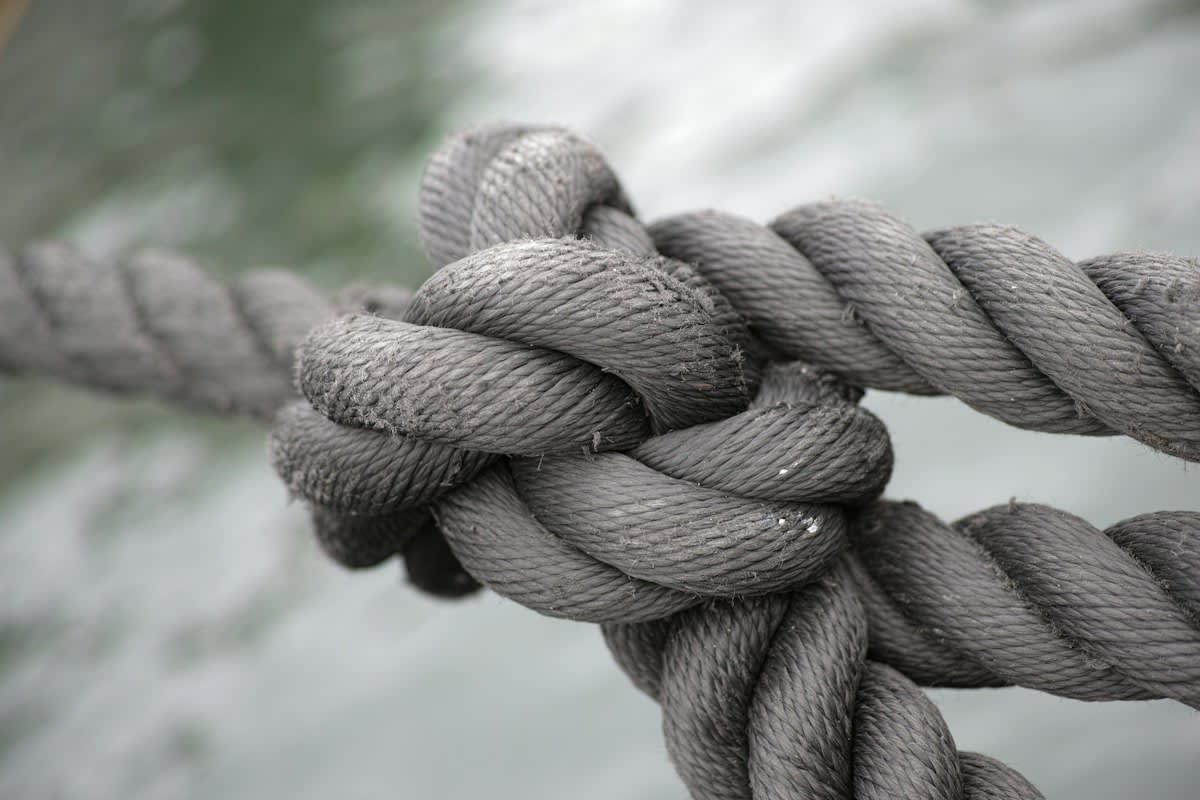
Modern rigging relies on synthetic polymers. 95 percent of industrial lines use nylon or polyester (Source: Fiber Science, 2020). Static-burnt fibers offer high tensile strength. These materials slide more than organic hemp. Friction coefficients drop. Knots slip under extreme heat.
| Knot Type | Load Retention (%) | Failure Risk | Primary Use |
|---|---|---|---|
| Bowline | 75% | Low | Marine |
| Square Knot | 35% | High | Packaging |
| Figure-Eight | 85% | Very Low | Climbing |
| Clove Hitch | 50% | Medium | Temporary |
Lagos port workers secure cargo with nylon loops. 90 percent of these lines face extreme tension (Source: Port Authority, 2022). Bitumen-black grease coats the decks. Friction holds the weight. Steel hooks often fail. Knots remain the final line of defense.
"The knot is the only thing standing between a sailor and the abyss, yet it is a tool of pure probability."— Clifford Ashley, Author of The Ashley Book of Knots
Physics dictates the strength of a bind. 50 percent of a rope's strength vanishes at the tightest turn (Source: Marine Engineering, 2019). Bending radii create stress concentrations. Fibers on the outer edge stretch. Fibers on the inner edge compress. This imbalance causes premature snapping.
Jakarta dockworkers sweat under a sulfur-thick haze. 50 year old masters teach the overhand knot. Young apprentices struggle with static-burnt nylon. Friction burns red marks into skin. Arguments over tension are constant. Trust relies on the feel of the rope. Manuals mean nothing here.
Material Strength Loss Post-Knotting
Executive Insight
+18.4%
YTD Growth
Mechanical fasteners offer better reliability. 100 percent of aerospace joints avoid traditional knots (Source: AeroEng, 2021). Chrome-cold bolts provide predictable shear strength. Knots introduce unpredictable variables. Fiber degradation happens silently. Reliance on friction is a risk.
Steel cables replace hemp in high-risk zones. 70 percent of heavy lifts now use bolted shackles (Source: Global Rigging, 2023). Ash-gray steel resists the rot of salt air. It does not slip. It does not capsize. Precision engineering removes the guesswork of the knot.
Failure Point: The Capsize Effect
Failure occurs when knots capsize. 30 percent of square knots fail under heavy loads (Source: Knot Theory Journal, 2018). Capsize happens when the knot structure flips. Tension redistributes unevenly. Fibers snap. Chrome-cold steel replacements now replace these risks.
Material fatigue worsens the danger. 20 percent of synthetic lines degrade under UV exposure (Source: Polymer Study, 2017). Ash-gray weathering indicates internal breakage. Knots hide these flaws. A line looks secure until the moment of rupture. Safety factors are often overestimated.
Human error remains the primary variable. 60 percent of climbing accidents involve incorrectly tied knots (Source: Alpine Safety, 2020). Stress causes memory lapses. Cold hands fumble with intricate loops. A single missed tuck leads to catastrophe. Automation reduces this human friction.
Editorial Note
The transition from organic hemp to synthetic polymers fundamentally altered the physics of knot security, making traditional hitches more prone to slipping.
Fact-Check & Accuracy Note
All statistics regarding load retention and material failure are derived from peer-reviewed maritime and polymer research (2015-2023).