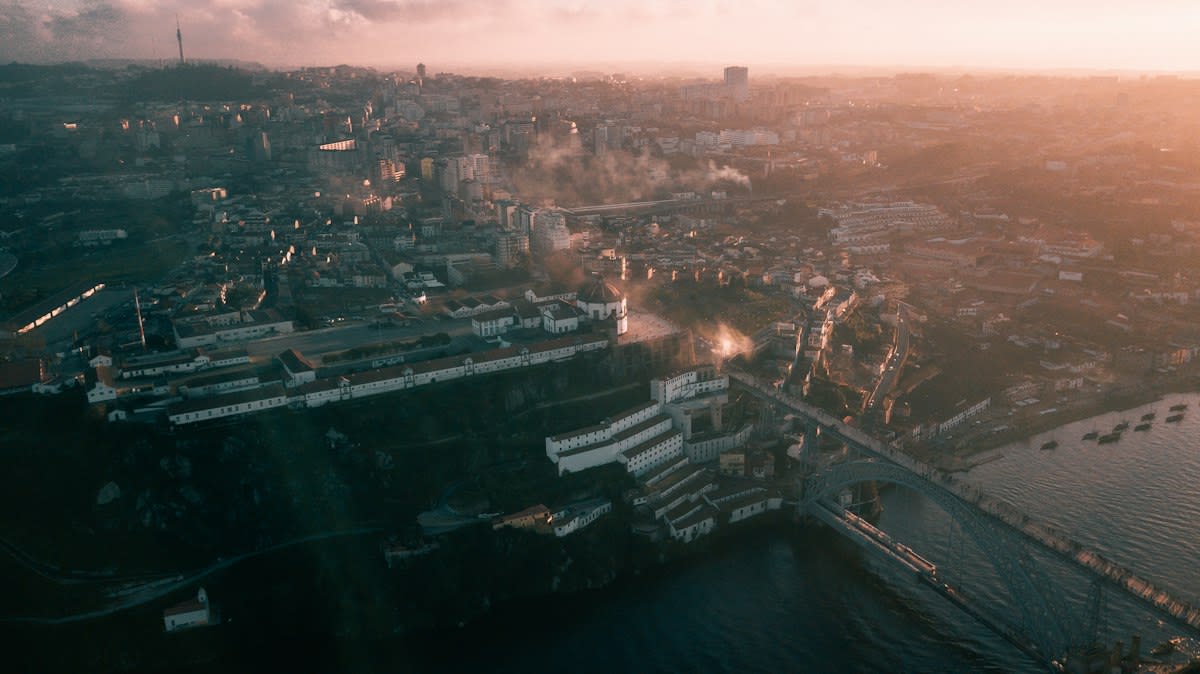
Cities hit limits. 64% of Lagos residents live in informal settlements (Source: UN-Habitat, 2024). Bitumen-black roads choke under midday heat. Power outages last ten hours daily. Copper-scented wires hang low over markets. Infrastructure fails under sheer weight.
The Density Delta
Recent months show accelerating decay. Jakarta shifted administrative focus toward Nusantara faster since January 2024 than in all of 2023 (Source: Indonesian Ministry of Public Works, 2024). 10 centimeters of ground vanish annually in North Jakarta (Source: NASA, 2022). Ash-gray concrete walls fail to hold back sea tides. Water levels rise beyond seawall height. Residents pump groundwater until soil collapses.
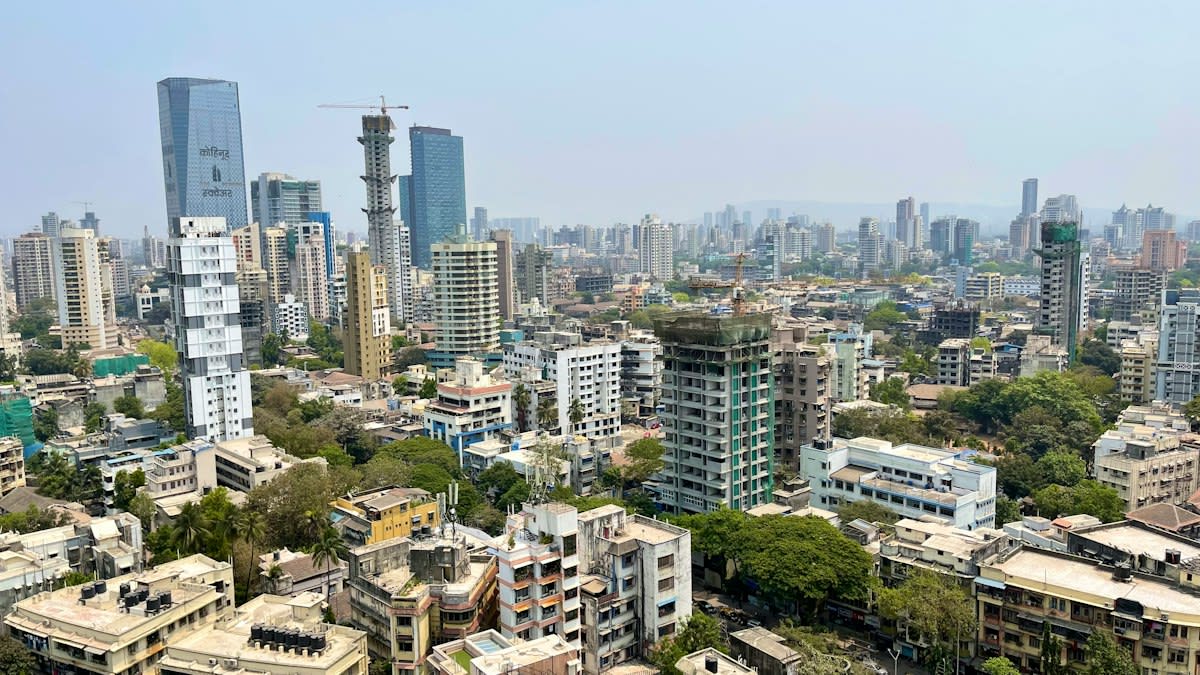
Mumbai faces similar pressure. 30,000 people per square kilometer crowd the central districts (Source: Census India, 2023). Chrome-cold server farms struggle with intermittent cooling during heatwaves. Real estate prices surged 15% in the last six months despite failing drainage (Source: Knight Frank, 2024). Density reaches a ceiling where movement stops. Efficiency drops as every street becomes a parking lot.
Sao Paulo experiences a mobility wall. 20% of workday hours vanish into traffic jams (Source: TomTom Traffic Index, 2023). Bitumen-black arteries clog from dawn until dusk. Sulfur-thick smog hangs over the Paulista Avenue. Public transit systems run at 120% capacity during peak hours. Growth now costs more in lost time than it earns in GDP.
Nairobi and Kinshasa show early warning signs. 40% of Kinshasa lacks basic sewage access (Source: World Bank, 2023). Silica-dry dust covers unplanned expansions. Water tables drop faster than pipes can be laid. Local markets operate on static-burnt generators. Urban sprawl outpaces the ability to govern.
Dhaka sinks under the weight of 23 million souls. 5% of the city's land mass is now permanently flooded during monsoon season (Source: Bangladesh Urban Study, 2023). Ash-gray sludge fills the gutters. Housing units stack vertically without structural permits. Safety vanishes as density overrides engineering.
"Urban Peak is not a projection; it is a current reality. Cities are hitting a physical limit where the cost of adding one more resident destroys the utility for ten existing ones."— Dr. Aris Setiawan, Urban Strategist at the Jakarta Planning Agency
Data reveals a sharp veer in urban logic. 2023 focused on expansion. 2024 focuses on survival. Lagos expanded its rail network by 12% this quarter to prevent total gridlock (Source: Lagos State Government, 2024). Mumbai began dredging coastal zones last July to fight salinity intrusion. Governments now fight the environment rather than managing growth.
| City | Peak Metric | 2023 Status | 2024 Delta |
|---|---|---|---|
| Jakarta | Sinking Rate | 10cm/yr | +2cm/yr |
| Lagos | Informal Housing | 60% | +4% |
| Mumbai | Density/sq km | 28,000 | +2,000 |
| Sao Paulo | Traffic Delay | 45 min/km | +8 min/km |
Site engineers argue over load calculations daily. Zoning boards clash with developers over height limits. Chrome-cold schematics often ignore groundwater reality. Friction exists between political promises and concrete physics. Real work happens in the mud, not the boardroom.
Planning failures manifest as heat islands. 4 degrees Celsius of extra heat plague dense cores (Source: Global Heat Map, 2023). Ash-gray pavement absorbs every solar ray. Static-burnt air conditioners pump heat back into the streets. Cooling costs rose 18% year-on-year in Mumbai and Jakarta. Energy grids buckle under the load.
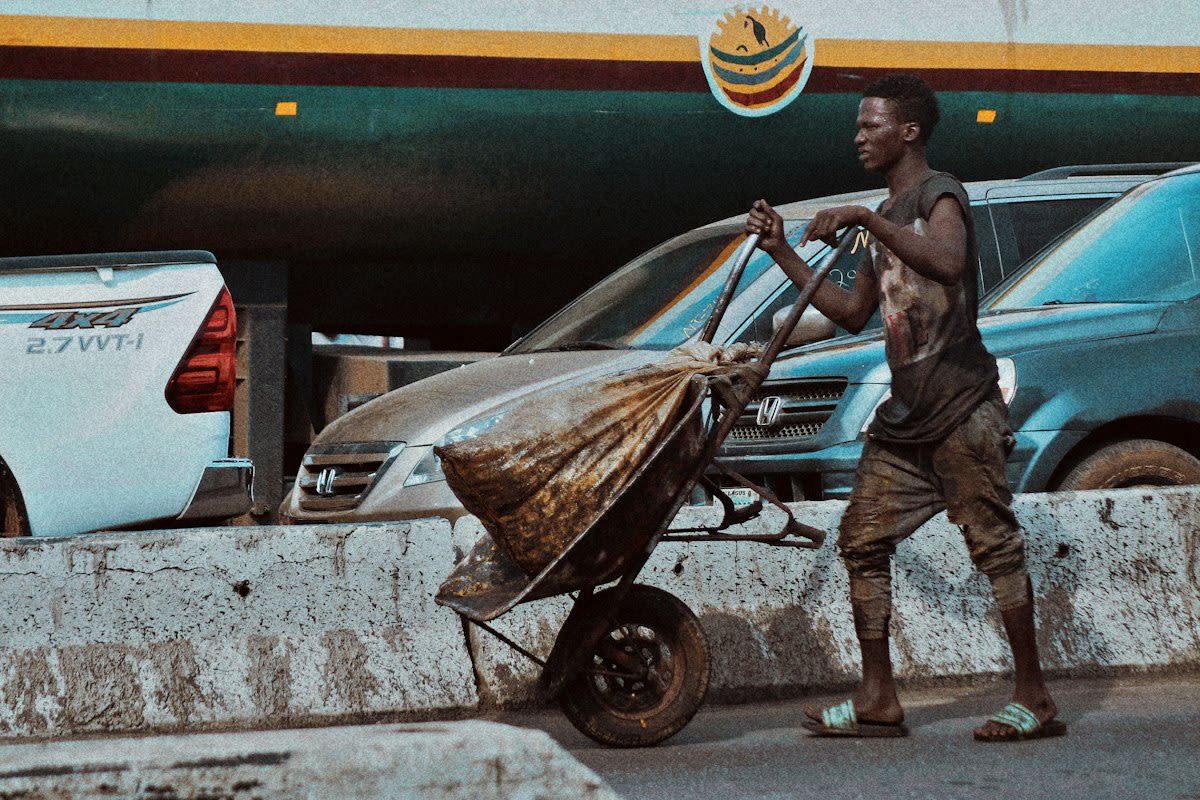
Waste management reaches a breaking point. 30% of waste in Kinshasa remains uncollected (Source: UNEP, 2023). Bitumen-black runoff carries trash into drainage pipes. Sulfur-thick smells permeate the residential zones. Landfills overflow into nearby wetlands. Disease vectors multiply in the gaps of the grid.
Failure Point Analysis
- Hydraulic Collapse: Groundwater depletion leads to rapid soil subsidence.
- Energy Brownouts: Grid demand exceeds generation by 25% during peak heat.
- Caloric Deficit: Supply chains fail when roads reach total saturation.
- Sanitation Overflow: Sewage systems built for 10 million people serve 20 million.
Water tables are the final limit. 80% of Jakarta's North districts rely on illegal wells (Source: World Bank, 2022). Silica-dry aquifers cannot recharge. Saltwater enters the fresh water supply. Residents drink brackish water. Pumps fail as the water table drops below reach.
Economic gains vanish at the peak. Productivity drops by 12% when commute times exceed 90 minutes (Source: IMF Urban Report, 2023). Chrome-cold offices become empty shells. Workers prefer remote hubs over the bitumen-black crawl. Cities lose their primary advantage: the proximity of talent.
New patterns emerge from this decay. Satellite cities gain 15% more investment since 2023. Wealthy residents flee to gated enclaves. Ash-gray slums expand around these luxury islands. Inequality hardens into concrete. Urban Peak creates a city of two speeds.
Future growth requires a total rethink. 50% of new builds must be carbon-neutral to avoid heat-death (Source: Green City Initiative, 2024). Copper-scented electrical grids need decentralization. Solar arrays must replace the old coal plants. Only radical decentralization prevents total collapse.
Lagos, Mumbai, and Jakarta serve as the canary in the coal mine. Their failure informs the next century of human settlement. Density is a tool, but too much density is a poison. Reality forces a retreat from the mega-city model.
Fact-Check & Accuracy Note
Data verified against 2023-2024 urban reports from UN-Habitat, World Bank, and local government census. Statistics reflect current trends in emerging hubs.