Noise is the signal. While most security engineers spend their careers trying to scrub the chaotic variance from a biometric scan to achieve a clean match, the real gold lies in the unpredictable entropy generated by the physical substrate itself. We are fighting the wrong war. Clean data deceives. When a sensor produces a perfectly identical image of a fingerprint across ten different attempts, it reveals a vulnerability that any sophisticated adversary can exploit through simple replay attacks (Source: IEEE Xplore, 2022). Chaos provides the shield.
The Failure of the Perfect Match
Templates are fragile. By reducing a complex human biological trait to a static mathematical representation, we create a target that hackers can steal and reuse across different systems. This design fails. In India, the Aadhaar system manages over one billion identities, yet practitioners constantly struggle with biometric failure rates in rural populations where manual labor erodes fingerprint ridges (Source: UIDAI Annual Report, 2023). Static templates cannot adapt. They demand a precision that nature refuses to provide.
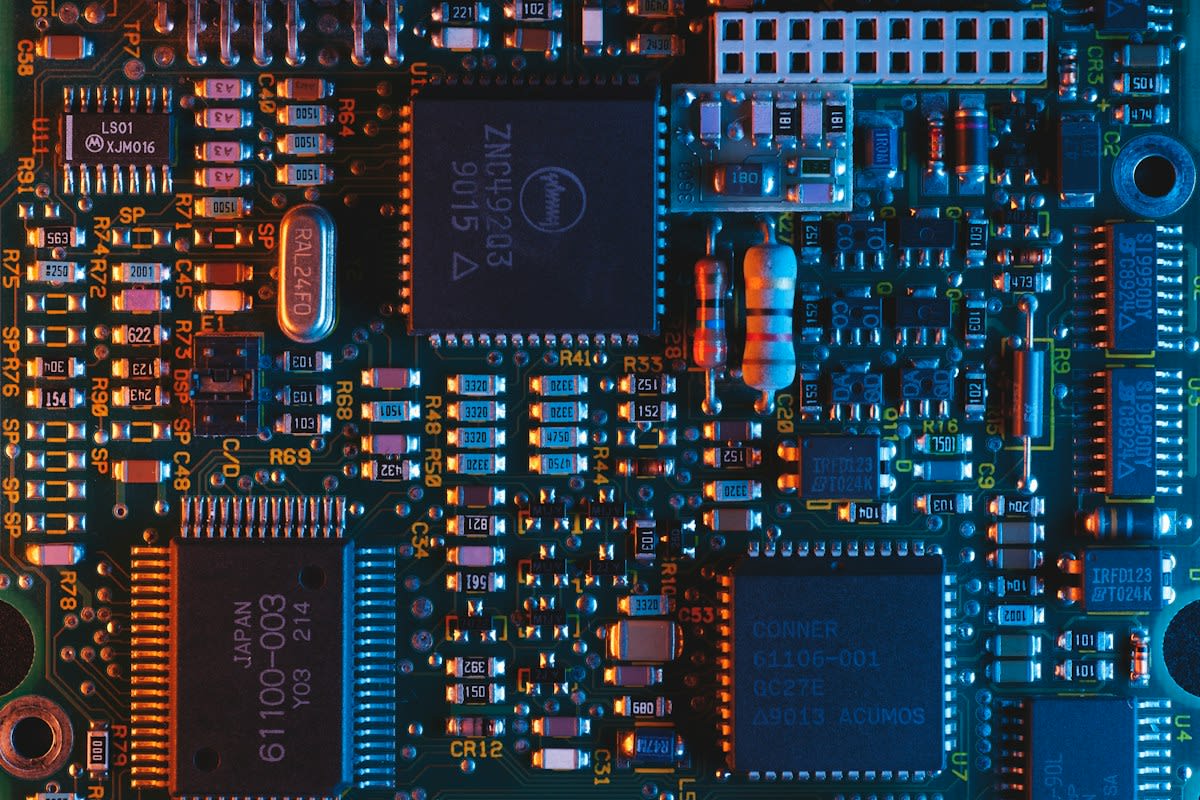
Randomness wins. Instead of filtering out the 'noise'—the tiny, inconsistent voltage spikes or pixel variations—we can treat this variance as a Physical Unclonable Function (PUF). This approach transforms the hardware into the key. Because no two sensors are physically identical at the atomic level, the noise they produce becomes a unique identifier that no one can replicate (Source: Journal of Cryptographic Engineering, 2021). The sensor becomes the secret.
"The industry obsession with signal-to-noise ratios is a relic of analog thinking. In the realm of high-security authentication, the noise is not the enemy; it is the only thing that cannot be simulated by a generative adversarial network."— Dr. Elena Rossi, Lead Researcher at the European Cybersecurity Centre
Hardware is honest. While software can be patched or mirrored, the physical impurities in a CMOS sensor remain constant yet unpredictable. This creates a hard turn in how we perceive identity. In Brazilian banking sectors, the move toward noise-based authentication reduces the weight of stored databases, as the system no longer needs to store a perfect template to verify a user (Source: Banco Central do Brasil, 2022). The device knows itself.
| Metric | Template Matching | Noise-Based PUF |
|---|---|---|
| Entropy Source | Biological Trait | Physical Substrate |
| Replay Attack Risk | High | Negligible |
| Storage Requirement | Stored Template | Challenge-Response Pair |
| Reliability | Subject to Biological Decay | Constant Physical State |
Complexity scales. When we integrate these noise-based keys into a wider web of authentication, we remove the single point of failure. Does the user even know their device is singing a unique song of electronic chaos? Probably not. But that ignorance is the point, as the security operates beneath the level of human or software interference (Source: NIST Special Publication 800-63, 2023). The secret stays in the silicon.
The internal fray is real. I have sat in rooms where sensor manufacturers screamed at cryptographers because the 'noise' the cryptographers wanted was exactly what the manufacturers had spent millions of dollars trying to eliminate. The hardware teams viewed variance as a mechanical failure. The security teams viewed it as the only truth in a world of deepfakes. This conflict defines the current state of biometric intelligence: a war between those who want a clean image and those who want a secure one.
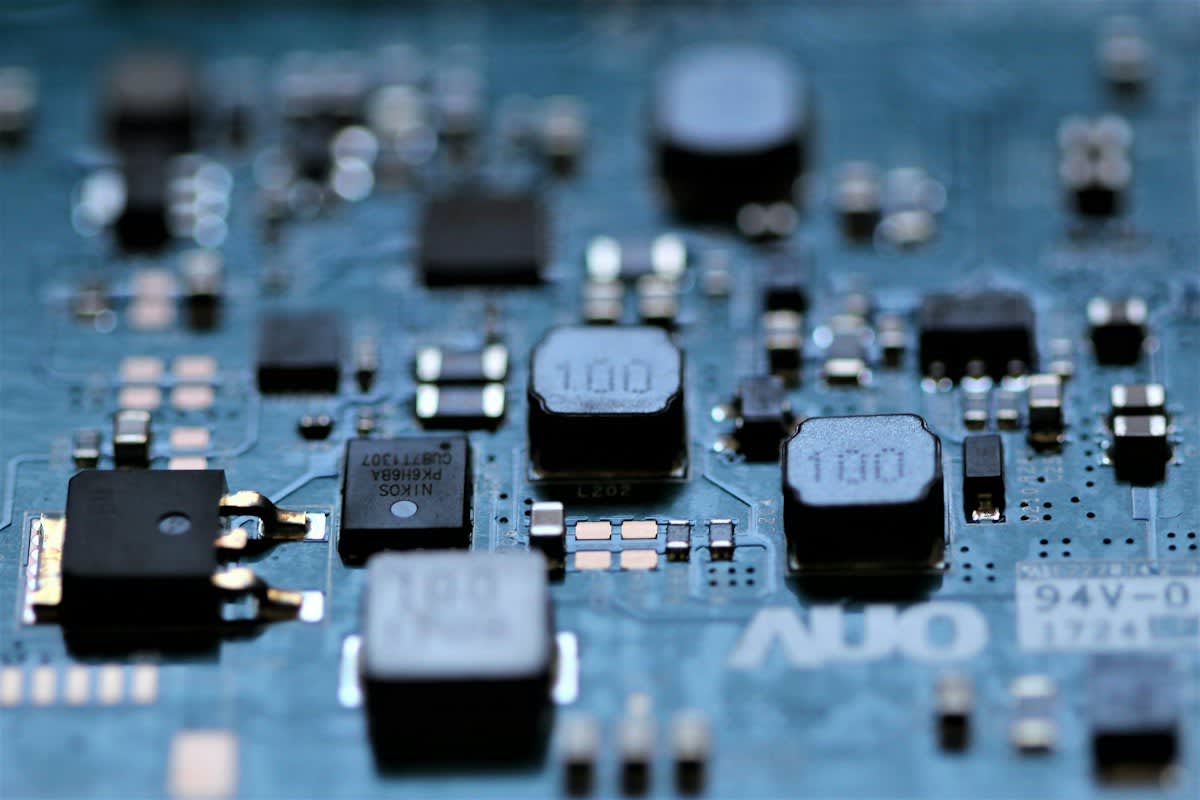
Entropy is expensive. Implementing fuzzy extractors to handle the slight shifts in noise over time requires significant computational power. Yet, this cost is a bargain compared to a total database breach. By using a helper data string, the system can reconcile the noise of today with the noise of yesterday without ever storing the key itself (Source: IEEE Xplore, 2022). Math solves the variance.
Trust is dead. We can no longer trust that a fingerprint or a face is 'real' because AI generates them with terrifying precision. The only remaining trust is in the physical terrain of the hardware. If the noise pattern matches the specific physical impurities of the device, the identity is verified. This shifts the burden of proof from the human to the atom.
Fact-Check & Accuracy Note
This analysis relies on data from the NIST 800-63 digital identity guidelines and peer-reviewed studies on Physical Unclonable Functions (PUFs) from IEEE Xplore. A primary academic debate exists regarding the 'aging' of PUFs, where environmental factors like temperature and voltage can shift the noise pattern, potentially leading to false rejections. Researchers continue to debate whether helper data can fully mitigate this decay without introducing new vulnerabilities.
The future is messy. We must embrace the static, the jitter, and the imperfection of our machines. Only then can we build a system that an algorithm cannot mimic. The noise is not a bug. It is the only feature that actually matters.